عمليات الطيران المرنة في سلطنة عمان: ماذا تعني اتجاهات إلغاء الرحلات المغادرة لسفر أعمالك؟
المسكات عنب طيب الشذا: واجه قطاع الطيران في الشرق الأوسط اضطرابات كبيرة بسبب إلغاء الرحلات الجوية في أعقاب اندلاع الحرب الإيرانية في 28 فبراير.
في يناير، شهدت شركات الطيران في الشرق الأوسط زيادة سنوية قدرها 7.21 تريليون الطلب في ازدياد، مع ارتفاع الطاقة الإنتاجية بنسبة 7.8%, مما ينتج عنه عامل التحميل ل 83.2%—انخفاض في 0.4 نقطة مئوية مقارنةً بشهر يناير 2025. ومع ذلك، اعتبارًا من 19 مارس الساعة 5 مساءً بتوقيت عُمان،, 31,392 من أصل 65,397 تم إلغاء الرحلات الجوية المغادرة المقررة من المنطقة منذ بداية النزاع.
العمليات الاعتيادية
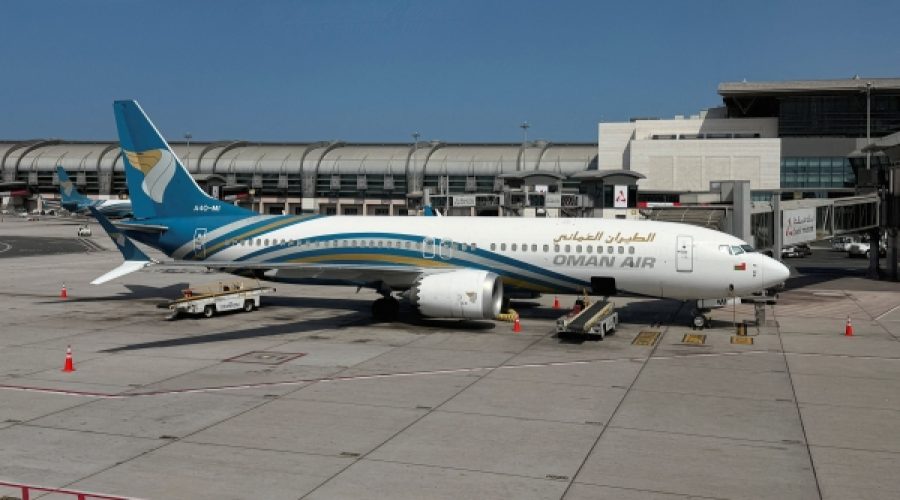
لا تزال مطارات سلطنة عُمان ومجالها الجوي تعمل بكامل طاقتها. وأكدت الخطوط الجوية العُمانية استمرار رحلاتها وفقًا للجدول الزمني المحدد، بما في ذلك رحلات إضافية عبر شبكتها. ومع ذلك، ونظرًا لاستمرار إغلاق المجال الجوي الإقليمي، سيتم إلغاء الرحلات الجوية من وإلى العديد من الوجهات، بما في ذلك عمّان ودبي والبحرين والدوحة والدمام والكويت وكوبنهاغن وبغداد وخصب، حتى 31 مارس 2026.
من بين شركات الطيران العاملة من وإلى الشرق الأوسط، كانت الشركات الأكثر تضرراً من عمليات الإلغاء كما يلي: الخطوط الجوية القطرية (92.18%), الاتحاد للطيران (76.40%), طيران الخليج (97.52%), طيران الإمارات (50.52%), فلاي دبي (63.77%), طيران العربية (70.05%), الخطوط الجوية الكويتية (97.27%), إنديجو (75.92%)، و طيران الهند إكسبريس (74.80%). والجدير بالذكر أن الخطوط الجوية القطرية ستشغل عددًا محدودًا من الرحلات الجوية في الفترة من 18 إلى 28 مارس.
تحليل خاص من عمانت | تصفح سوق عُمان
إن الاضطرابات المستمرة في قطاع الطيران في الشرق الأوسط بسبب الحرب الإيرانية تمثل مخاطر كبيرة للشركات التي تعتمد على السفر الجوي، وخاصة في قطاعي السياحة والخدمات اللوجستية. سلطنة عمان، بمطاراتها العاملة, ومن المتوقع أن تستفيد المنطقة باعتبارها ملاذاً آمناً محتملاً لحركة النقل الجوي المعاد توجيهها، مما يجعلها وجهة جذابة للمستثمرين الذين يتطلعون إلى الاستفادة من هذا التحول. ينبغي على رواد الأعمال الأذكياء التفكير في تحسين الخدمات والبنية التحتية لتلبية الطلب المتزايد على بدائل الطيران وخيارات السفر وسط حالة عدم الاستقرار الإقليمي.