تأثير الحرب الإيرانية على قطاع الطاقة في الشرق الأوسط: ما يحتاج المستثمرون والشركات إلى معرفته حول ارتفاع التكاليف ومخاطر السوق
لندن - أدت الحرب الإيرانية المستمرة إلى اضطراب شديد في التعايش الهشّ بين منتجي الطاقة في الخليج، وهو عامل أساسي في الحفاظ على الاستقرار الإقليمي. ومع دخول الصراع أسبوعه الثالث، تواجه أسواق النفط والغاز الآن علاوة مخاطر مرتفعة بشكل ملحوظ مرتبطة بالشرق الأوسط، ومن المتوقع أن تستمر لسنوات أو حتى عقود.
كشف الصراع عن البنية التحتية الضخمة للطاقة في المنطقة لهجمات مباشرة. استهدفت طهران العديد من منشآت الطاقة في جميع أنحاء الخليج، ضاربةً بذلك شرايين الحياة الاقتصادية لجيرانها والمصالح الغربية، مما يُظهر نطاق عملياتها الذي يتجاوز ساحة المعركة. والأبرز من ذلك، أن إيران أغلقت مضيق هرمز لأول مرة في التاريخ، ما أدى إلى توقف إمدادات النفط والغاز الطبيعي المسال في العالم بنحو 201 تريليون طن. وقد دفع هذا الحصار أسعار النفط الخام إلى ما يزيد عن 1 تريليون طن للبرميل، ما أدى إلى ارتفاع حاد في تكاليف الوقود عالميًا.
يُبرز هذا الاضطراب هشاشة الاقتصاد العالمي أمام عدم الاستقرار في الشرق الأوسط، على الرغم من الحوارات الجارية حول تنويع مصادر الطاقة والتحول إليها. ولا يزال مسار حل النزاع غير واضح؛ إلا أنه في غياب تغيير جذري للنظام في طهران، يُتوقع أن تُخلّف الحرب آثاراً بالغة على مركز الطاقة الحيوي في المنطقة، مُعيدَةً تشكيل طرق التجارة واستراتيجيات الاستثمار وتقييمات المخاطر في المستقبل المنظور.
تأثير دائم على مضيق هرمز
واجهت الولايات المتحدة تحديات في تشكيل تحالف بحري لحماية مرور السفن عبر مضيق هرمز، مما يُبرز التعقيدات السياسية واللوجستية التي ينطوي عليها تأمين هذا الممر المائي الحيوي. وقد أشارت طهران إلى أن ظروف العبور لن تعود إلى وضعها الطبيعي قبل الحرب، مما يوحي بأن حتى وقف إطلاق النار قد لا يُعيد الثقة بسرعة. ونتيجة لذلك، من المرجح أن تظل تدابير الحماية الدولية ضرورية لفترة طويلة بعد انتهاء القتال.
على الرغم من الأضرار التي لحقت بالقدرات العسكرية الإيرانية التقليدية جراء الضربات الإسرائيلية والأمريكية، لا تزال طهران تمتلك القدرة على تعطيل الملاحة التجارية باستخدام أسلحة منخفضة التكلفة كالألغام والطائرات المسيّرة والزوارق السريعة. ومن المتوقع أن يُبقي هذا التهديد أصحاب السفن وشركات التأمين في حالة تأهب، ما سيرفع تكاليف التشغيل وأقساط التأمين حتى بعد إعادة فتح المضيق. وستؤدي بروتوكولات الأمن المعززة وأنظمة القوافل إلى إبطاء حركة الطاقة والبضائع، ما يزيد من تكاليف الخدمات اللوجستية العالمية ويُرهق سلاسل التوريد. ويُعدّ ممر البحر الأحمر مثالاً تحذيرياً: فقد أدت هجمات قوات الحوثيين المدعومة من إيران العام الماضي إلى تعطيل حركة الملاحة، التي لا تزال تعمل بمستوى 601 طن فقط من مستويات ما قبل الحرب بسبب المخاوف الأمنية المستمرة.
تحول إقليمي في استراتيجية الطاقة
تمتد تداعيات الحرب إلى قطاع النفط والغاز في الشرق الأوسط. تاريخياً، تجنب منتجو النفط في الخليج المواجهات العسكرية المباشرة للحفاظ على استقرار صادرات الطاقة رغم التوترات السياسية المستمرة. وقد نجحت منظمة الدول المصدرة للنفط (أوبك) في إدارة الصادرات خلال نزاعات سابقة كحرب الخليج عام 1990 وغزو العراق بقيادة الولايات المتحدة عام 2003.
رغم أن التنافس السعودي الإيراني تجلى عبر صراعات بالوكالة في اليمن وليبيا، إلا أن تدفقات الطاقة ظلت محفوظة عموماً. وكان الاستثناء الأبرز هو هجمات الطائرات المسيرة والصواريخ عام 2019 التي خفضت إنتاج النفط السعودي إلى النصف مؤقتاً، وهي ضربة نسبتها الرياض وحلفاؤها الخليجيون إلى إيران، رغم نفي طهران تورطها فيها، وتبني الحوثيين اليمنيين مسؤوليتهم عنها.
أدت الحرب الحالية إلى اختلال هذا التوازن القائم منذ زمن طويل. ويعيد منتجو الخليج تقييم عملياتهم، مسرعين جهودهم لتقليل الاعتماد على مضيق هرمز. وتُجسّد المملكة العربية السعودية هذا التحول من خلال خط أنابيبها الممتد من الشرق إلى الغرب، والذي شُيّد قبل عقود لتجاوز مضيق هرمز خلال الحرب العراقية الإيرانية، والذي يسمح الآن للرياض بتصدير كميات كبيرة من النفط الخام عبر ميناء ينبع على البحر الأحمر. ومن المتوقع أن تصل شحنات النفط الخام السعودي في ينبع إلى مستويات قياسية هذا الشهر، وهو اتجاه من المرجح أن يستمر ويُغيّر تدفقات التجارة الإقليمية بشكل دائم.
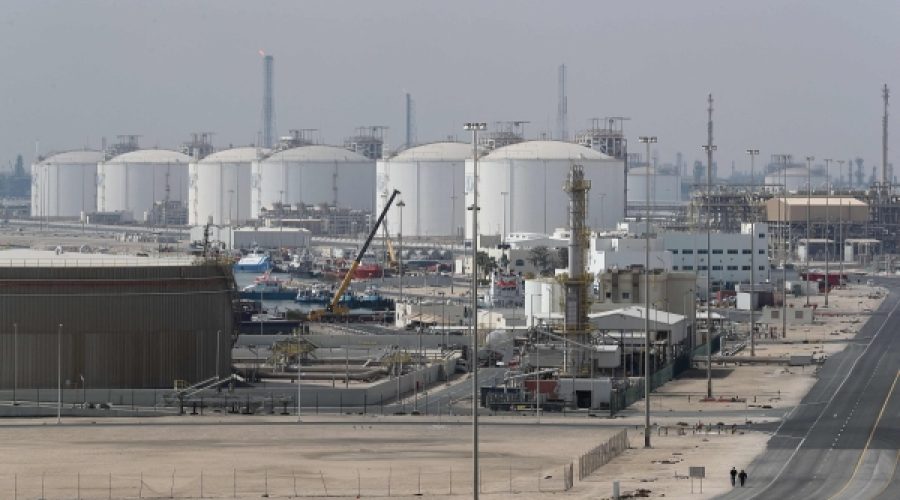
من المتوقع أن تنوّع دول خليجية أخرى منتجة للطاقة مسارات تصديرها. قد يسعى العراق إلى تعزيز قدرة خطوط الأنابيب شمالاً عبر تركيا، بينما قد تزيد الإمارات العربية المتحدة إنتاجها عبر ميناء الفجيرة النفطي خارج المضيق. ورغم تكلفتها الباهظة وحساسيتها السياسية، فإن هذه المشاريع تُبرز أهمية الحفاظ على أمن الطاقة. وتواجه قطر وضعاً بالغ الصعوبة، إذ أوقفت إنتاج الغاز الطبيعي المسال وأعلنت حالة القوة القاهرة بعد وقت قصير من بدء الحرب، ومع عدم وجود مسارات تصدير بديلة، تبقى عرضة بشدة للاضطرابات المستمرة.
الآثار العالمية الأوسع
من المتوقع أن يلجأ مستوردو الطاقة حول العالم إلى استيراد الإمدادات من مناطق أبعد، على الرغم من ارتفاع تكاليف النقل وعدم كفاءة العمليات اللوجستية. وتُعدّ الاستراتيجيات التي تُركّز على التخزين الاستراتيجي والتنويع والاحتياط - والتي كانت تُعتبر مكلفة في السابق - بالغة الأهمية الآن. وستؤدي هذه التعديلات حتماً إلى ارتفاع أسعار الطاقة للمستهلكين على مستوى العالم.
بغض النظر عن كيفية انتهاء الحرب الإيرانية، فقد تركت آثارها السريعة والشديدة على شريان حيوي لتجارة الطاقة العالمية انطباعاً دائماً. وأصبحت علاوة المخاطرة التي كانت نظرية في السابق بشأن إمدادات الطاقة من الشرق الأوسط حقيقة لا يمكن إنكارها، وستستمر في التأثير على أسعار النفط والغاز إلى أجل غير مسمى.
(التحليلات والآراء الواردة هنا هي آراء رون بوسو، كاتب عمود في وكالة رويترز.)
تحليل خاص من عمانت | تصفح سوق عُمان
أدى تصاعد الحرب مع إيران إلى زيادة التوتر علاوة المخاطر المستمرة في الشرق الأوسط إلى أسواق الطاقة العالمية، مما أجبر منتجي الخليج، بما في ذلك سلطنة عمان، على تسريع تنويع طرق التصدير ما وراء مضيق هرمز لضمان استمرارية الإمداد. بالنسبة للشركات والمستثمرين في سلطنة عمان، يشير هذا إلى حاجة ملحة إلى التركيز على مرونة البنية التحتية للطاقة والشراكات الاستراتيجية مع الاستفادة من تحولات التدفقات التجارية وارتفاع أسعار الطاقة، ينبغي على رواد الأعمال الأذكياء استكشاف الفرص في مجالات الخدمات اللوجستية، والحلول الأمنية، والاستثمارات في الطاقة البديلة للتغلب على التقلبات الإقليمية المتزايدة.