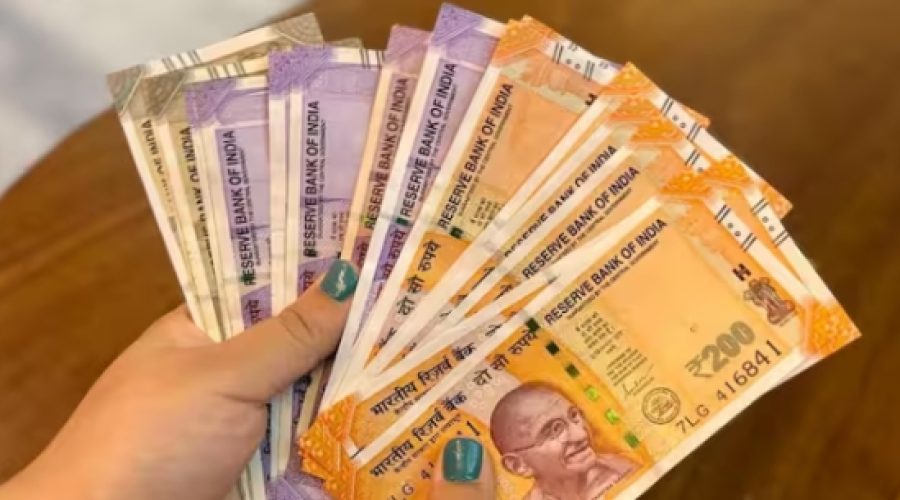
تراجعت قيمة الروبية الهندية إلى 0.241 روبية عمانية مقابل الريال العماني: ما الذي يعنيه هذا التراجع في قيمة العملة للمستثمرين والشركات في سلطنة عمان؟
انخفضت قيمة الروبية الهندية إلى 93.73 مقابل الدولار الأمريكي يوم الجمعة، مسجلة بذلك أكبر انخفاض لها في يوم واحد منذ أكثر من أربع سنوات بسبب المخاوف بشأن اضطرابات إمدادات الطاقة العالمية.
بالنسبة للمغتربين الهنود في سلطنة عُمان، ظلت العديد من مكاتب الصرافة والبنوك مغلقة بسبب عطلة عيد الفطر وعطلة نهاية الأسبوع. ومع ذلك، قدمت المنصات الإلكترونية، بما في ذلك بعض تطبيقات الخدمات المصرفية المحلية، أسعار صرف تبدأ من 241.42 ريالاً عُمانياً فما فوق.
حذّر المحامي ر. مادوسودانان، الخبير المالي المقيم في عُمان، من أنه في حال استمرار النزاع القائم، قد يواجه الروبية ضغطاً متواصلاً، ما قد يؤدي إلى انخفاض قيمته إلى حوالي 245 روبية مقابل الريال العُماني. وحتى مع عودة الاستقرار، يبدو من غير المرجح أن يتعافى الروبية إلى مستويات قريبة من 230 روبية في المدى القريب.
سجلت الروبية الهندية أدنى مستوى لها على الإطلاق عند 93.76 مقابل الدولار الأمريكي قبل أن تستقر عند 93.73، مقارنةً بـ 92.63 في الجلسة السابقة. ويعزى هذا الانخفاض الحاد إلى حد كبير إلى ارتفاع أسعار النفط الخام، وتصاعد التوترات في مضيق هرمز، وسحب المستثمرين الأجانب لجزء كبير من استثماراتهم من سوق الأسهم الهندية.
انخفضت العملة بأكثر من 11 نقطة إلى 93.73، متجاوزةً بذلك أدنى مستوى قياسي سابق لها عند 92.63 الذي سُجّل يوم الأربعاء. وأغلقت العملة الأسبوع عند 93.71، مسجلةً خسارة أسبوعية بلغت حوالي 1.31 نقطة، وهي الأكبر منذ أواخر عام 2022، وفقًا لرويترز.
أشار مادوسودانان إلى أن الروبية تتعرض لضغوط مستمرة في الأشهر الأخيرة، ويعود ذلك جزئياً إلى التأخير في إبرام اتفاقية تجارية مع الولايات المتحدة. وقد انخفضت قيمة الروبية خلال العام الماضي بأكثر من 71 نقطة مئوية، مما يجعلها من أسوأ العملات أداءً في فئتها.
“وأشار إلى أن "الهند، بصفتها مستورداً رئيسياً للنفط الخام، معرضة بشكل خاص لارتفاع أسعار الطاقة". وقد ارتفعت أسعار النفط الخام من حوالي 1.73 تريليون روبية هندية للبرميل في فبراير 2026 إلى 1.07 تريليون روبية هندية في مارس، وهي زيادة من المتوقع أن تزيد من عجز الحساب الجاري للهند. ونظراً لوجود فواتير استيراد ضخمة تشمل النفط ومعدات الدفاع والذهب والإلكترونيات، فإن أي انخفاض في قيمة الروبية سيكون له تداعيات بعيدة المدى على ميزان المدفوعات في البلاد.
من المرجح أن تؤدي اضطرابات سلسلة التوريد، إلى جانب ارتفاع تكاليف الشحن وأقساط التأمين، إلى زيادة أسعار الوقود، مما يزيد من الضغوط التضخمية في جميع أنحاء الاقتصاد.
بالنسبة للهنود غير المقيمين، قد يكون انخفاض قيمة الروبية مفيدًا، إذ تتحول أرباحهم من الخارج إلى قيمة أعلى بالروبية. مع ذلك، يبقى التأثير الإجمالي متفاوتًا: سيواجه الطلاب الهنود في الخارج نفقات متزايدة، وكذلك الحال بالنسبة لمن يسعون للعلاج الطبي أو السفر إلى الخارج. كما سيواجه المقترضون الحاصلون على قروض بالعملات الأجنبية تكاليف سداد أعلى.
على المدى المتوسط إلى الطويل، تتمتع الهند بإمكانات قوية كوجهة جاذبة للاستثمار الأجنبي، مما قد يُسهم في استقرار العملة. ومع ذلك، يُعدّ تقليل الاعتماد على الطاقة المستوردة أمرًا بالغ الأهمية. كما أن تسريع التحول إلى مصادر الطاقة المتجددة ضروري لتحقيق مرونة طويلة الأمد ومعالجة مواطن الضعف الهيكلية أمام الصدمات الخارجية.
في غضون ذلك، ارتفع الدولار الأمريكي ارتفاعاً طفيفاً يوم الجمعة، لكنه لا يزال متجهاً نحو انخفاض أسبوعي. وقد أدت أسعار الطاقة المرتفعة إلى تغيير التوقعات بشأن أسعار الفائدة العالمية، مما يجعل مجلس الاحتياطي الفيدرالي الأمريكي البنك المركزي الرئيسي الوحيد الذي لا يُتوقع أن يرفع أسعار الفائدة هذا العام.
— Omanet.om
تحليل خاص من عمانت | تصفح سوق عُمان
يشكل الانخفاض الحاد في قيمة الروبية الهندية، والناجم عن ارتفاع أسعار النفط الخام والتوترات الجيوسياسية قرب مضيق هرمز، تحدياً كبيراً. مخاطر العملة للشركات في سلطنة عمان التي تعتمد على التجارة أو التحويلات المالية من الهند. ينبغي على المستثمرين الأذكياء مراقبة تقلبات سوق الطاقة والنظر في تنويع محافظهم الاستثمارية أو التحوط من مخاطر العملات., بينما يمكن لرواد الأعمال استكشاف الفرص في حلول الطاقة المتجددة والتكنولوجيا المالية لتحويلات المغتربين للتخفيف من تأثير تقلبات العملة.