خطط توسع شركة سلام للطيران وأسعارها المنخفضة: كيف تتوافق مع رؤية عُمان 2040 وتؤثر على أعمالك
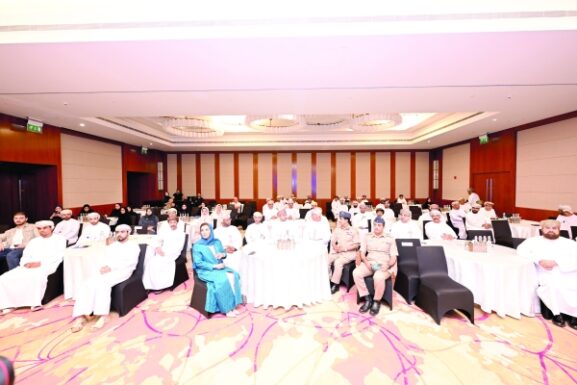
مسقط: تستعد شركة سلام للطيران لتعزيز شبكتها والحفاظ على أسعار تنافسية كجزء من التزامها الاستراتيجي برؤية عمان 2040. وتهدف هذه المبادرة إلى دعم السياحة الوافدة، وفقًا لما ذكره الرئيس التنفيذي أدريان هاميلتون مانز.
يأتي توسع شركة الطيران في أعقاب تأكيد الحكومة مؤخراً على استحواذ شركة سلام إير، وهي خطوة استراتيجية تهدف إلى تعزيز الربط الجوي ودعم قطاع الطيران في سلطنة عمان.
قبل عملية الاستحواذ، وصف هاميلتون-مانز هذا التطور بأنه إنجاز هام، يعود بالنفع على كل من شركة سلام إير والناقل الوطني، طيران عُمان. وأوضح أن هذا يسمح لكل شركة بالتركيز على قطاعات السوق الأساسية الخاصة بها.
“"تبقى أولويتنا هي أن نكون شركة طيران منخفضة التكلفة"، صرحت هاميلتون-مانز. "سنواصل التركيز على تقديم أقل الأسعار الممكنة مع ضمان الكفاءة في عملياتنا".”
ولدعم أهداف السياحة في إطار رؤية 2040، تخطط شركة سلام إير لزيادة عدد الرحلات الجوية والتوسع إلى وجهات جديدة، مما يوفر اتصالاً محسناً بأسعار معقولة.
توسيع الشبكة والأسواق الجديدة
تسعى شركة سلام للطيران بنشاط إلى تطوير نماذج رحلات مباشرة ورحلات ربط بناءً على طلب السوق. وتُسيّر الشركة رحلات تربط آسيا والشرق الأوسط وأفريقيا، مع وجود بعض الوجهات التي تتطلب خيارات ترانزيت.
أكد هاميلتون-مانز على أهمية أفريقيا كسوق نمو محوري، مشيراً إلى خطوط جوية إلى مقديشو وبورتسودان ونيروبي، مع خطط إضافية للتوسع على طول الساحل الشرقي لأفريقيا، بما في ذلك مومباسا. كما أعرب عن نيته استئناف الرحلات الجوية إلى الخرطوم عندما تسمح الظروف بذلك.
وعلى الصعيد الإقليمي، تستكشف شركة سلام إير مسارات إضافية داخل المملكة العربية السعودية وآسيا الوسطى وبلاد الشام، بالإضافة إلى توسعات محتملة إلى مدن ثانوية في تركيا.
في أوروبا، لاحظت شركة الطيران طلباً قوياً من النمسا، حيث تُسيّر حالياً ثلاث رحلات أسبوعياً إلى فيينا، وتخطط لزيادة هذا العدد إلى رحلات يومية. كما يجري استكشاف فرص في أوروبا الشرقية، بما في ذلك المجر وبولندا.
علاوة على ذلك، من المقرر أن تطلق شركة سلام إير رحلات جوية إلى ميدان بإندونيسيا ابتداءً من شهر يوليو، مما يمثل دخولها إلى سوق جديدة تتماشى مع استراتيجية التوسع "المحيط الأزرق".
نمو الأسطول والتحديات التشغيلية
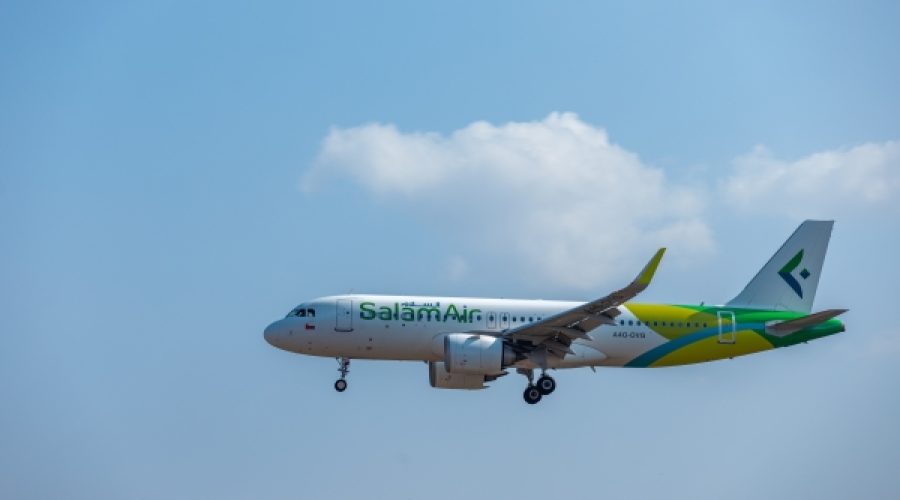
تشغل شركة سلام إير حاليًا أسطولًا مكونًا من 15 طائرة من عائلة إيرباص A320 وتتوقع إضافة ثلاث طائرات أخرى بحلول نهاية العام، مع خطط لتسليمها في أبريل ومايو وسبتمبر.
على الرغم من طموحاتها التوسعية، تواجه شركة الطيران تحدياتٍ على مستوى القطاع، لا سيما ما يتعلق بصيانة المحركات وتأخيرات سلسلة التوريد. وأشار هاميلتون-مانز إلى أن توقف الطائرات عن العمل لإصلاح المحركات لا يزال يشكل مصدر قلق تشغيلي كبير، حيث تصل تكاليف الإصلاح إلى 148 مليون جنيه إسترليني. ومع ذلك، لا يزال متفائلاً بأن الحلول التقنية الجارية ستخفف هذه الضغوط بحلول نهاية العام.
طلب قوي وفرص سوقية واعدة
يُظهر السوق الهندي إمكانات نمو كبيرة، مع فرص للتوسع في مدن إضافية مثل تريفاندروم وكوتشي وبوبال. وقد وصفت شركة هاميلتون-مانز الهند بأنها سوق غير مستغلة إلى حد كبير، تتميز باقتصاد قوي وطلب سياحي مرتفع.
أعلنت شركة الطيران عن معدل أداء مثير للإعجاب في الالتزام بالمواعيد بلغ 93% في عام 2025، على الرغم من أن الظروف الجوية الموسمية في جنوب آسيا لا تزال تشكل تحديات تشغيلية.
خدمة العملاء والتحول الرقمي
وفي معرض حديثه عن خدمة العملاء، أقرت هاميلتون-مانز بالتحديات الحالية المتعلقة برد الأموال وتأخيرات الخدمة، مؤكدة على الجهود المستمرة لتبسيط العمليات وتعزيز الأتمتة.
وأكد على التحول نحو حلول خدمة العملاء الرقمية، بما في ذلك روبوتات الدردشة ودعم واتساب، كبديل فعال من حيث التكلفة لمراكز الاتصال التقليدية. وقال: "تُعد خدمة العملاء أولوية قصوى بالنسبة لنا. ونحن نستثمر في تحسين الأنظمة لتعزيز تجربة المسافرين رقميًا وفي المطارات".
نقلت شركة سلام إير ما يقرب من أربعة ملايين مسافر، مع نسبة صغيرة منهم طلبت استرداد الأموال، مما يؤكد الطلب التشغيلي على أنظمتها.
لا تزال شركة الطيران ملتزمة بالنمو والكفاءة والقدرة على تحمل التكاليف، وتسعى إلى ترسيخ مكانتها كمساهم رئيسي في طموحات عُمان السياحية وأهدافها الأوسع نطاقاً في مجال التنويع الاقتصادي.
تحليل خاص من عمانت | تصفح سوق عُمان
يؤكد توسيع شبكة خطوط سلام إير التزامها القوي بـ تعزيز السياحة الوافدة مع تعزيز الاتصال، بما يتماشى مع رؤية عُمان 2040. وهذا يخلق فرص للشركات في قطاعي السياحة والضيافة، حيث أن زيادة حركة النقل الجوي قد تؤدي إلى زيادة إنفاق الزوار. المستثمرون الأذكياء ينبغي النظر في الاستفادة من هذا النمو من خلال الاستثمار في مشاريع متعلقة بالسياحة، مع مراعاة ما يلي: التحديات التشغيلية تواجه شركة سلام إير تحديات مثل اضطرابات سلسلة التوريد.