Fast Food Spending Surges: What This Means for Investors and Entrepreneurs in the Food Industry
Consumers have continued to purchase chicken nuggets, tacos, and coffee from major restaurant chains despite concerns that rising gas prices due to the ongoing conflict with Iran would reduce dining out.
Since the Mideast conflict began over two months ago, investors and analysts have worried that consumers, particularly lower-income families, might cut back on restaurant spending. In March, the average price of a gallon of regular unleaded gasoline increased by 35%, according to the AAA auto club.
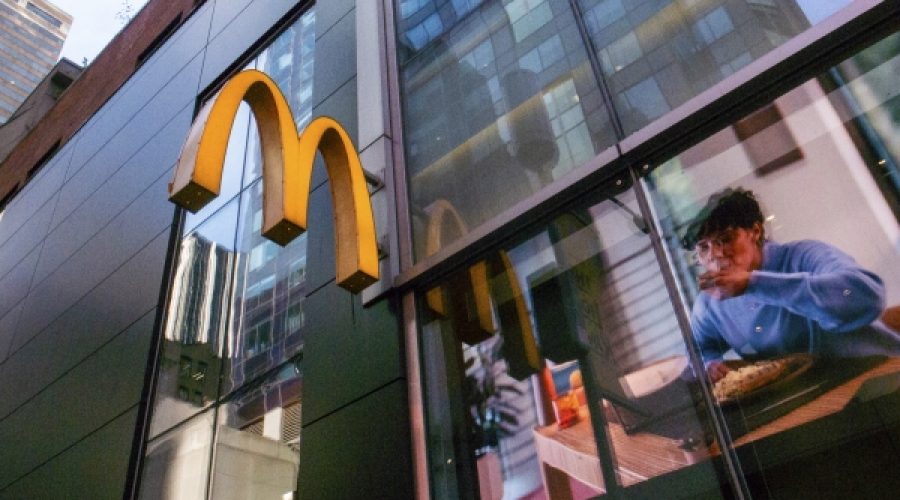
However, recent reports from leading chains such as McDonald’s, Burger King, Taco Bell, and Starbucks indicate strong sales in the first quarter, suggesting that higher fuel costs have not yet caused consumers to significantly reduce their restaurant expenditures.
McDonald’s, like its peers, has relied heavily on value meals to attract customers. In April, the company introduced a new menu featuring items priced under $3, along with a $4 breakfast deal to enhance its value offerings.
Some analysts caution, though, that the first-quarter results reflect only one month with increased fuel prices and may not fully capture the budget pressures consumers face as the conflict persists and gas prices climb further. As of Thursday, the national average for gasoline was $4.56 per gallon, according to AAA.
Darren Tristano, CEO of Chicago-based research firm Foodservice Results, noted, “Gas prices will affect the fast-food core consumer by reducing their disposable income. It just takes some time to trickle down. We’ll see more of that impact by the end of May than we have in the last couple of months.”
Some signs of consumer pullback have already emerged. Domino’s Pizza reported a modest 0.9% increase in same-store sales for U.S. locations open at least a year, falling short of analysts’ expectations. Domino’s CEO Russell Weiner attributed this slowdown to “growing consumer uncertainty” and noted that “consumer sentiment hit COVID-level lows” amid ongoing inflation.
Executives at Brinker International, owner of Chili’s Grill & Bar—which has enjoyed 20 consecutive quarters of same-store sales growth—observed that some customers are curbing purchases of alcohol and desserts.
At McDonald’s, executives acknowledged that while value deals continue to draw consumers despite rising fuel costs, the outlook for future spending remains uncertain due to the war. CEO Chris Kempczinski said, “The macro environment and consumer sentiment… aren’t improving and may be getting a little bit worse. How that plays out is an open question.”
The relationship between gas prices and dining habits is debated among analysts. Restaurant data firm Black Box Intelligence found that when gas prices exceed $3.50 per gallon, consumers tend to reduce spending and shift from sit-down restaurants to fast-casual and fast-food options.
Conversely, Peter Saleh, an analyst at investment bank BTIG, stated that in his 20 years covering the industry, he has seen limited correlation between gas prices and restaurant traffic. He suggested that gas price increases might cause short-term spending pullbacks but emphasized a growing divide in how different income groups behave.
Chains catering to higher-income customers, like Starbucks, posted strong first-quarter sales. Meanwhile, those that serve more lower-income patrons saw mixed results, reflecting cautious spending among this demographic.
Fast-food chains are competing for lower-income consumers by expanding value and snack options. Taco Bell, part of Yum! Brands, reported its eighth consecutive quarter of same-store sales growth, driven by menu items priced at $3 or less. McDonald’s also enhanced its value offerings in April with new items under $3 and a $4 breakfast deal.
Despite strong sales, many chains warned that continued fuel price increases and rising beef costs could squeeze profits and dampen consumer spending, especially among lower-income groups. Shake Shack’s shares fell 30% in early trading after the company reported a quarterly loss of $290,000, despite a 4.6% rise in same-store sales. The loss was attributed to higher beef prices and technology investments, compared to a $4.2 million profit a year earlier.
Over recent earnings calls, several chains signaled that elevated fuel prices linked to the Iran conflict could drive inflationary pressures for both restaurants and consumers later this year. McDonald’s CFO Ian Borden said, “There’s potentially inflation on the way toward the end of this year and into the beginning of next year.” He projected inflation for restaurant food and paper products to be in the “low- to single-digit range” and noted that McDonald’s has mitigated some cost increases through hedging.
ظهر هذا التقرير أصلا في صحيفة نيويورك تايمز.
تحليل خاص من عمانت | تصفح سوق عُمان
Despite rising fuel prices due to the conflict in the Middle East, major restaurant chains have reported resilient consumer spending, largely driven by value meal offerings. For businesses in Oman, this signals an opportunity to capitalize on consumer demand for affordable dining options amid inflationary pressures. However, the risk of squeezed profits and cautious spending, especially among lower-income groups, means entrepreneurs and investors should focus on value-driven, cost-efficient models and closely monitor fuel and supply cost trends for long-term sustainability.