New Regulatory Framework for Carbon Markets: Key Opportunities for Investors in Oman’s Net Zero Strategy
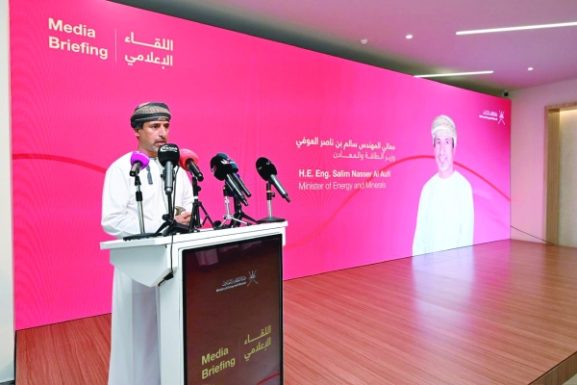
Muscat: Eng. Mohsin Sulaiman al Jabri, Director General of the Oman Net Zero Centre, announced the release of the updated National Net Zero Strategy, a comprehensive and systematic roadmap aimed at reducing national emissions. The strategy was developed through an extensive collaborative process involving over 300 experts and specialists from government and private sectors, participating in 14 specialized workshops.
The updated strategy was constructed in three integrated phases. The first phase assessed the business-as-usual emissions pathway, projecting sectoral emissions growth through 2050 with coordination from stakeholders. This phase established a robust, science-based foundation for emissions accounting using a bottom-up methodology. It found that total greenhouse gas emissions reached approximately 94 million tonnes of carbon dioxide equivalent in 2024 and are projected to increase to 127 million tonnes by 2050 without intervention. The oil and gas, transport, and electricity sectors remain the largest contributors, accounting for nearly 70% of total national emissions.
The second phase developed an emissions reduction roadmap using the Marginal Abatement Cost Curve methodology, categorizing technological solutions into three levels:
– Level One: Low-cost technologies such as renewable energy, energy efficiency, and public transportation.
– Level Two: Medium-cost solutions including carbon capture technologies and hydrogen use.
– Level Three: Ambitious technologies like full electrification and hydrogen-powered vehicles.
The selected pathway aligns with Oman’s financial and economic context, and is expected to support GDP growth, create jobs in energy, transport, and green industries, and enhance national competitiveness amid evolving international trade requirements, notably the Carbon Border Adjustment Mechanism (CBAM).
The strategy aims for a 33% reduction in emissions relative to the 2024 baseline, comprising a 7% mandatory and 26% voluntary target contingent on securing financing, technology, and capacity-building. The ultimate goal is to achieve net zero emissions by 2050.
The third phase identified key enablers for implementation, including legislative, regulatory, and financial mechanisms. The Council of Ministers’ approval of a regulatory framework for carbon markets stands as a critical enabler, expected to attract necessary technologies and financing for emissions reduction projects while boosting Oman’s role in regional and global carbon markets.
This is further supported by the launch of the National Carbon Registry through the “Meezan” platform, which offers advanced digital infrastructure for tracking, issuing, transferring, and trading carbon credits with high transparency and international compliance, ensuring no double counting.
The carbon market is designed to establish a transparent national system for registering carbon projects and licensing credits per international standards, transform emissions reduction into tradable credits, attract international investment across seven key sectors, and position Oman as a trusted provider of high-integrity carbon credits.
Additionally, the market is anticipated to generate opportunities for SMEs and create specialized jobs in verification, certification, consultancy, clean technologies, legal, and financial services.
This integrated framework highlights Oman’s firm commitment to sustainability, emphasizing governance, transparency, and alignment with international standards to support sustainable development goals and the objectives of Oman Vision 2040.
تحليل خاص من عمانت | تصفح سوق عُمان
Oman’s updated National Net Zero Strategy presents a strategic opportunity for businesses and investors to align with global sustainability trends while driving economic growth through green technologies and carbon markets. The introduction of a robust regulatory framework and the Meezan carbon registry creates new avenues for investment, SME growth, and specialized job creation, positioning Oman as a competitive player in international carbon trading. Smart investors should focus on renewable energy, carbon capture, and green transport sectors to capitalize on early adoption and policy incentives supporting the transition to net zero by 2050.