Oman’s Renewable Energy Surge: What a 10% Target Means for Investors and Business Growth by Year-End
The Ministry of Energy and Minerals is actively advancing the energy and minerals sectors, focusing on the optimal use of natural resources to support the clean energy industry and attract future investments.
In line with its commitment to achieving net-zero emissions, the Ministry has launched several key initiatives aimed at reducing emissions and improving energy efficiency. Notably, the Oman Net-Neutral Centre was established at the end of 2024, alongside the National Energy Efficiency Program, "Kafa’a." This program, developed in collaboration with the Ministry of Labour and Sultan Qaboos University, is designed to cultivate Omani expertise in energy auditing.
The "Kafa’a" program targets enhanced energy efficiency across multiple sectors by creating policies and standards, improving the performance of appliances and buildings, and encouraging optimal energy use in industrial, commercial, and residential areas. It also seeks to elevate public awareness regarding energy conservation, supporting the country’s goal of net-zero emissions by 2050.
A major breakthrough in the sector has been the complete digitization of operations via the "Taqah" platform, which aims to boost operational efficiency, increase transparency, and strengthen the investment climate.
Eng. Hamoud bin Hamad Al Sawafi, Director General of Renewable Energy and Hydrogen, highlighted ongoing efforts that include reviewing the electricity market structure in collaboration with relevant authorities and activating a national energy model. This model will assess the impact of various factors on the sector, facilitating more effective technical and financial decision-making.
Plans are underway to implement the recommendations of Oman’s Energy Transition Strategy following its adoption, alongside the Integrated Energy Strategy recommendations. Awareness campaigns promoting a culture of energy transition are also planned, including the launch of the "Rashid" Energy Efficiency Award during Sustainability Week 2026. Additionally, efforts will focus on developing mechanisms to meet the electricity demands of the industrial sector.
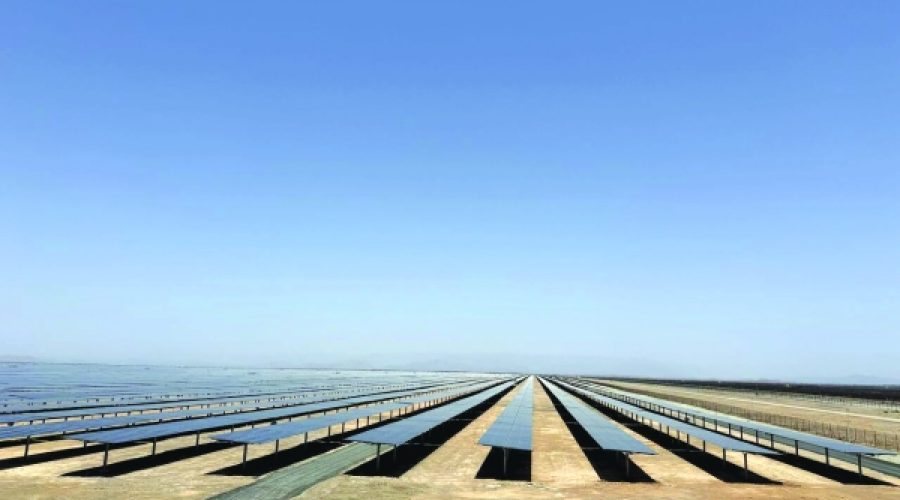
In the renewable energy domain, Oman aims to increase renewable energy’s share to at least 10% of total energy production by the end of 2026. This goal includes finalizing and launching the National Renewable Energy Database platform and preparing new sites for renewable energy projects. The Ministry also plans to develop a renewable energy certification system and issue a tender for supplying the Hallaniyat Islands with clean energy through an integrated system combining renewable sources and battery storage to reduce dependence on conventional fuels.
The Sultanate has made remarkable progress in green hydrogen, with investments exceeding $44 billion from the first two auction rounds. Renewable energy projects linked to these investments are expected to reach a capacity of 26.6 gigawatts by 2030, targeting the production of one million tons of green hydrogen annually by that year.
Current initiatives prioritize accelerating project development by finalizing the "Unified Permit" system to streamline procedures and implementing a trade corridor agreement for liquefied hydrogen between Oman and the Netherlands. This will enhance Oman’s role in the global clean energy market.
The Ministry is also preparing to launch an investor’s guide for the green hydrogen sector, providing a comprehensive overview of the investment landscape. Additionally, the second phase of a study on hydrogen storage in natural earth reservoirs is underway, further supporting the clean energy sector and future investments.
In summary, the Sultanate is committed to boosting renewable energy and green hydrogen sectors as part of its broad strategy to achieve sustainability and energy efficiency goals by 2050.
تحليل خاص من عمانت | تصفح سوق عُمان
الدفع الاستراتيجي لسلطنة عمان نحو clean energy and energy efficiency underscores a transformative shift, creating significant opportunities for investment in renewable energy, green hydrogen, and digital innovation platforms like "Taqah." Businesses should capitalize on the government’s commitment to انبعاثات صافية صفرية بحلول عام 2050 and the rapid development of infrastructure and regulatory frameworks, while investors must consider the potential of emerging markets such as green hydrogen and energy auditing. This dynamic landscape demands forward-thinking entrepreneurs to align with national priorities for sustainability and technological advancement to stay competitive.