China’s Major Purchase of 200 Boeing Jets: Opportunities for Investors and Businesses in Oman
China Moves to Purchase 200 Boeing Jets Amid Trade Negotiations with the U.S.
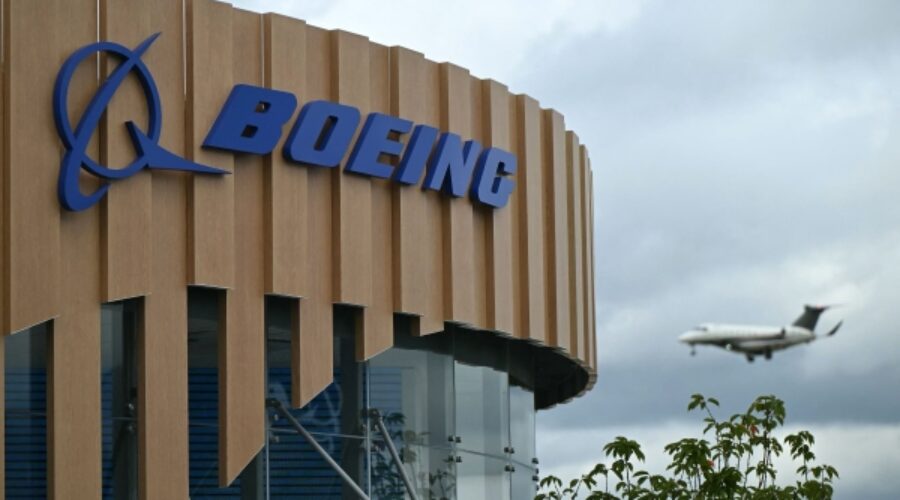
On Wednesday, China announced its intention to purchase 200 Boeing jets and seek an extension of the trade truce with the United States, which is set to expire in November. This announcement followed a significant summit between the leaders of both nations aimed at stabilizing bilateral relations. The Chinese commerce ministry confirmed the Boeing order but did not specify the types of aircraft involved.
If finalized, this deal would represent Boeing’s first significant transaction in China in nearly a decade. The U.S. aerospace manufacturer had been largely excluded from the Chinese aviation market due to ongoing trade tensions between Beijing and Washington. Last week, President Donald Trump visited China to meet with President Xi Jinping, where they made several trade commitments, including the Boeing purchase and increased access to agricultural markets. Following the summit, Trump indicated that the total number of Boeing aircraft ordered could eventually reach as many as 750, with plans to equip them with GE Aerospace engines.
Under the terms of the Boeing deal, the U.S. will supply China with guarantees for aircraft engine parts and components, according to the Chinese ministry.
Progress on Trade Truce
The two nations are also pursuing reciprocal tariff reductions on goods valued at $30 billion or more, with the ministry stating that U.S. tariffs on China should not exceed levels established in a previous agreement. Zhiwei Zhang, President and Chief Economist at Pinpoint Asset Management, noted, “If they cut tariffs for products worth around $30 billion, it would impact about 10% of U.S. imports from China. This is not significant enough to alter the market’s GDP forecast. However, it is a positive step toward stabilizing relations, which is encouraging for global investors.”
In October, prior to a meeting between Trump and Xi in South Korea, the two sides reached a preliminary agreement in Kuala Lumpur to extend their tariff truce for an additional year. This agreement included reductions of U.S. tariffs on Chinese goods and a suspension of new restrictions on exports of rare earth minerals and magnets from Beijing—materials critical for industries such as consumer electronics, electric vehicles, and defense.
U.S. Treasury Secretary Scott Bessent indicated that the administration is “not in a rush” to extend the tariff and critical minerals trade truce, suggesting further negotiations with China in the months ahead.
The two parties will collaborate to address each other’s concerns regarding export controls. The Chinese ministry highlighted that it reviews export license applications for critical minerals, including rare earth elements destined for civilian applications. Additionally, a fact sheet released by the White House stated that China would purchase at least $17 billion in U.S. agricultural products from 2026 to 2028, excluding any existing commitments related to soybeans.
While the Chinese commerce ministry did not confirm this figure, it did mention that the two sides achieved “positive results” in the agricultural sector and made agreements on mutual market access. China will also reinstate the registration of eligible U.S. beef exporters and recommence imports of certain U.S. poultry products.
In return, the U.S. has pledged to eliminate or make progress on several non-tariff barriers affecting Chinese agricultural exports, contributing to a more open trading environment for Chinese dairy products.
تحليل خاص من عمانت | تصفح سوق عُمان
الأخيرة Boeing deal with China, amid a trade truce with the U.S., signifies potential الفرص المتاحة في عُمان as it taps into the growing global aviation market. Omani businesses should consider the import and logistics implications, as increased aircraft orders might elevate demand for regional services and products. Investors should also watch for further trade agreements that could impact Oman’s export landscape, particularly in agricultural sectors, highlighting an important moment to strategize for competitive advantage.