Strait of Hormuz Transit Disruption: What Delays Mean for Your Business and Supply Chain in Oman
The chief executive of Japan’s Mitsui O.S.K. Lines has stated that shipowners will not resume transit through the Strait of Hormuz for several weeks until they are confident the U.S.-Iran agreement is substantial and effective. Jotaro Tamura made this remark in an interview with the Financial Times published on Tuesday.
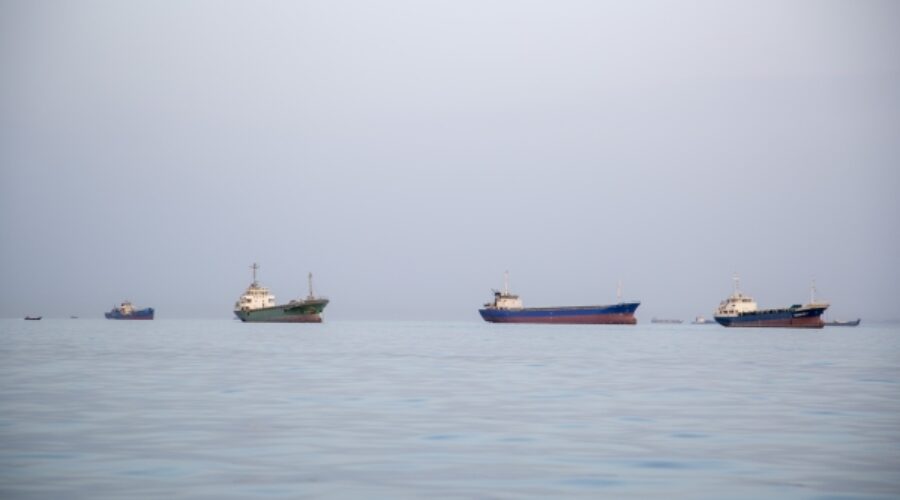
The ongoing conflict in Iran, which began on February 28 with U.S.-Israeli strikes, has largely halted shipping through this critical passage, which handles about one-fifth of the world’s oil and liquefied natural gas supply, along with other products such as aluminium and urea.
Mitsui O.S.K., one of Japan’s three major shipping companies, operates a fleet of more than 900 vessels, including bulk carriers, tankers, and ferries. Tamura emphasized that it is not enough for the involved countries to reach a simple agreement; the deal must be material and reflected in real changes on the ground in the Strait of Hormuz for shipping lines to feel safe resuming transit.
“Given the experiences of the past few months, it is reasonable to expect that it will take at least a few weeks, if not a month,” Tamura told the Financial Times prior to U.S. President Donald Trump’s announcement of a deal to end the Iran conflict.
Mitsui O.S.K. has not yet responded to requests for comment from Reuters. According to the Financial Times report, the ongoing finalization of the U.S.-Iran agreement had not altered Tamura’s cautious outlook.
Meanwhile, President Trump posted on Truth Social that oil-loaded ships are beginning to move out of the Strait of Hormuz, traveling along a southern route he described as “totally safe, secure, and pristine.”
تحليل خاص من عمانت | تصفح سوق عُمان
The prolonged uncertainty surrounding the U.S.-Iran deal means shipping through the Strait of Hormuz will remain cautious and limited in the near term, affecting the flow of vital oil and LNG supplies. For businesses in Oman, this signals potential logistical bottlenecks but also opportunities to capitalize on alternative routes and increased demand for local shipping servicesينبغي على المستثمرين الأذكياء أن يأخذوا في الاعتبار diversifying supply chains and investing in maritime security technologies and infrastructure to mitigate geopolitical risks.