Oman’s RO 1.54 Billion Trade Surplus: What It Means for Investors and Business Growth Opportunities
MUSCAT — Oman’s trade surplus remained largely steady at RO 1.54 billion in the first quarter of 2026, according to preliminary data from the National Centre for Statistics and Information (NCSI). This figure closely aligns with the RO 1.53 billion surplus recorded during the same period in 2025.
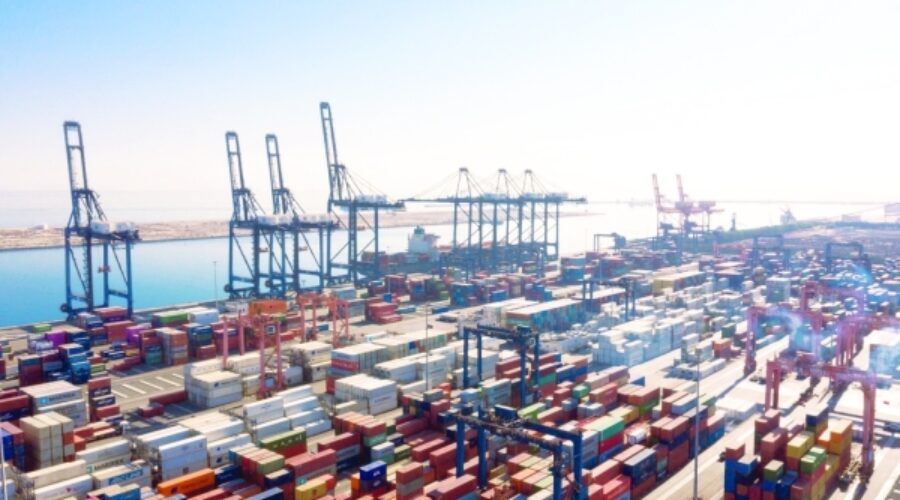
Total merchandise exports decreased by 8.5% year-on-year, falling to RO 5.3 billion by the end of March from RO 5.8 billion a year earlier. This decline was largely balanced by an 11.7% drop in merchandise imports, which fell to RO 3.8 billion from RO 4.3 billion during the corresponding period.
The reduction in exports was mainly driven by lower oil and gas revenues, with oil and gas exports amounting to RO 3.4 billion—a 13% decrease compared to RO 3.9 billion in the first quarter of 2025. In contrast, non-oil exports demonstrated notable resilience, declining marginally by 0.6% to RO 1.61 billion from RO 1.62 billion, underscoring the stability of Oman’s non-hydrocarbon export sector.
Re-exports experienced positive growth, rising by 4.6% to RO 367 million by the end of March 2026, compared to RO 351 million in the same period last year.
The United Arab Emirates remained Oman’s largest market for non-oil exports, receiving goods valued at RO 382 million. The UAE also led in re-export destinations, accounting for RO 102 million in re-export trade. Saudi Arabia followed as the second-largest non-oil export destination with RO 201 million, and India was third with RO 156 million. In re-exports, Kuwait was second after the UAE at RO 102 million, while Iran ranked third with RO 48 million.
On the import side, the UAE continued as Oman’s top trading partner, exporting goods worth RO 1.1 billion to the Sultanate in the first quarter. China and Saudi Arabia were the next largest import sources, with imports valued at RO 537 million and RO 308 million, respectively.
These figures highlight that despite weaker hydrocarbon export earnings, Oman sustained a robust trade surplus in early 2026, supported by stable non-oil exports, increased re-export activity, and a sharper reduction in imports. — ONA
تحليل خاص من عمانت | تصفح سوق عُمان
Oman’s stable trade surplus amid declining oil exports signals a critical shift towards economic diversification, with non-oil exports showing resilience and re-exports gaining momentum. Businesses in Oman should capitalize on growth in non-hydrocarbon sectors and re-export opportunities, especially in key markets like the UAE and Saudi Arabia. Smart investors must consider diversifying portfolios away from hydrocarbons, focusing on emerging trade corridors and regional partnerships to mitigate risks from volatile oil markets.