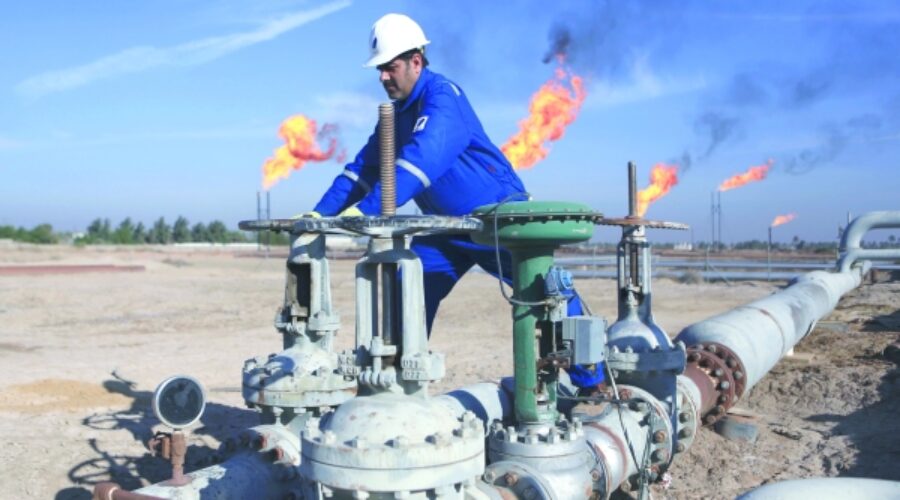
OPEC+ Raises Output Targets: Implications for Oil Prices and Investment Strategies in Oman
لندن: Oil prices experienced a decline on Monday following an agreement by Opec+ to further increase output targets starting in August. Additionally, exports from key producers through the Strait of Hormuz are showing signs of recovery, which could enhance global supplies.
Brent crude futures dropped by 41 cents, or 0.57%, settling at $71.96 per barrel by 09:42 GMT, after closing 0.45% higher the previous Friday. Meanwhile, US West Texas Intermediate crude was priced at $68.58 per barrel, down 37 cents, or 0.54%. There was no settlement for WTI on Friday, as US markets were closed in observance of the Independence Day holiday on Saturday.
Both contracts saw little change last week, after experiencing mostly downward trends in prior weeks. Investors remained focused on the ongoing discussions between the US and Iran regarding shipping activities through the Strait of Hormuz, while also monitoring the recovery of Gulf oil exports.
On Sunday, the Organisation of the Petroleum Exporting Countries (Opec) and its allies, including Russia, agreed to increase output targets by 188,000 barrels per day from August, following similar increases in June and July. However, this adjustment has largely been symbolic due to the ongoing conflict between the US and Israel against Iran, which has hindered tanker traffic for key Opec producers like Saudi Arabia, Kuwait, and Iraq, limiting their output.
PVM analyst Tamas Varga noted, “They are selling into a falling market, offering little hope of an imminent price recovery.” He also remarked that lower oil prices are expected to ultimately stimulate demand.
In June, Gulf oil exports rose by over 3 million barrels compared to May, surpassing 10 million barrels per day, although this figure remains 40% below levels seen before the conflict.
According to ANZ, “We now expect global oil demand to contract by 1.5 million barrels per day in 2026, reflecting a sharper-than-expected downturn in Q2, with year-on-year declines possibly reaching 4 million bpd based on preliminary data.” However, the bank anticipates that demand losses may moderate in the latter half of the year as supply improves and some deferred consumption returns.
Additionally, sources indicate that the Abu Dhabi National Oil Company (ADNOC) has sold approximately 16 million barrels of Emirati crude at wider discounts in a fifth spot tender initiated since June, highlighting an increase in spot supply. — Reuters
تحليل خاص من عمانت | تصفح سوق عُمان
الأخيرة increase in Opec+ output targets و ال recovery of oil exports from the Strait of Hormuz signal potential increased supply, which could further depress oil prices in the near term. For businesses in Oman, this situation presents a dual challenge: the risk of lower revenue due to falling prices, but also the opportunity to stimulate demand by meeting lower prices with competitive offeringsينبغي للمستثمرين ورجال الأعمال الأذكياء التركيز على diversifying their portfolios and exploring alternative energy sources as the market shifts, positioning themselves for a more sustainable future amid potential volatility.