Saudi Considers Red Sea Pipeline Expansion: What It Means for Regional Investors and Businesses
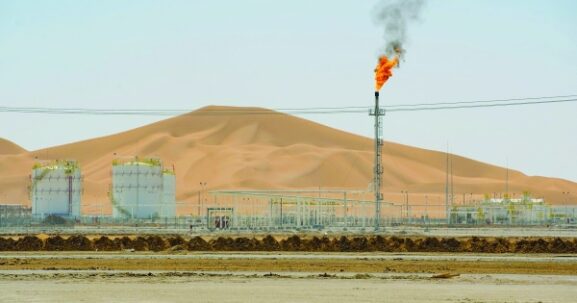
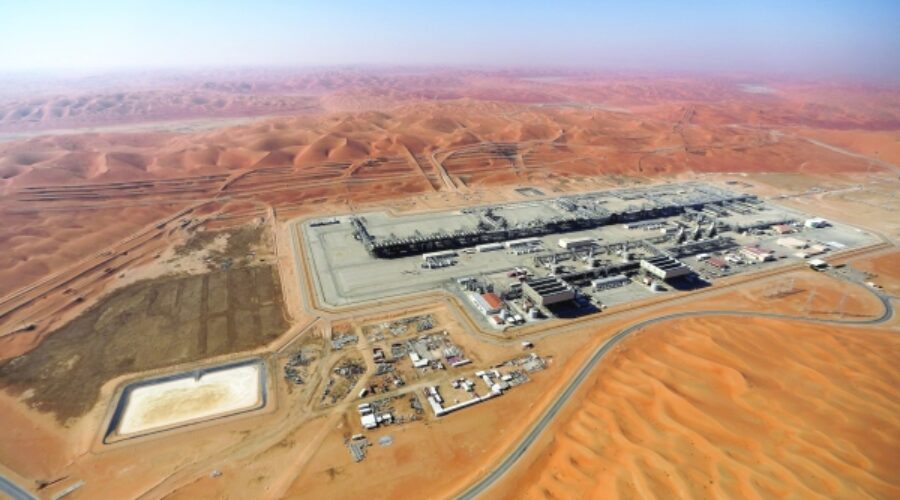
Saudi Arabia is exploring the possibility of expanding the capacity of its East-West crude oil pipeline to the Red Sea by up to 2 million barrels per day (bpd), according to sources familiar with the matter. This expansion would enable Saudi Arabia and neighboring Gulf producers to boost oil exports without depending solely on the Strait of Hormuz.
Constructed in the 1980s, the pipeline currently transports up to 7 million bpd of crude oil from eastern Saudi Arabia to the Red Sea port of Yanbu. Its strategic importance has grown significantly amid disruptions to shipping through the Strait of Hormuz during the recent conflict involving Iran.
Preliminary discussions are underway between Saudi Arabia and neighboring countries, including Kuwait, regarding the potential expansion. One source indicated that the project might also feature a second, smaller pipeline designated for refined petroleum products.
The planned capacity increase, estimated between 1 million and 2 million bpd, would require a multi-billion-dollar investment and could take several years to complete, insiders revealed.
This initiative aligns with Gulf producers’ efforts to reinforce alternative export routes, a priority underscored by the recent conflict, which disrupted approximately 12 million bpd of Gulf oil production before exports partially resumed under a preliminary US-Iran agreement.
Kuwait Petroleum Corporation CEO Sheikh Nawaf al Sabah confirmed last month that Kuwait is in discussions with Saudi Arabia to expand pipeline infrastructure to support Kuwaiti crude exports.
Industry analysts view these talks as part of a broader regional strategy to enhance energy security. Zaid Belbagi, managing partner at Hardcastle Advisory, remarked, “The recent talks about new pipeline corridors involving Saudi Arabia, Kuwait, and Qatar reflect a broader strategic reality. The conflict has focused minds regionally on the perils of relying solely on Hormuz.”
— رويترز
تحليل خاص من عمانت | تصفح سوق عُمان
The planned expansion of Saudi Arabia’s East-West pipeline signals a strategic shift to diversify export routes and reduce reliance on the Strait of Hormuz, enhancing regional energy security. For Omani businesses and investors, this presents an opportunity to align with evolving Gulf energy infrastructure and logistics networks, while also highlighting geopolitical risks that could disrupt traditional supply chains. Smart investors should consider positioning themselves in sectors tied to pipeline development, refined product distribution, and alternative export logistics to capitalize on this regional diversification trend.