Impact of US Strikes on Iran: What the Oil Price Drop Means for Investors and Businesses in Oman
On July 9, oil prices declined as markets evaluated the impact of new U.S. strikes on Iran, which may impede progress in peace talks and delay the full reopening of the strategically vital Strait of Hormuz.
Brent crude futures dropped by $1.03, or 1.32%, settling at $76.99 per barrel by 07:49 GMT. Similarly, U.S. West Texas Intermediate (WTI) crude futures fell 88 cents, or 1.2%, closing at $72.64 per barrel. Both benchmarks had reached their highest levels since June 22 on the previous day.
The rise in crude prices on Wednesday followed fresh U.S. military strikes against Iran, which prompted retaliatory attacks by Iran on Kuwait and Bahrain. This escalation threatens to disrupt ongoing efforts to end the conflict. The U.S. strikes were launched in response to an attack on three cargo ships in the Strait of Hormuz on Tuesday. These actions came hours after President Donald Trump declared that an interim ceasefire with Iran was “over.”
Tim Waterer, Chief Market Analyst at KCM Trade, noted that traders are reassessing the situation amid uncertainty about oil flow through the Strait of Hormuz. He added that the possibility of de-escalation is currently preventing significant gains in oil prices.
President Trump also mentioned that Iran had recently contacted the U.S. expressing a desire to negotiate a deal.
Insurance sources revealed on Wednesday that some war risk underwriters have advised shipping companies to halt voyages through the Strait of Hormuz, while others are reconsidering their policy terms due to the renewed attacks on vessels, raising fears of a wider conflict.
Prior to this flare-up, oil prices had been falling as markets absorbed increased Middle Eastern supply released by a previous truce, along with signs of rising inventories.
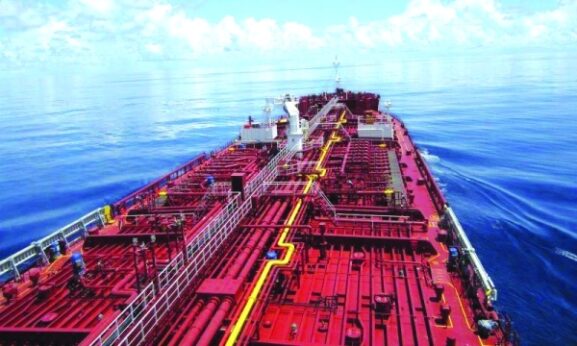
Historically, about one-fifth of global oil and liquefied natural gas supplies passed through the Strait of Hormuz, a choke point controlled by Tehran, which has been a critical leverage point since the U.S. and Israeli airstrikes against Iran began on February 28.
Goldman Sachs highlighted that risks to Gulf oil flows and near-term prices remain balanced. The bank forecasts a normalization of flows by the end of July, provided that negotiations proceed, sanctions waivers on Iranian oil are reinstated, and shippers receive adequate security guarantees. This would require an increase of 6.6 million barrels per day in Hormuz oil flows.
However, Goldman Sachs warned that failed talks, escalating tanker attacks, and a potential U.S. blockade of Iranian oil could further disrupt supply.
Aneeka Gupta, Director of Macroeconomic Research at WisdomTree, said Brent crude is likely to trade within a $75 to $85 range over the next month, with a mild upward bias. She emphasized that while the supply recovery is real, it remains incomplete, and although diplomatic efforts have stalled, they have not fully collapsed.
— رويترز
تحليل خاص من عمانت | تصفح سوق عُمان
The ongoing U.S.-Iran conflict and its impact on the Strait of Hormuz continue to inject volatility into global oil pricesمما يخلق المخاطر والفرص للشركات العمانية. Disruptions in oil flows could lead to price spikes, benefitting Oman’s oil sector but potentially increasing costs for other industries. Smart investors and entrepreneurs should closely monitor geopolitical developments and consider diversifying portfolios or investments to hedge against potential supply chain interruptions and market instability.