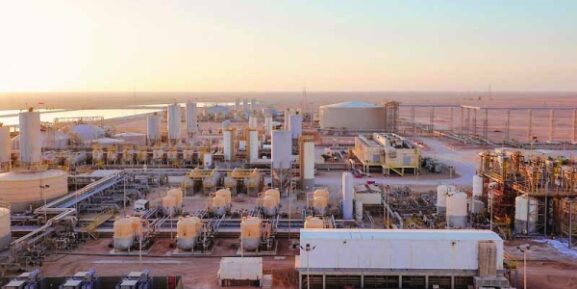
طفرة النفط: ماذا يعني ارتفاع سعر خام عُمان إلى 124.68 دولارًا وتجاوز سعر خام برنت 100 دولارًا للمستثمرين والشركات؟
ارتفع سعر النفط الخام العماني إلى $124.68 للبرميل يوم الاثنين للتسليم في شهر مايو، مما يمثل زيادة قدرها $24.37 عن سعر إغلاق يوم الجمعة البالغ $100.31 لنفس شهر التسليم.
بلغ متوسط السعر الشهري للنفط الخام العماني للتسليم في مارس/آذار $62.17 لكل برميل, ، بزيادة طفيفة قدرها 8 سنتات مقارنة بسعر التسليم في فبراير.
في غضون ذلك، ارتفع سعر خام برنت، وهو المعيار الرئيسي لأوروبا، بنحو 191 تريليون دولار ليصل إلى ما يقارب $111 لكل برميل خلال التداول المبكر. وفي الولايات المتحدة، تجاوز خام غرب تكساس الوسيط (WTI) أيضاً مستوى $100 عند بدء التداول في شيكاغو، وهو مستوى لم يُشهد منذ عام 2022.
بعد ظهر يوم الجمعة، تجاوز سعر خام برنت للتسليم في مايو 1.90 دولارًا للبرميل، وهو أعلى مستوى له منذ أبريل 2024. وقبل اندلاع النزاع في إيران قبل ما يزيد قليلاً عن أسبوع، تراوحت أسعار خام برنت حول 1.70 دولارًا للبرميل. وبالمقابل، ارتفعت أسعار الوقود بشكل ملحوظ منذ ذلك الحين.
لا يزال سوق النفط قلقاً للغاية إزاء احتمال استمرار الحصار على مضيق هرمز لفترة طويلة. فمنذ الهجمات الأمريكية والإسرائيلية على إيران، انخفضت حركة الملاحة البحرية عبر المضيق بشكل كبير. وفي الظروف العادية، يمر عبر هذا الممر المائي الحيوي ما يقارب خُمس تجارة النفط العالمية، وهو أيضاً حيوي لنقل الغاز الطبيعي المسال، بما في ذلك الشحنات القادمة من قطر.
في ظل ارتفاع أسعار الوقود، سعى الرئيس الأمريكي دونالد ترامب إلى التأكيد على أهمية النظرة طويلة الأجل. ففي منشور على منصته الاجتماعية "تروث سوشيال"، صرّح قائلاً: "إن أسعار النفط على المدى القصير، والتي ستنخفض بسرعة بمجرد زوال التهديد النووي الإيراني، تُعدّ ثمناً زهيداً للغاية مقابل أمن وسلامة الولايات المتحدة والعالم". وتأتي هذه الرسالة في ظل تزايد المخاوف بشأن تكاليف الوقود قبيل انتخابات التجديد النصفي المهمة التي ستُجرى في وقت لاحق من هذا العام.
تحليل خاص من عمانت | تصفح سوق عُمان
الارتفاع الحاد في أسعار النفط الخام فوق 100 ألف و400 ألف برميل، مدفوعاً بالصراع الإيراني والمخاوف من حصار مطول لمضيق هرمز،, يشير ذلك إلى فرص كبيرة لقطاع الطاقة في سلطنة عمان للاستفادة من عائدات التصدير المرتفعة. ومع ذلك، فإن الوضع يخلق أيضاً مخاطر انقطاع الإمدادات وزيادة تقلبات السوق, ويحثّ ذلك الشركات والمستثمرين على تبني استراتيجيات حذرة ومرنة مع استكشاف خيارات التنويع والتحوّط. وينبغي على المستثمرين الأذكياء مراقبة التطورات الجيوسياسية عن كثب والنظر في الأمر. الاستفادة من الموقع الاستراتيجي لسلطنة عمان لتعزيز شراكات الطاقة طويلة الأجل ومرونة البنية التحتية.