النفط الخام العماني يصل إلى مستوى تاريخي بلغ $150: الآثار المترتبة على المستثمرين والشركات في قطاع النفط
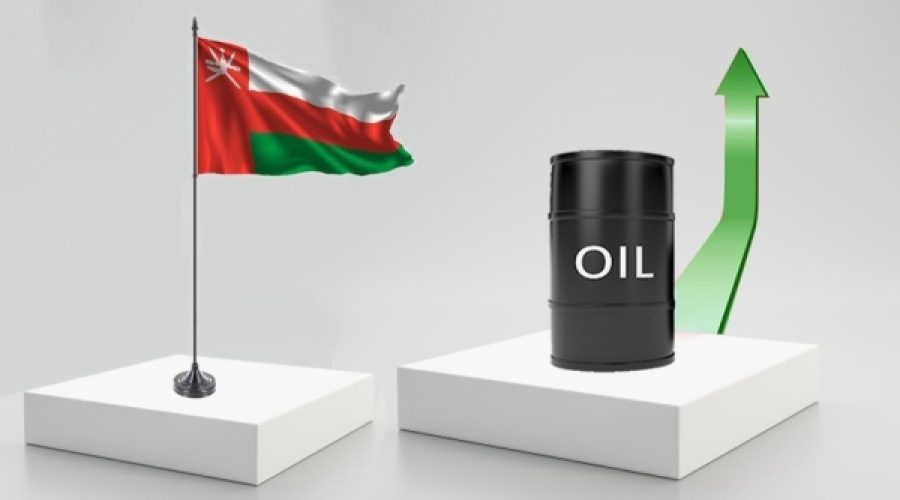
المسكات عنب طيب الشذاتم تداول النفط الخام العماني للتسليم في مايو بسعر $152.58 يوم الثلاثاء، مما يمثل زيادة قدرها $4.79 منذ تداولات يوم الاثنين. في 16 مارس، وصل سعر خام عُمان إلى أعلى مستوى له على الإطلاق. $147.79 لكل برميل في بورصة الخليج التجارية (GME)، متجاوزة الرقم القياسي السابق الذي تم تسجيله قبل أيام قليلة.
ملف الحقائق
- 16 مارس 2026: تم الإنجاز $147.79 لكل برميل، وهو أعلى سعر مسجل لمؤشر النفط الخام العماني (OQD).
- 13 مارس 2026استقر في $144.36 لكل برميل للتسليم في شهر مايو، وهو إنجاز هام في ذلك الوقت.
- يوليو 2008: أعلى مستوى قياسي سابق لـ $141.27 للبرميل الواحد.
- يونيو 2014ذروة متعددة السنوات لـ $107.68 لكل برميل، قبل حدوث تراجع كبير في السوق.
- 12 مارس 2026ارتفع إلى $134.75 للبرميل الواحد.
- 9 مارس 2026: روز إلى $124.68 لكل برميل، أ $24.37 زيادة عن الجلسة السابقة.
- 6 مارس 2026كسر $100 سجل لأول مرة منذ سنوات، وأغلق عند $100.31 للبرميل الواحد.
ارتفعت أسعار النفط بأكثر من خمسة بالمائة يوم الثلاثاء، في حين قاومت عدة دول دعوات دونالد ترامب للمساعدة في تأمين مضيق هرمز الحيوي، واصلت إيران موقفها العدائي تجاه منتجي النفط المجاورين. وجاء هذا الانتعاش بعد خسائر حادة في اليوم السابق، إثر تصريحات من وكالة الطاقة الدولية أشارت إلى إمكانية الإفراج عن مخزونات إضافية إذا لزم الأمر.
بحسب شركة سينشري فاينانشال، شهدت أسعار النفط تقلبات كبيرة الأسبوع الماضي وسط التوترات المستمرة في الشرق الأوسط. وقد ارتفعت أسعار العقود الآجلة للنفط بنسبة تقارب 40% على مدى الأسبوعين الماضيين. في أعقاب العمليات العسكرية الأمريكية ضد أهداف في جزيرة خارك الإيرانية يوم الجمعة الماضي، ظلت أسعار النفط مرتفعة على الرغم من انخفاض طفيف في المكاسب.
أثّر إغلاق مضيق هرمز على تدفقات النفط الخام، ما أدى إلى ارتفاع أسعار البراميل والوقود. واضطر بعض المنتجين إلى خفض الإنتاج. واستجابةً لهذا الاضطراب في الإمدادات، تعتزم وكالة الطاقة الدولية إطلاق مخزون تاريخي إلى آسيا فوراً، بينما ستتلقى أوروبا وأمريكا الإمدادات بدءاً من نهاية مارس، مع العلم أن الكميات والتوقيت الدقيقين لا يزالان غير مؤكدين.
في محاولة للتكيف مع هذه التحديات، تُتيح المملكة العربية السعودية للمشترين على المدى الطويل خيار استلام شحنات شهر أبريل عبر ميناء ينبع على البحر الأحمر. مع ذلك، لن يحصل المنتجون الذين يختارون هذا المسار إلا على جزء من حصصهم المعتادة نظرًا لمحدودية سعة خطوط الأنابيب. أما أولئك الذين يختارون النفط الخام من الخليج العربي، فقد يواجهون تأخيرات إذا استمر إغلاق مضيق هرمز.
للتخفيف من الاضطرابات، قامت شركة أرامكو السعودية بزيادة الشحنات عبر ينبع، وتقدم شحنات متعاقد عليها من هذا الميناء على البحر الأحمر كطريق تصدير بديل.
وفي حادثة ذات صلة، تسبب هجوم بطائرة مسيرة في اندلاع حريق في حقل نفطي هام في الإمارات العربية المتحدة، في الوقت الذي واصلت فيه إيران هجماتها الجوية عبر الخليج. ويقع حقل شاه النفطي في 230 كيلومترًا (143 ميلًا) جنوب أبوظبي، تبلغ طاقتها الإنتاجية حوالي 70 ألف برميل من النفط الخام يومياً، وفقاً لشركة أدنوك، شركة الطاقة المملوكة للدولة في الإمارات العربية المتحدة.
بمساهمات من الوكالات والمحللين.
تحليل خاص من عمانت | تصفح سوق عُمان
ال ارتفاع أسعار النفط الخام العماني, ، والتي تتجاوز الآن $152 لكل برميل، تشير فرص كبيرة للشركات في قطاع النفط, لا سيما في مجالات الاستثمار وتعزيز الإنتاج. ومع ذلك، فإن التوترات الجيوسياسية المستمرة وتُشكل الاضطرابات المحتملة في الإمدادات عبر مضيق هرمز مخاطر كبيرة مخاطر على الاستقرار التشغيلي. ينبغي على المستثمرين الأذكياء استغلال الفرصة على الرغم من تقلبات الأسعار هذه، يجب مراقبة التطورات الجيوسياسية عن كثب لضمان اتخاذ قرارات مستنيرة في هذا المشهد السوقي المتقلب.