صراع الشرق الأوسط: ماذا يعني انخفاض أسعار النفط الخام العالمية في عام 2021 بالنسبة لبيئة الأعمال في سلطنة عمان؟
انخفاض أسعار النفط الخام وسط التوترات في الشرق الأوسط
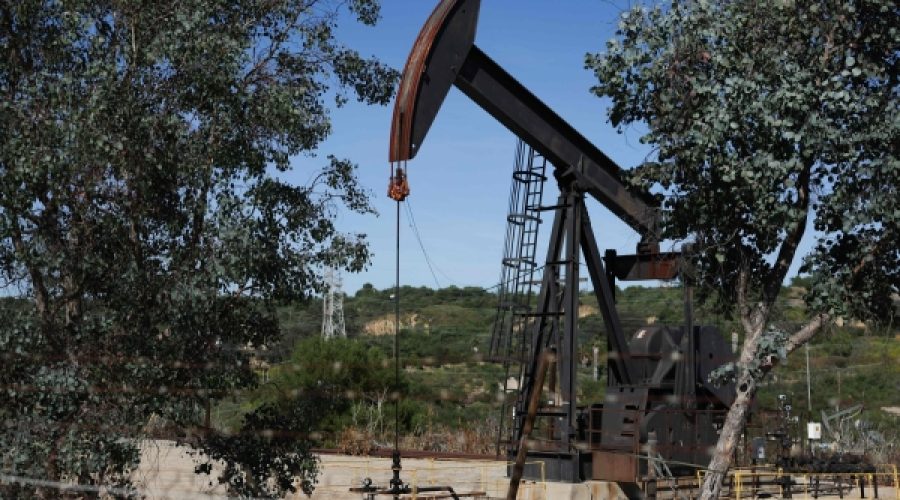
انخفضت أسعار النفط الخام يوم الجمعة بأكثر من اثنين بالمئة بعد أن أشار رئيس الوزراء الإسرائيلي بنيامين نتنياهو إلى أن الصراع مع إيران قد يُحل في وقت أقرب مما كان متوقعاً. وقد ردد الرئيس الأمريكي دونالد ترامب هذا الرأي، مصرحاً بأن القوات الإسرائيلية ستمتنع عن استهداف أي بنية تحتية إضافية للطاقة الإيرانية.
شهد كلا المؤشرين الرئيسيين للنفط انخفاضاً، على الرغم من أن خام برنت لا يزال يتداول عند حوالي 105 دولارات للبرميل، وخام غرب تكساس الوسيط قرب 93 دولاراً للبرميل. في وقت سابق من الأسبوع، ارتفع سعر خام برنت بنسبة تقارب 6%، ليصل إلى 119 دولاراً للبرميل قبل أن يستقر عند حوالي 109 دولارات.
في سوق المعادن الثمينة، شهد الذهب والفضة خسائر كبيرة، حيث انخفض سعرهما بأكثر من ستة بالمائة و 13 بالمائة على التوالي، حيث أدت المخاوف المتزايدة بشأن التضخم إلى إضعاف التوقعات بشأن تخفيضات أسعار الفائدة الوشيكة.
الرئيس الفرنسي يقترح تحركاً للأمم المتحدة بشأن هرمز
أعلن الرئيس الفرنسي إيمانويل ماكرون عن خطط للتواصل مع الأعضاء الدائمين في مجلس الأمن الدولي لوضع إطار عمل لتأمين الملاحة في مضيق هرمز، رهناً بوقف الأعمال العدائية. وفي تصريح للصحفيين في بروكسل عقب قمة أوروبية، قال: "لقد بدأنا عملية استكشافية، وسنرى في الأيام المقبلة ما إذا كانت ستُكلل بالنجاح".“
أضرار لحقت بالبنية التحتية للطاقة في الخليج
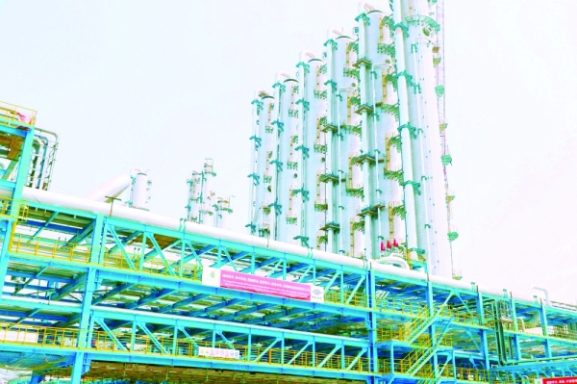
أعلنت قطر عن أضرار جسيمة لحقت بأكبر منشأة للغاز الطبيعي المسال في العالم جراء هجمات إيرانية، مما زاد المخاوف بشأن إمدادات الطاقة العالمية. وأشار وزير الطاقة القطري إلى أن الهجمات خفضت طاقة تصدير الغاز الطبيعي المسال للمنشأة بنسبة 17%، ومن المتوقع أن تستغرق أعمال الإصلاح عدة سنوات. وتُعد قطر من بين أبرز منتجي الغاز الطبيعي المسال في العالم، إلى جانب الولايات المتحدة وأستراليا وروسيا.
إضافةً إلى ذلك، استُهدفت مصفاتان نفطيتان كويتيتان ومصفاة سمرف السعودية في ينبع خلال النزاعات. واستجابةً لهذه التطورات، وافقت الولايات المتحدة على بيع أسلحة بقيمة 16.46 مليار دولار أمريكي للإمارات العربية المتحدة والكويت، اللتين واجهتا تحديات كبيرة جراء الحرب الدائرة.
الأمم المتحدة تدعو إلى ممر بحري آمن
دعت المنظمة البحرية الدولية التابعة للأمم المتحدة إلى إنشاء ممر ملاحي آمن في الخليج لمساعدة السفن والبحارة العالقين، وذلك عقب اجتماع طارئ أدان تصرفات إيران. وبعد يومين من المناقشات في لندن، اعتبرت المنظمة إنشاء "ممر بحري آمن" إجراءً مؤقتاً وعاجلاً. وقد أعربت ست دول غربية، من بينها المملكة المتحدة وفرنسا وألمانيا واليابان، عن استعدادها للمساهمة في ضمان المرور الآمن عبر مضيق هرمز، على أن أي مبادرة لن تُنفذ إلا بعد وقف إطلاق النار.
الآثار والتوقعات الاقتصادية
خفض البنك المركزي الأوروبي توقعاته للنمو ورفع توقعاته للتضخم لهذا العام في ظل صدمة أسعار الطاقة الناجمة عن الصراع في الشرق الأوسط. وتشير التقديرات الحالية إلى أن نمو الناتج المحلي الإجمالي لمنطقة اليورو سيبلغ 0.9% في عام 2026، مع ارتفاع التضخم إلى 2.6%.
تدرس ألمانيا فرض ضريبة على الأرباح غير المتوقعة لقطاع الطاقة، والتي نتجت عن ارتفاع أسعار النفط بسبب الحرب، وفقًا لمصدر في وزارة المالية. ويبحث وزير المالية، لارس كلينغبايل، فرض ضريبة خاصة "لتقليص الأرباح المفرطة التي تحققت خلال الأزمة".“
في محاولة لتخفيف أسعار النفط، أشار وزير الخزانة الأمريكي سكوت بيسنت إلى أن واشنطن قد تنظر في "رفع العقوبات" عن النفط الخام الإيراني الموجود بالفعل في طريقه إلى إيران، وقد تفرج أيضاً عن كميات إضافية من النفط من احتياطياتها الاستراتيجية.
اضطراب حركة الطيران في الخليج
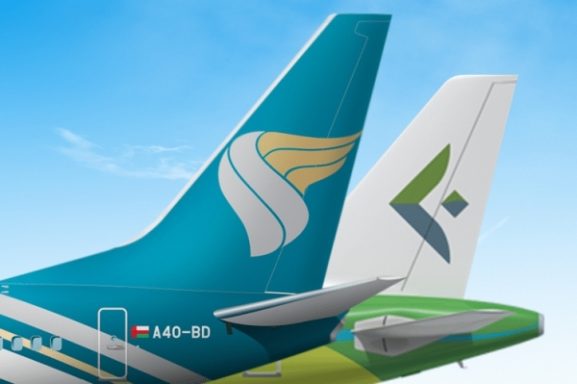
أدى النزاع المستمر إلى تعطيل حركة الطيران فوق دول الخليج بشكل كبير، والتي تُعدّ نقاط عبور رئيسية للرحلات الدولية. ويجد العديد من المسافرين الأوروبيين أنفسهم عالقين في آسيا، غير قادرين على المرور عبر مراكز رئيسية مثل دبي والدوحة وأبوظبي، وهي المقرات الرئيسية لشركات طيران مثل طيران الإمارات والخطوط الجوية القطرية والاتحاد للطيران. وأكد بنجامين سميث، الرئيس التنفيذي لشركة الخطوط الجوية الفرنسية-كيه إل إم، أن هذا الوضع يُبرز اعتماد أوروبا على شركات الطيران الخليجية، قائلاً: "إنه بمثابة جرس إنذار".“
تحليل خاص من عمانت | تصفح سوق عُمان
ال انخفاض أسعار النفط الخام مؤخراً تشير التطورات الجيوسياسية اللاحقة إلى احتمالات تقلبات الأعمال في سلطنة عمان, ولا سيما تلك التي تعتمد على صادرات النفط. في حين أن انخفاض الأسعار قد يخفف من حدة الوضع. الضغوط التضخمية, كما أنها توفر فرصة لـ على المستثمرين الأذكياء التفكير في تنويع استثماراتهم في قطاعات الطاقة البديلة. ينبغي على رواد الأعمال أن يظلوا متيقظين، لأن التوترات المستمرة قد تعطل الاستقرار الإقليمي، مما يؤثر على سلاسل التوريد وآفاق الاستثمار.