ارتفاع قياسي في أسعار الذهب والفضة: الآثار المترتبة على المستثمرين وسوق الأسهم في سلطنة عمان
أسعار الذهب والفضة ترتفع وسط توترات تجارية
هونغ كونغ – يوم الاثنين، وصلت أسعار الذهب والفضة إلى مستويات قياسية بينما انخفضت معظم أسواق الأسهم، نتيجة مخاوف تجارية متجددة بعد تهديد الرئيس الأمريكي دونالد ترامب بفرض رسوم جمركية على عدة دول أوروبية. نشأت هذه المهلة من معارضتهم للاقتراح الأمريكي لشراء غرينلاند.
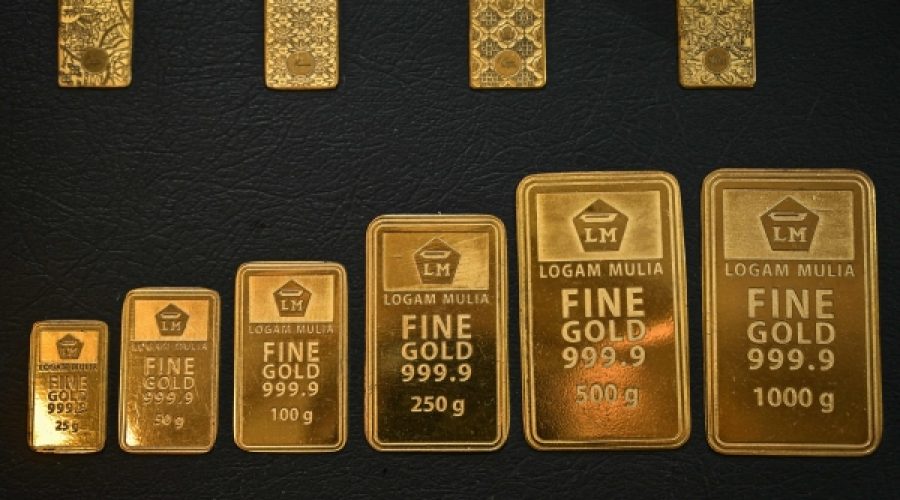
أسعار الذهب في عمان
- 24K: RO58.2
- 22K: RO54.4
- 18K: RO43
هذا الشهر، زاد الرئيس ترامب من التوترات الجيوسياسية القائمة من خلال التأكيد على أن الولايات المتحدة ستتولى السيطرة على الجزيرة الواقعة في شمال الأطلسي، مشيرًا إلى مخاوف تتعلق بالأمن القومي. بعد مناقشات غير ناجحة تهدف إلى حل "الخلاف الأساسي" بشأن الأراضي الدنماركية، أعلن عن خطط لفرض رسوم جديدة على ثماني دول ترفض الامتثال لمطالبه.
وذكر أنه اعتبارًا من 1 فبراير، ستُطبق رسوم 10% على الدنمارك والنرويج والسويد وفرنسا وألمانيا والمملكة المتحدة وهولندا وفنلندا. ستتزايد هذه النسبة إلى 25% بحلول 1 يونيو إذا لم توافق هذه الدول على الاستحواذ.
أثار الإعلان رد فعل سريع من الدول المتأثرة، التي أعلنت بشكل مشترك، “تهديدات الرسوم الجمركية تقوض العلاقات عبر الأطلسي وتعرضنا لخطر دوامة هبوط خطيرة.”
هذه الخطوة تعرض اتفاقية تجارية بين الولايات المتحدة والاتحاد الأوروبي تم تأسيسها العام الماضي للخطر. علق وزير الخارجية الألماني يوهان ويدفول على تلفزيون ARD، “لا أعتقد أن هذا الاتفاق ممكن في الوضع الحالي.”
ردًا على ذلك، أشار مساعدو الرئيس الفرنسي إيمانويل ماكرون إلى أنه سيحث الاتحاد الأوروبي على تفعيل "أداة مكافحة الإكراه" غير المسبوقة ضد الولايات المتحدة إذا استمر ترامب في تهديداته. ستسمح هذه الآلية للاتحاد الأوروبي، الذي يتكون من 27 دولة ويبلغ إجمالي عدد سكانه 450 مليون، بتقييد واردات السلع والخدمات من الولايات المتحدة.
أفادت بلومبرغ أن دول الاتحاد الأوروبي تفكر في فرض رسوم انتقامية على سلع أمريكية بقيمة حوالي 93 مليار يورو ($108 مليار). لقد أثار احتمال نشوب حرب تجارية بين هذه القوى الاقتصادية الأسواق، مما دفع الأصول الملاذ الآمن إلى توسيع مكاسبها، التي ارتفعت في البداية بعد تهديدات ترامب ضد إيران وإزالة الولايات المتحدة للرئيس الفنزويلي نيكولاس مادورو.
بلغت أسعار الذهب ذروتها عند $4,690.59، بينما وصلت الفضة إلى $94.12. في أسواق الأسهم، شهدت طوكيو وهونغ كونغ وشنغهاي وسيدني وسنغافورة وويلينغتون انخفاضات، بينما شهدت سيول وتايبيه مكاسب متواضعة. انخفضت العقود الآجلة المتداولة في كل من الأسواق الأوروبية والأمريكية، وضعف الدولار مقابل نظرائه، حيث ارتفعت اليورو والجنيه والين.
لاحظت تشارو تشانانا، كبيرة استراتيجيي الاستثمار في ساكسو ماركتس، “العلامة التالية هي ما إذا كان هذا الانتقال من الخطاب إلى السياسة، ولهذا السبب فإن التواريخ المحددة مهمة.” وأكدت أن القرارات المتخذة في أوروبا بنفس القدر من الأهمية، قائلة: “هناك فرق بين مجرد ذكر أداة مكافحة الإكراه كإشارة والسعي رسميًا لتحقيقها كعمل.”
حتى إذا تم التفاوض بشأن تهديدات الرسوم الجمركية الفورية، حذرت تشانانا من المخاطر الهيكلية المستمرة التي قد تنشأ، بما في ذلك زيادة تجزئة التجارة، وسلاسل الإمداد الأكثر سياسية، وزيادة المخاطر السياسية للشركات والمستثمرين.
في الأخبار الاقتصادية، كان هناك رد فعل ضئيل على التقارير التي تفيد بأن الاقتصاد الصيني نما بنسبة 5% العام الماضي، متماشيًا مع هدفه، على الرغم من أن النمو في الربع الأخير تباطأ بشكل حاد مقارنة بالربع السابق. لم يتأثر المستثمرون في سيول وتايبيه بشكل كبير بتحذير من وزير التجارة الأمريكي هوارد لوتنيك، الذي حذر من أن شركات تصنيع الرقائق الكورية الجنوبية والشركات التايوانية التي لا تستثمر في الولايات المتحدة قد تواجه رسومًا بنسبة 100% ما لم تزيد الإنتاج داخل البلاد.
تحليل خاص من عمانت | تصفح سوق عُمان
مع الذهب والفضة تصل إلى مستويات قياسية, ، قد تجد الشركات في عمان الأمان في المعادن الثمينة وسط تصاعد التوترات الجيوسياسية ومخاوف الحرب التجارية. يجب على المستثمرين النظر في تنويع استثماراتهم في الأصول الملاذ الآمن مع البقاء يقظين بشأن المحتمل تغييرات سياسة التجارة, ، والتي قد تؤثر على سلاسل الإمداد وتزيد من المخاطر للقطاعات المعتمدة على التجارة العالمية. مع تحول الرسوم الجمركية إلى تهديد وشيك،, يجب على رواد الأعمال استكشاف فرص الإنتاج المحلي للتخفيف من الاضطرابات المستقبلية واستغلال الظروف السوقية المواتية التي أوجدتها عدم الاستقرار الدولي.