أزمة إمدادات النفط في كوبا: ماذا يعني انخفاض الدعم الفنزويلي للمستثمرين والشركات؟
تتطلب كوبا حالياً حوالي 100,000 برميل من النفط يومياً للحفاظ على الكهرباء ووسائل النقل العامة والقطاعات الصناعية، وفقاً للتقارير. ومع ذلك، بسبب السياسات في إدارة الرئيس دونالد ترامب، تتلقى الجزيرة أقل بكثير مما تحتاجه.
مع سيطرة إدارة ترامب على صناعة النفط في فنزويلا، يتم تزويد كوبا الآن بجزء فقط من احتياجاتها النفطية. يشكل هذا النقص تهديداً متزايداً لأزمة إنسانية شديدة غير مسبوقة في تاريخ البلاد الحديث.
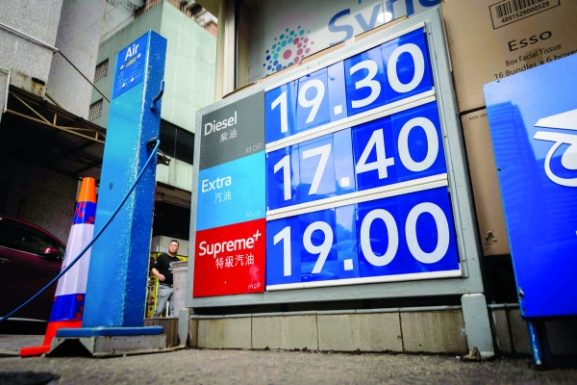
الوقود الأساسي - بما في ذلك الديزل للحافلات، والبنزين للسيارات، ووقود الطائرات - في نقص حاد عبر كوبا. تواجه الأمة، التي تعاني بالفعل من انقطاعات طويلة في الكهرباء، خطر الإغلاق التام مع تراجع احتياطيات الوقود، مما قد يغرق البلاد في الظلام ويتسبب في انهيار اقتصادها، وفقاً لمتخصصي الطاقة والاقتصاديين الذين يراقبون عن كثب وضع كوبا.
في مثال صارخ على الأزمة، أعلنت محطة تلفزيونية وإذاعية تديرها الحكومة في وسط كوبا أنها كانت خارج الهواء لعدة أيام بسبب نقص الديزل. كما أدت انقطاعات الكهرباء إلى تعطيل خدمات المياه للعديد من السكان.
قبل أكثر من عقدين، نظم الرئيس الفنزويلي السابق هوغو تشافيز تزويد فنزويلا لكوبا بالنفط، مما ساعد في الحفاظ على الجزيرة عائمة اقتصادياً. في المقابل، أرسلت كوبا مهنيين طبيين وموظفين آخرين إلى فنزويلا، حيث تم دمج المواطنين الكوبيين حتى في تفاصيل أمن الرئيس نيكولاس مادورو. فقد 32 ضابطاً كوبياً حياتهم خلال غارة أمريكية تهدف إلى القبض على مادورو.
بعد الغارة، أعلن الرئيس ترامب عن إنهاء شحنات النفط الفنزويلية إلى كوبا. على وسائل التواصل الاجتماعي، أكد بشكل قاطع، “لن يكون هناك المزيد من النفط أو المال المتجه إلى كوبا - صفر!” تُنسب هذه الاستراتيجية لزعزعة استقرار كوبا على نطاق واسع إلى وزير الخارجية ماركو روبيو، الذي له أصول كوبية.
في ذروتها، كانت فنزويلا تزود كوبا بحوالي 100,000 برميل يومياً، لكن هذا الحجم انخفض مؤخراً إلى حوالي 35,000 برميل يومياً. حذر خورخي ر. بينيون، المدير التنفيذي السابق في مجال النفط والباحث الحالي في الطاقة، من أن فقدان هذه الشحنات سيكون كارثياً، مما قد يوقف النقل، ويجعل أسواق الغذاء فارغة، ويجمد النشاط الاقتصادي.
خفضت المكسيك أيضًا صادراتها النفطية إلى كوبا من 22,000 برميل إلى حوالي 7,000 برميل يوميًا بحلول أواخر 2025، مع وصول شحنة واحدة حديثة تبلغ حوالي 85,000 برميل هذا الشهر. لم تتدخل موردي النفط الآخرين، مثل روسيا.
تدين الحكومة الكوبية بشدة القيود الأمريكية على تسليم النفط الفنزويلي. أكد وزير الخارجية الكوبي برونو رودريغيز حق كوبا السيادي في استيراد النفط، متهمًا الولايات المتحدة بالتصرف كـ “هيمنة غير خاضعة للرقابة” تهدد السلام والأمن العالميين.
يعاني الكوبيون بالفعل من تداعيات نقص النفط. لإدارة إمدادات الوقود النادرة، تتطلب الحكومة من المواطنين استخدام تطبيق لتأمين أماكن في طوابير محطات الوقود. يذكر كارلوس مانويل فارغاس، المعلم المتقاعد البالغ من العمر 78 عامًا وحارس الأمن، أنه انتظر أكثر من شهرين للوصول إلى الغاز ويواجه الآن صعوبات في الحصول على الوقود اللازم للمواعيد الطبية، حيث أصبح شراء البنزين الأكثر تكلفة شبه مستحيل.
على الرغم من إمدادات النفط الفنزويلية السابقة، عانت كوبا من العديد من انقطاع التيار الكهربائي الطويل والواسع النطاق في السنوات الأخيرة. سلط خوان أ.ب. بيلت، الاقتصادي المتخصص في قطاع النفط، الضوء على انقطاع التيار الكهربائي المتكرر لعدة أيام والذي يؤثر على البلاد بأكملها. كما أدى نقص الوقود إلى إعاقة أنظمة إمدادات المياه، حيث لا يمكن لمضخات الكهرباء العمل بدون طاقة.
يحذر الخبراء من أن أزمة النفط من المحتمل أن تعمق الاضطرابات الاجتماعية في هذه الأمة التي يبلغ عدد سكانها تسعة ملايين، مما يزيد الضغط على حكومة تعاني بالفعل من صعوبات اقتصادية. وقد استجاب النظام الكوبي تاريخيًا للاحتجاجات بالاعتقالات؛ خلال الاحتجاجات الجماهيرية في عام 2021، تم احتجاز أكثر من 1,400 متظاهر.
يعترف الرئيس ميغيل دياز-كانيل بالأزمة لكنه يلقي اللوم على الولايات المتحدة وفرض حظر طويل الأمد يقيّد التجارة الدولية لكوبا. ويزعم أن الهدف الحقيقي من الطموحات الأمريكية هو النفط الفنزويلي.
يُعتبر دياز-كانيل، الذي تولى الرئاسة في عام 2018 وهو أول زعيم كوبي خارج عائلة كاسترو منذ عام 1959، أقل تأثيرًا من القادة السابقين. تبقى السلطة الحقيقية مع مجموعة GAESA التي تسيطر عليها القوات العسكرية الكوبية، وقوات الأمن الحكومية.
تعكس الأزمة الحالية “الفترة الخاصة” لكوبا بعد انهيار الاتحاد السوفيتي قبل حوالي 35 عامًا، والتي أدت أيضًا إلى تدهور اقتصادي مدمر. وقد خفت تلك الأزمة في النهاية عندما طورت كوبا إنتاج النفط المحلي، وزادت السياحة، واستفادت من واردات النفط الفنزويلي.
ومع ذلك، تراجعت صناعة السياحة في الجزيرة بسبب العقوبات الأمريكية وإغلاقات الوباء، حيث انخفض عدد السياح بنسبة 68% منذ عام 2019، وفقًا للاقتصادي إميليو موراليس. العديد من مرافق الفنادق الآن لا تزال غير مستخدمة إلى حد كبير.
بينما تسعى إدارة ترامب إلى تقويض حكومة كوبا، إلا أنها حتى الآن امتنعت عن الضغط على المكسيك لوقف شحناتها النفطية الصغيرة، جزئيًا لتجنب تفاقم الوضع الإنساني. يعتقد المسؤولون الأمريكيون أن كوبا تحتفظ بكمية قليلة من احتياطي النفط ويشتبهون في أن أي احتياطات ستكون مستخدمة لدعم عمليات الاستخبارات والأمن.
وزارة الخارجية الأمريكية تعهدت مؤخرًا بتقديم $3 مليون دولار كمساعدات إنسانية للمناطق الكوبية المتأثرة بالإعصار ميليسا، يتم تسليمها عبر الكنيسة الكاثوليكية.
على الرغم من التحذيرات من أن حظر النفط قد يؤدي إلى كارثة إنسانية، يؤكد المسؤولون الأمريكيون أن الشحنات المتوقفة لم تفد الكوبيين العاديين بشكل مباشر. ويواصلون حث الحكومة الكوبية على التفاوض أو مواجهة عواقب إضافية.
لا تزال التوترات بين الدولتين مرتفعة حيث يتهم نائب وزير الخارجية الكوبي الولايات المتحدة بإصدار “تهديدات نهاية العالم” بينما ينعى الكوبيون ضباط الاستخبارات الذين سقطوا في فنزويلا.
في هذه الأثناء، يواجه الكوبيون العاديون صعوبات متزايدة - حيث يعبر الكثيرون عن إحباطهم بسبب الانتظار الطويل للوصول ببساطة إلى الوقود الأساسي.
ظهر هذا التقرير أصلا في صحيفة نيويورك تايمز.
تحليل خاص من عمانت | تصفح سوق عُمان
تسلط الاضطرابات الشديدة في إمدادات النفط في كوبا، المدفوعة بالعقوبات الأمريكية على فنزويلا، الضوء على الضعف الحرج للاقتصادات المعتمدة على واردات الطاقة من مصدر واحد, ، مما يشير إلى احتمال عدم استقرار اجتماعي واقتصادي واسع النطاق. بالنسبة للأعمال التجارية والمستثمرين في عمان، فإن هذا يبرز الأهمية الاستراتيجية لتنويع شراكات الطاقة واستكشاف سلاسل الإمداد المرنة في المناطق الحساسة جيوسياسيًا. يجب على رواد الأعمال الأذكياء أن يأخذوا في الاعتبار الفرص في الطاقة البديلة وحلول البنية التحتية. التي يمكن أن تخفف من أزمات مماثلة في أماكن أخرى، مع مراعاة المخاطر التي تطرحها التدخلات السياسية على تدفقات الطاقة العالمية.