الصراع الإيراني يُشعل أزمة الروبية الهندية: ما يحتاج المستثمرون والشركات إلى معرفته
لا يزال اعتماد الهند على واردات الطاقة يشكل نقطة ضعف كبيرة، لا سيما في ظل تصاعد الصراع في منطقة الخليج. فقد زعزعت الصراعات الأمريكية الإسرائيلية الإيرانية استقرار دول الخليج، التي تضم نحو 10 ملايين مغترب هندي يساهمون بنحو 381 تريليون روبية من تحويلات المغتربين الهنود. وقد أدى هذا الوضع إلى تفاقم التوترات بالنسبة لخامس أكبر اقتصاد في العالم.
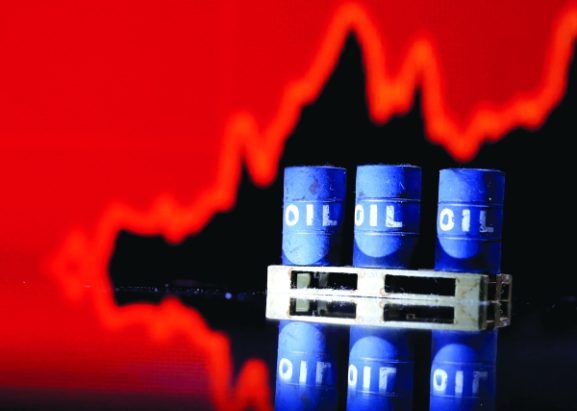
يوم الاثنين، وخلال خطاب ألقاه أمام البرلمان حول النزاع، واجه وزير الخارجية الهندي، سوبرامانيام جايشانكار، استهجانًا من سياسيي المعارضة. وتزامن هذا مع ارتفاع أسعار النفط الخام إلى 119 روبية هندية للبرميل، وانخفاض قيمة الروبية الهندية إلى مستوى قياسي جديد بلغ 92.35 مقابل الدولار الأمريكي، مما يجعلها أسوأ العملات الآسيوية الرئيسية أداءً في عام 2025.
رغم سماح واشنطن لشركات هندية، من بينها شركة ريلاينس إندستريز، بشراء النفط الروسي الخاضع للعقوبات، إلا أن الميزة الأولية المتمثلة في الأسعار المخفضة قد تضاءلت نتيجةً لتزايد المنافسة. وتُعدّ احتياطيات النفط الهندية منخفضة للغاية، إذ تشير التقارير، وفقًا لوكالة رويترز نقلاً عن مصادر في قطاع التكرير، إلى أن المخزونات تكفي لتغطية 25 يومًا فقط من الطلب. إضافةً إلى ذلك، لا يزال اعتماد الهند على الغاز الطبيعي المسال يُمثّل تحديًا، حيث تستورد 801 تريليون طن من الغاز الطبيعي المسال من الشرق الأوسط. وردًا على ذلك، قيّدت نيودلهي إمدادات الغاز الصناعي وأطالت فترات انتظار توزيع غاز الطهي.
للتخفيف من آثار صدمات أسعار الطاقة على المستهلكين، يمكن للحكومة توجيه شركات الوقود الحكومية، مثل بهارات بتروليوم وإنديان أويل، لاستيعاب الزيادات في التكاليف. كما يمكنها خفض الضرائب غير المباشرة، على الرغم من أن ذلك سيؤدي إلى اتساع العجز المالي. والجدير بالذكر أن التضخم في الهند لا يزال منخفضاً، حيث لم ترتفع أسعار التجزئة سوى 2.751 تريليون روبية على أساس سنوي حتى يناير.
مع ذلك، فإن الدفاع عن الروبية أكثر تعقيدًا. إذ يُشكل اتساع العجز المالي ضغطًا إضافيًا. وقد تدخل بنك الاحتياطي الهندي يوم الاثنين لإبطاء تراجع الروبية. ورغم انخفاض أسعار النفط إلى 1.92 تريليون روبية هندية للبرميل بعد تصريح الرئيس الأمريكي دونالد ترامب بأن الصراع سينتهي "قريبًا جدًا"، إلا أن تقلبات الأسعار لا تزال قائمة. ويحذر الخبير الاقتصادي غورا سينغوبتا من بنك IDFC First من أنه إذا استقر سعر النفط الخام عند مستوى 1.10 تريليون روبية هندية للبرميل لمدة ثلاثة أشهر، فقد يرتفع عجز الحساب الجاري للهند إلى 2.1 تريليون روبية هندية من الناتج المحلي الإجمالي، مقارنةً بالتقدير الأساسي البالغ 1.61 تريليون روبية هندية. وهذا من شأنه أن يقترب من العجز البالغ 2.31 تريليون روبية هندية المسجل خلال الأزمة المالية العالمية 2008-2009.
تعاني الروبية أيضاً من ضعف تدفقات الاستثمار الأجنبي المباشر وهروب رؤوس الأموال، ويعود ذلك جزئياً إلى المخاوف بشأن تأثير تقنيات الذكاء الاصطناعي الناشئة على قطاع تصدير الخدمات في الهند. ومن شأن استمرار الأعمال العدائية في الشرق الأوسط أن يزيد من حدة هذه الضغوط على العملة.
وعلى الرغم من هذه التحديات، صرحت وزيرة المالية نيرمالا سيثارامان في 9 مارس بأن الهند لا تتوقع ارتفاعاً كبيراً في التضخم نتيجة ارتفاع أسعار النفط الخام العالمية، حيث لا يزال التضخم المحلي قريباً من الحد الأدنى للنطاق المستهدف للبنك المركزي.
ومع ذلك، وفي نفس اليوم، سجلت الروبية الهندية أدنى مستوى لها على الإطلاق عند 92.3475 مقابل الدولار الأمريكي وسط مخاوف بشأن التأثير الاقتصادي لارتفاع أسعار النفط على النمو والتضخم في خامس أكبر اقتصاد في العالم.
تحليل خاص من عمانت | تصفح سوق عُمان
ارتفاع تكاليف استيراد الطاقة في الهند وسط الصراع في الشرق الأوسط مؤشر تزايد الهشاشة الاقتصادية قد يمتد تأثير ذلك إلى اقتصادات دول الخليج، بما فيها سلطنة عُمان. ويمثل هذا تحدياً للشركات في عُمان. فرصة لتعزيز شراكات تجارة الطاقة وتنويع سلاسل التوريد للاستفادة من الطلب المتزايد في الهند. ينبغي على المستثمرين الأذكياء التفكير في ذلك. الاستفادة من تقلبات أسعار الطاقة وتقلبات العملات لتحديد نقاط الدخول الاستراتيجية في قطاعي الطاقة والتمويل, ، مع الاستعداد للمخاطر المحتملة المرتبطة بعدم الاستقرار الجيوسياسي.