شركة الغاز الوطنية تستثمر 100 مليون دولار في مشروع صغير لإنتاج الغاز الطبيعي المسال: ما الذي يعنيه ذلك لسوق الطاقة في سلطنة عمان والمستثمرين؟
مسقط، 16 يناير - شركة الغاز الوطنية، وهي شركة طاقة عمانية راسخة متخصصة في تسويق وتوزيع الغاز البترولي المسال (LPG) محليًا ودوليًا، تفكر في استثمار حوالي $100 مليون في مصنع صغير للغاز الطبيعي المسال (LNG). يهدف هذا المرفق إلى تلبية احتياجات الطاقة منخفضة الكربون لمنصات النفط والغاز في جميع أنحاء عمان.
مدرجة في بورصة مسقط (MSX)، تقوم شركة الغاز الوطنية بتوسيع محفظتها التجارية إلى ما هو أبعد من عملياتها الأساسية في LPG وأنظمة الغاز الطبيعي الاصطناعي (SNG). يمثل مشروع الميني-LNG المقترح تنويعًا استراتيجيًا في إنتاج وتوزيع LNG.
إذا تمت الموافقة عليه، سيكون هذا المشروع الأول من نوعه في قطاع LNG في عمان، الذي تهيمن عليه حاليًا كيانات كبيرة مثل عمان LNG، وQalhat LNG، ومشروع Marsa LNG، جميعها تتضمن استثمارات بمليارات الدولارات.
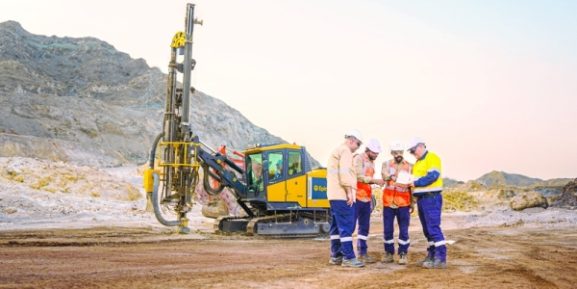
في مقابلة مع The Energy Year، أوضح الرئيس التنفيذي رشيد مجعد استراتيجية الشركة في LNG. وقعت شركة الغاز الوطنية مذكرة تفاهم مع خدمات الطاقة أبراج، وهي شركة عمانية رائدة في خدمات الحفر وآبار النفط، لتسهيل انتقال الطاقة. تتضمن المبادرة تحويل مولدات الديزل في مواقع أبراج إلى نظام وقود مزدوج يعمل بالغاز الطبيعي المسال. من المتوقع أن يقلل هذا التحديث من انبعاثات ثاني أكسيد الكربون بنسبة 30% وتكاليف التشغيل بنسبة 15%.
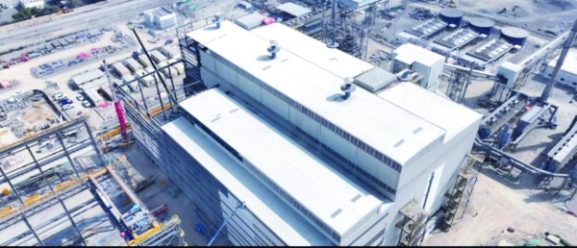
صرح مجعد، “نخطط لاستثمار $100 مليون لبناء منشأة إنتاج LNG الخاصة بنا. ستقوم المنشأة بتوريد الغاز من OQ، المجموعة المتكاملة المملوكة للدولة، وتسييله، وتوزيع LNG إلى مواقع الحفر. ستستوعب وحدات إعادة الغاز المتنقلة، وناقلات الغاز المسال، والمعدات المرتبطة التنقلات المتكررة للمنصات. ستكون أبراج، التي تمتلك حوالي 50% من سوق الحفر في عمان، هي المشتري الرئيسي. في البداية، نهدف إلى تزويد 85 منصة.’
تنتظر الشركة حاليًا الموافقة النهائية على الأسعار من شركة الغاز المتكاملة (IGC)، وهي المجمع والشاحن المملوك بالكامل للدولة للغاز الطبيعي في عمان. عند الموافقة، من المقرر أن يبدأ البناء في الربع الأول من عام 2026، مع جدول زمني للانتهاء يبلغ حوالي عامين. وأكد مجعد أن “الغاز الطبيعي المسال في عمان يتم تصديره بشكل أساسي وليس متاحًا بسهولة للاستخدام المحلي، لذا فإن هذا المشروع يعالج فجوة استراتيجية حاسمة.”
بمجرد بدء التشغيل، سيقدم مصنع الميني-LNG، لأول مرة في عمان، إمدادًا منتظمًا وتوزيعًا محليًا للغاز الطبيعي المسال. يتم توصيله عبر ناقلات طرق معزولة للغاز المسال، يمكن أن يصل LNG إلى المصانع، والمرافق الصناعية، ومحطات الطاقة، والمجتمعات النائية، وعمليات التعدين في جميع أنحاء البلاد.
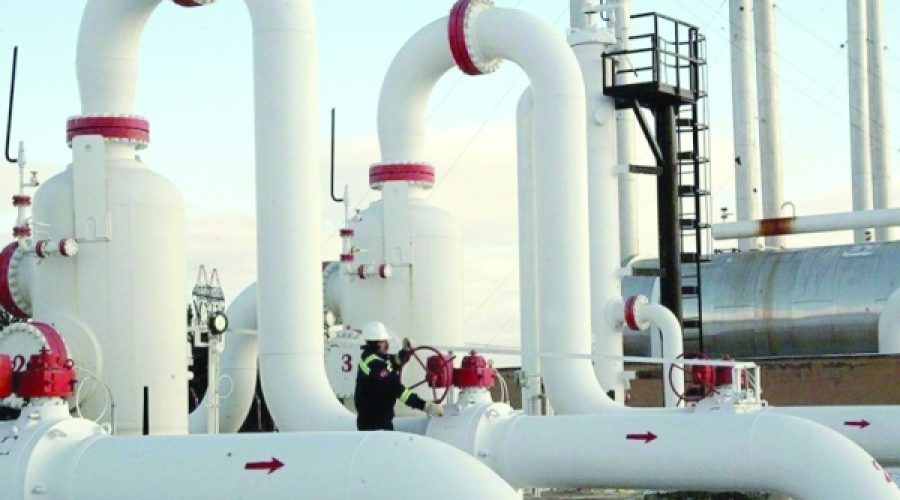
تعكس عملية الإنتاج تلك الخاصة بمصانع LNG الكبيرة، حيث يتم تبريد الغاز المدخل إلى حوالي -162 درجة مئوية. يكمن الاختلاف ليس في الوقود ولكن في الحجم، واللوجستيات، والغرض من سلسلة التوريد. يتضمن تصدير LNG خزانات تخزين كبيرة، وناقلات متخصصة، وتسليم إلى محطات إعادة الغاز قبل دمجها في الشبكات الوطنية. في المقابل، يلغي LNG المنقول بالشاحنات للاستخدام المحلي الحاجة إلى تخزين مكلف، وشحن، وبنية تحتية لإعادة الغاز، مما يوفر حلاً عمليًا وفعالًا من حيث التكلفة.
يتم اعتماد LNG المنقول بالشاحنات على نطاق واسع عالميًا كوسيلة لإزالة الكربون من الصناعات خارج شبكة الأنابيب وتوفير مصدر وقود احتياطي موثوق. يضع هذا المشروع شركة الغاز الوطنية في طليعة مثل هذه الابتكارات في عمان.
تحليل خاص من عمانت | تصفح سوق عُمان
تشير خطة شركة الغاز الوطنية لإنشاء مصنع ميني-LNG بقيمة $100 مليون إلى تحول استراتيجي نحو حلول الطاقة منخفضة الكربون المحلية وتنويع ما وراء إمدادات الغاز البترولي المسال التقليدية. بالنسبة للشركات، فإن هذا يخلق فرصًا لتقليل تكاليف التشغيل وبصمات الكربون, ، خاصة في عمليات منصات النفط والغاز، مع معالجة فجوة حاسمة في توفر الغاز الطبيعي المسال المحلي في عمان. يجب على المستثمرين الأذكياء ورواد الأعمال أن يأخذوا في الاعتبار الإمكانيات للنمو في بنية الغاز الطبيعي المسال المتنقلة والأسواق الجديدة في تقنيات إزالة الكربون مع تقدم عمان نحو أهداف انتقال الطاقة الخاصة بها.