Oil Prices Rise Amid Market Uncertainty: What Investors and Business Owners in Oman Need to Know
Oil prices increased while stock markets mostly declined on Friday, as initial optimism surrounding US President Donald Trump’s decision to postpone his deadline for strikes on Iran’s energy facilities faded. This cautious response came amid global efforts by governments to protect their economies from rising energy costs, which are intensifying inflationary pressures.
President Trump extended the deadline for Tehran to reopen the Strait of Hormuz from Friday to April 6, failing to ignite significant market enthusiasm. Following the announcement, European stock markets fell, with Frankfurt and Paris dropping over 1%, and London down 0.7% by midday. Meanwhile, oil prices rose approximately 2.5%. This contrasted with earlier in the week, when oil prices had sharply plunged and stocks gained after Trump’s first deadline delay.
Deutsche Bank analyst Jim Reid commented, “While the delay might reduce some of the immediate escalation risk, it offers no new visibility on the path towards resolution,” noting that the Strait of Hormuz remains effectively closed.
The US dollar strengthened against major currencies, reflecting its status as a safe-haven asset amid ongoing regional tensions. Trump asserted that Iran seeks to “make a deal” to end the conflict engulfing the area, though Iran continues retaliatory attacks on Israel and other Gulf targets.
Kuwait announced that its main commercial port was damaged in a drone attack. Iran’s Tasnim news agency reported that Tehran has responded to Washington’s 15-point peace proposal and is awaiting a reply. According to an anonymous source cited by Tasnim, Iran’s response demanded an end to US-Israeli attacks on Iranian and allied forces, war reparations, and respect for Iran’s sovereignty over the Strait of Hormuz.
Market analyst Matt Britzman of Hargreaves Lansdown stated, “Words alone aren’t cutting it right now, with the pause on Iran energy strikes failing to lift the mood in any meaningful way. Tangible evidence of progress is what’s needed.”
Investors remain vigilant for signs of further escalation after the Wall Street Journal reported that Pentagon officials are considering deploying up to 10,000 additional ground troops to the Middle East.
Compounding market uncertainty, China announced an investigation into US trade practices in retaliation for recent Washington probes targeting Beijing. Tokyo’s stock market closed lower, while Hong Kong and Shanghai saw modest gains.
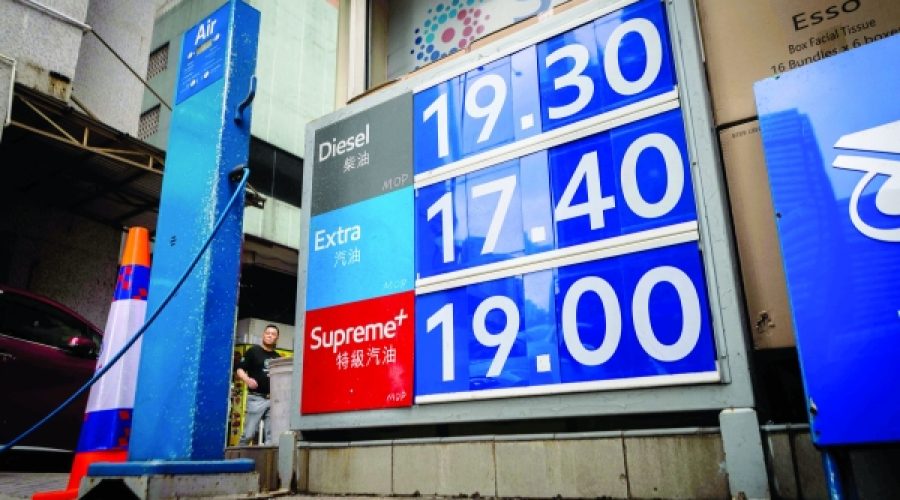
In response to the ongoing Middle East crisis and resulting energy disruptions, governments worldwide have introduced various relief measures. Vietnam temporarily waived its environmental fuel levy, reducing petrol prices by over 25%. India cut fuel taxes, and Japan plans to temporarily ease restrictions on coal-fired power plants to address the energy shortage. Earlier in the week, Spain, Poland, and South Korea also unveiled fuel tax cuts and other support measures.
— وكالة فرانس برس
تحليل خاص من عمانت | تصفح سوق عُمان
The ongoing Middle East tensions and rising oil prices present both a risk and opportunity for businesses in Oman—higher energy costs may strain operations but also boost revenues for oil sector players. Smart investors should مراقبة التطورات الجيوسياسية عن كثب and consider diversifying portfolios to hedge against volatility while leveraging Oman’s strategic position near the Strait of Hormuz. Businesses must also prepare for inflationary pressures impacting consumer demand and supply chain costs.