تعليق العمليات في منشأة حبشان للغاز بالإمارات العربية المتحدة: ماذا يعني هذا لمستثمري وشركات الطاقة في الخليج؟
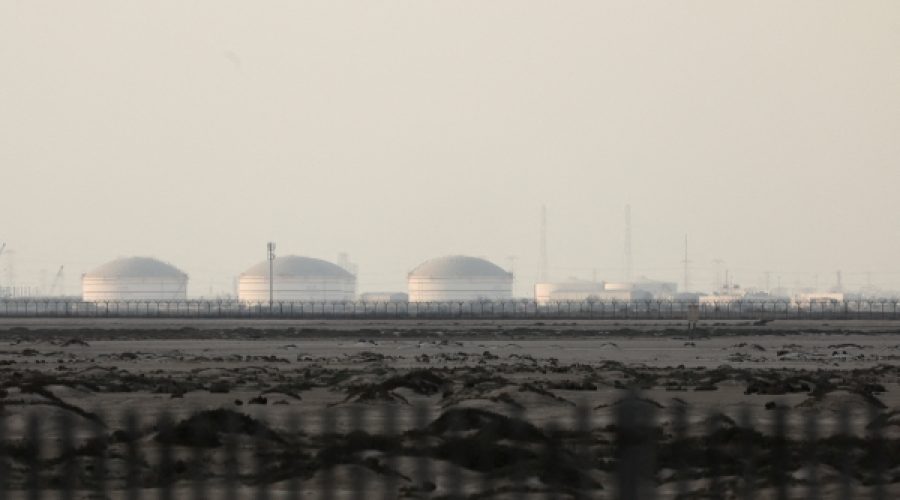
أعلنت حكومة أبوظبي، يوم الخميس، تعليق العمليات في منشأة حبشان للغاز بدولة الإمارات العربية المتحدة، عقب حادثتين نتج عنهما سقوط حطام صاروخي بعد اعتراضه بنجاح. كما استُهدف حقل باب النفطي خلال الهجمات، إلا أنه لم ترد أنباء عن وقوع إصابات.
في وقت سابق، أصدرت إيران تحذيراً بالإخلاء لعدد من المنشآت النفطية في المملكة العربية السعودية والإمارات العربية المتحدة وقطر، معلنة أن هذه المواقع ستستهدف بضربات "في الساعات المقبلة"، كما ذكرت وسائل الإعلام الإيرانية الرسمية يوم الأربعاء.
استمر هذا التصعيد باستهداف إيران لحقل بارس الغازي الضخم يوم الأربعاء، ما يمثل تصعيداً خطيراً في الصراع الأمريكي الإسرائيلي المستمر، والذي تسبب في ارتفاع أسعار النفط. كما شنت طهران هجمات صاروخية على قطر والسعودية، عقب تحذيرها من هجمات مُخطط لها على البنية التحتية للنفط والغاز في منطقة الخليج.
أعلنت شركة قطر للطاقة، الشركة الحكومية القطرية، عن "أضرار جسيمة" جراء صواريخ إيرانية استهدفت مدينة رأس لفان الصناعية، وهي مركز رئيسي للطاقة. في غضون ذلك، اعترضت السعودية ودمرت أربعة صواريخ باليستية كانت متجهة إلى الرياض يوم الأربعاء، إلى جانب إحباطها هجوماً بطائرة مسيرة على منشأة غاز شرقي.
تُهدد هذه التطورات بتفاقم اضطراب إمدادات الطاقة العالمية الهشة أصلاً، مما يزيد الضغوط السياسية على الرئيس الأمريكي دونالد ترامب. والجدير بالذكر أن أسعار الديزل في الولايات المتحدة قد تجاوزت 1.45 جنيه إسترليني للجالون لأول مرة منذ موجة التضخم التي شهدها عام 2022 والتي أثرت على الدعم الشعبي للرئيس السابق جو بايدن.
في تحذير شديد اللهجة صدر يوم الأربعاء، هددت إيران بتدمير صناعات النفط والغاز لدى جيرانها في الخليج، التي تعتبرها مصالح أمريكية، إذا ما تعرض قطاع الطاقة لديها لمزيد من الضرر. وصرح الحرس الثوري: "نحذركم مرة أخرى أنكم ارتكبتم خطأً فادحاً بمهاجمة البنية التحتية للطاقة في الجمهورية الإسلامية، ويجري تنفيذ الرد على ذلك". وأكد البيان كذلك أن أي هجمات متكررة ستؤدي إلى رد "أكثر قسوة" حتى يتم تدمير البنية التحتية المستهدفة تدميراً كاملاً.
تحليل خاص من عمانت | تصفح سوق عُمان
تصاعدت الهجمات الصاروخية التي تستهدف البنية التحتية للطاقة في الخليج، بما في ذلك المنشآت في الإمارات العربية المتحدة والمملكة العربية السعودية وقطر،, يؤكد ذلك على تزايد المخاطر الأمنية الإقليمية التي قد تعرقل قطاع الطاقة الحيوي في سلطنة عمان وطرق التصدير. بالنسبة للشركات، يُؤدي هذا إلى زيادة نقاط الضعف التشغيلية، ولكنه يُتيح أيضًا فرصًا في تقنيات الأمن وتنويع مصادر الطاقة. ينبغي على المستثمرين ورواد الأعمال الأذكياء أن يفعلوا ذلك. إعطاء الأولوية لاستراتيجيات المرونة واستكشاف استثمارات الطاقة البديلة في ظل التوترات الجيوسياسية التي تهدد بإعادة تشكيل مشهد الطاقة في الخليج.