إحياء منزل الشرقي التاريخي في مطرح: ما يعنيه ذلك للسياحة التراثية والاستثمار في سلطنة عمان
مطرح: يُعدّ بيت الشرقي، المعروف أيضاً باسم "البيت الشرقي"، أحد أبرز المساكن التاريخية في ولاية مطرح بمحافظة مسقط. ولعقود طويلة، كان هذا المبنى العريق بمثابة محطة ترحيبية للتجار والزوار في مطرح، المدينة الساحلية الشهيرة بتجارتها البحرية وحيويتها التجارية.
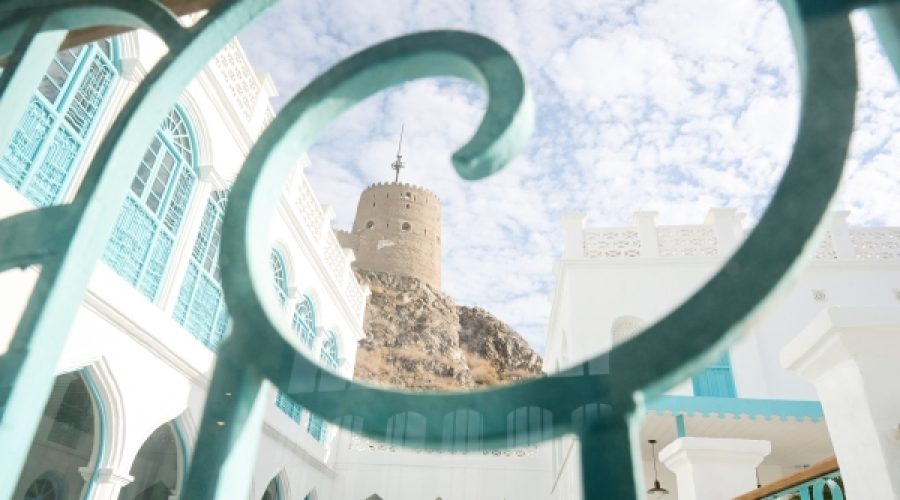
بعد مشروع ترميم شامل بموجب اتفاقية بين وزارة التراث والسياحة وفنادق ومنتجعات جبل الأخضر، تم تجديد بيت الشرقي لاستعادة مكانته البارزة في تراث مطرح ونسيجها العمراني. ويحافظ الترميم على سلامة المبنى المعمارية وموقعه الاستراتيجي بالقرب من قلعة مطرح، مما يضمن استمرار هذا المعلم التاريخي الذي يبلغ عمره قرابة 131 عامًا في تجسيد التراث المعماري الغني للمدينة.
توضح المهندسة حميدة سليمان العزري، مديرة المشاريع وكبيرة المهندسين المعماريين في فنادق ومنتجعات جبل الأخضر، أن المنزل سُمّي بهذا الاسم نسبةً لموقعه شرق مطرح، ويعود تاريخه إلى حوالي عام ١٨٩٥. وقد أمر ببنائه التاجر سعيد بن راشد الزكواني، أحد أفراد عائلة تجارية عمانية مرموقة، تخصصت في تصدير التمور المجففة عبر ميناء "الفردة". وقد اختير الموقع لقربه من الميناء، مما سهّل عمليات التخزين والتصدير على حد سواء، حيث استُخدم الطابق الأرضي لتخزين البضائع. واكتمل بناء المنزل بشكله الحالي في عام ١٩٦٠، بعد أن أشرف على بنائه طالب بن محمد الزكواني.
في أوج ازدهارها، استقطبت الدار كبار الشخصيات والتجار من مختلف محافظات عُمان، ولا سيما الداخلية والباطنة والشرقية. وكانت الصباحات تُختتم بلقاءات في ركن يُسمى "الصباح"، حيث يتبادل السكان الأخبار قبل التوجه إلى السوق. وخلال السنوات الأولى من نهضة عُمان، اتخذت الدار من الدار مقرًا لوزارة الأراضي.
يتميز منزل الشرقي بتصميمه المعماري الفريد الذي يجمع بين أنماط معمارية متنوعة تعكس التأثيرات الثقافية المتعددة لمدينة مطرح. فهو يمزج بين عناصر سكنية تقليدية من مطرح وخصائص شرق أفريقية، مما يبرز الدور التاريخي للمدينة كميناء تجاري نابض بالحياة مرتبط بشبكات التجارة والهجرة في المحيط الهندي. كما تُظهر التفاصيل الزخرفية تأثيرات فارسية وهندية، مما يدل على التبادل الثقافي الغني في تلك الحقبة.
تصف رفيعة إبراهيم البهلاني، المهندسة المعمارية ورئيسة قسم التنفيذ الفني في فنادق ومنتجعات جبل الأخضر، نهج الترميم بأنه يركز على الحفاظ على الطابع المعماري الأصيل للمنزل دون المساس بهويته. وقد جرى ترميم النوافذ والأبواب بعناية باستخدام المواد الأصلية كلما أمكن، مع استبدالها بأخرى مطابقة للأصلية عند الضرورة فقط. وحُفظ التصميم الداخلي وفقًا للترتيبات التاريخية، مع إعادة توظيف بعض المساحات لتخدم وظيفة المنزل الجديدة كوجهة ثقافية. ويوازن المشروع بين الحفاظ على الطابع التاريخي وتوفير تجربة مميزة للزوار.
من أبرز السمات المعمارية لمنزل الشرقي تكيفه مع المناخ البحري. فالفناء المركزي يعزز التهوية الطبيعية ويوفر مساحة مشتركة مظللة. كما تسمح الشرفات والفتحات في التصميم بتدفق نسيم البحر، مما يوفر تبريدًا طبيعيًا دون الحاجة إلى أنظمة تكييف. وتعكس هذه السمات فهمًا عميقًا لظروف المناخ المحلي وأساليب التصميم التقليدية التي كانت تضمن حياة مريحة قبل ظهور التكنولوجيا الحديثة.
يُستخدم المنزل اليوم كمركز ثقافي وترفيهي، ويضم أربع غرف فندقية فاخرة، ومتجرًا للهدايا التذكارية، ومطعمًا، وقاعة متعددة الأغراض. كما يضم أول بئر في مطرح، بُني على تلة وحُفظ كجزء من النسيج التاريخي للمنزل. وهذا ما يضمن بقاء منزل الشرقي كنزًا معماريًا آسرًا للأجيال القادمة.
تحليل خاص من عمانت | تصفح سوق عُمان
يُجسّد الترميم الدقيق لمنزل الشرقي في مطرح التزام سلطنة عمان المتزايد بالحفاظ على التراث الثقافي مع تعزيز التنويع الاقتصادي القائم على السياحة. بالنسبة للشركات، يُبرز هذا فرصة لـ الاستفادة من المواقع التراثية كوجهات ضيافة وتجزئة فريدة من نوعها التي تجذب السياح المهتمين بالثقافات المختلفة. ينبغي على المستثمرين الأذكياء النظر في المشاريع التي تمزج بين تراث عماني أصيل يلبي متطلبات السياحة الحديثة, بينما يمكن لرواد الأعمال استكشاف تجارب الضيافة والثقافة الإبداعية التي تعزز جاذبية مطرح التاريخية، مع تحقيق التوازن بين الحفاظ على التراث والاستخدامات التجارية المبتكرة.