Oman Least Exposed to Strait Disruption: What This Means for Investors and Businesses in Oman
MUSCAT, March 20 — The Sultanate of Oman is anticipated to experience only a limited credit impact from the ongoing conflict involving Iran, according to a recent assessment by Moody’s Investors Service. The report highlights Oman’s distinctive geographic advantage and the potential fiscal benefits arising from higher oil prices.
While escalating tensions and disruptions around the Strait of Hormuz have unsettled Gulf economies, Oman stands out as the least exposed sovereign within the GCC. This is primarily because Oman’s trade routes bypass the strategic chokepoint entirely.
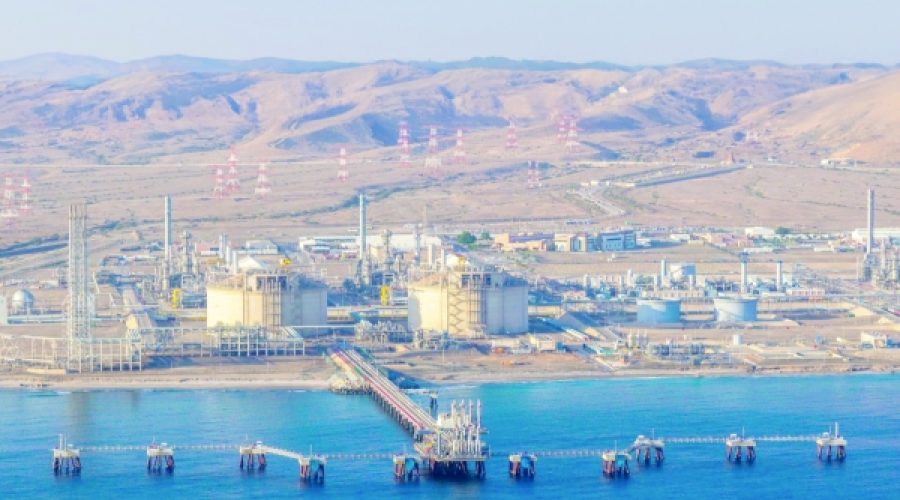
Moody’s analysis, titled Middle East Conflict: Exposures, Mitigants and Buffers Will Differentiate Credit Impact, explains that “Oman is the only Gulf sovereign whose trade, including its hydrocarbon exports, will not be directly affected by the closure of the Strait. This is because all its major ports and oil and LNG export terminals face the Indian Ocean rather than the Gulf.”
The ratings agency further states that Oman’s negative exposure to the Iran conflict is expected to be limited, and the country could benefit from increased hydrocarbon revenues due to recent rises in oil prices, which have surpassed $100 per barrel.
According to the Oman News Agency (ONA), the official price of Oman crude for May delivery dropped to $157.94 today, down $9.02 from yesterday’s historic peak of $166.96. This decline reflects traders taking profits and a easing of short-term fears regarding immediate supply disruptions, despite ongoing geopolitical tensions.
In contrast, Gulf states such as Kuwait, Bahrain, and Iraq depend heavily on the Strait of Hormuz for their imports and exports, making them more vulnerable to potential prolonged disruptions, Moody’s notes.
The report underscores Oman’s minimal direct exposure to trade disruptions, which serves to shield public finances and the balance of payments from the worst impacts of the crisis. Simultaneously, higher oil prices provide a supportive boost to government revenues, partially offsetting regional uncertainties.
Across the GCC, conflict impact varies greatly by fiscal resilience, export infrastructure, and financial buffers. Saudi Arabia and Abu Dhabi are able to partially mitigate risks by redirecting exports through pipelines that avoid the Strait, whereas other producers without such alternatives face increased fiscal pressure amid existing budget deficits.
Moody’s emphasizes that Oman’s advantage is structural rather than financial—it avoids disruption altogether rather than depending on mitigation measures.
Nonetheless, Moody’s cautions that the overall credit impact throughout the region will largely depend on the conflict’s duration and whether critical infrastructure is damaged. A prolonged crisis could undermine investor confidence, disrupt trade flows, and slow economic diversification efforts across the Gulf.
For now, Oman is positioned relatively strongly. Its geographical location, export infrastructure, and exposure profile collectively make it one of the least affected Gulf sovereigns in the current conflict, with elevated oil prices possibly providing a short-term fiscal benefit.
Special Analysis by Omanet | Navigate Oman’s Market
Oman’s unique geographic positioning outside the Strait of Hormuz shields it from direct trade disruptions, offering a distinct strategic advantage amid regional tensions. With rising oil prices, Oman stands to strengthen its fiscal position and public finances, creating opportunities for businesses tied to the hydrocarbon sector. Smart investors and entrepreneurs should leverage this stability to explore energy-related ventures and infrastructure investments, while remaining cautious of potential long-term regional uncertainties that could impact economic diversification efforts.