Conflict Drives Demand for Specialty Tail Risk Insurance: What It Means for Investors and Business Owners
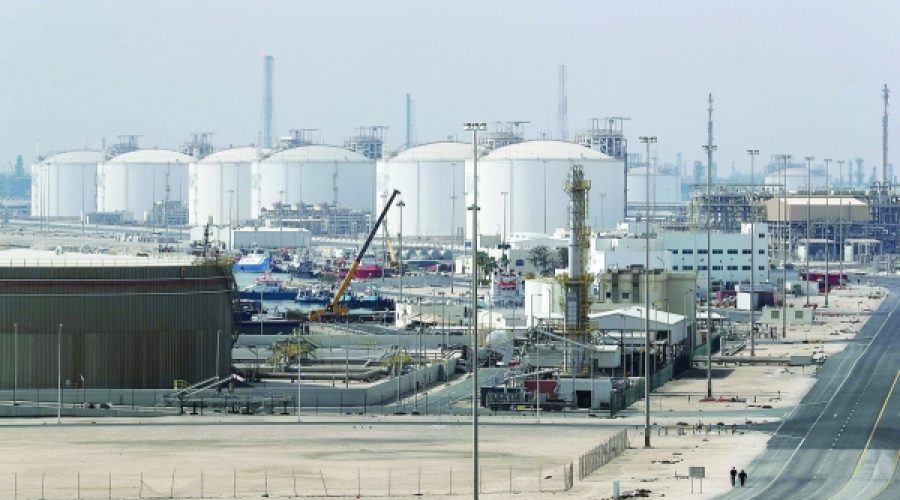
MUSCAT – Experts in the insurance sector are predicting a significant increase in demand for specialty insurance policies covering tail risks following recent drone and missile attacks on key port, maritime, and energy infrastructure throughout the Gulf region.
In a new report, Moody’s Ratings highlighted that the ongoing conflict involving Iran has heightened the exposure to specialty insurance tail risks—events that have a very low probability but could result in catastrophic financial losses if they occur. Such events might include a missile strike on a major port terminal, a large-scale cyberattack crippling national infrastructure, or natural disasters causing extensive property damage. Due to their rarity yet potentially devastating impact, these risks are often excluded from standard policies or covered only with stringent limitations.
Moody’s further explained that specialty insurers and reinsurers, which offer tailored coverage for complex risks like marine, aviation, and political violence, now face a greater likelihood of severe incidents triggering substantial claims as a consequence of the Iran conflict.
Murtadha M J Ibrahim al Jamalani, an independent insurance expert based in Muscat, noted that in Oman, insurance and reinsurance policies for strategic port, maritime, and energy assets typically exclude losses caused by war, strikes, riots, or civil unrest. However, for fixed assets such as refineries and storage facilities, protection against these risks can be added through special endorsements. For movable assets and transport infrastructure—including vessels, aircraft, airports, and seaports—war-related risk coverage is available, usually through specialized war-risk syndicates such as those operating at Lloyd’s of London.
The Moody’s report also anticipates a rising demand across the Gulf for insurance products covering political violence and terrorism (PVT) as well as strikes, riots, and civil commotion (SRCC). These insurance policies are generally issued on an annual basis and rarely include cancellation clauses. While war-related risk exclusions remain standard, the distinction between war, terrorism, and civil unrest is often ambiguous, especially in cases involving coordinated attacks or proxy actors.
Moody’s concluded that the increased demand for such coverage, along with notably higher premiums, benefits insurers’ business volumes in the region but also amplifies their exposure to potential escalation of the conflict.
Special Analysis by Omanet | Navigate Oman’s Market
The heightened geopolitical tensions and recent attacks in the Gulf are driving a surge in demand for specialty insurance that covers rare but high-impact risks such as war, terrorism, and political violence. For businesses in Oman, this means greater costs but also stronger protection opportunities, especially for strategic assets in ports, energy, and maritime sectors. Smart investors and entrepreneurs should consider specialized risk coverage as a vital component of resilience planning, while also monitoring evolving regional dynamics that could affect insurance availability and pricing.