Building a Local Wind Energy Industry: Opportunities and Impact for Investors and Entrepreneurs in Oman
The Sultanate of Oman is advancing its energy transition by establishing a wind turbine manufacturing plant, marking a significant step towards localizing clean technologies and developing sustainable domestic value chains. This initiative aligns with Oman Vision 2040 and the goal of achieving net-zero carbon emissions by 2050.
Oman is focused on building a modern, sustainable energy system that optimizes its natural resources and leverages national talent in the energy sector. The localization of the wind turbine industry supports these objectives by boosting the contribution of renewable energy in the national electricity mix and reducing dependence on imported strategic technologies.
The Special Economic Zone at Duqm (SEZAD) offers exceptional advantages for clean energy development, including abundant wind and solar resources, available land, and robust infrastructure. SEZAD’s strategic plan for 2025-2030 aims to establish Duqm as a premier hub for renewable energy and emerging industries by attracting quality investments.
Oman’s renewable energy sector is currently experiencing rapid growth. In 2025, clean energy sources contributed approximately 9.46% of the electricity transmitted through the national grid, generating 4.26 terawatt-hours. Ongoing and planned projects totaling 7.3 gigawatts are expected to increase installed renewable capacity to around 8.8 gigawatts by 2030, representing nearly 30% of the country’s total electricity capacity. This progress consolidates Oman’s position as a key player in the regional energy transition.
The wind turbine project reinforces Oman’s commitment to a low-carbon economy and strengthens its status as a regional renewable energy hub capable of attracting high-quality investments. It also supports the national economic growth strategy through the In-Country Value (ICV) program by involving Omani companies in a portion of contracted work. This approach will expand opportunities for small and medium-sized enterprises (SMEs), create jobs, reduce import reliance, and promote sustainable development.
Economically, the project aims to reduce wind and solar energy costs below those of new coal and natural gas plants globally. Onshore wind energy costs are projected to fall by an additional 26%, further enhancing Oman’s capacity to provide affordable, clean energy.
A European Union report underscores the project’s broader significance. Beyond electricity production benefits, it emphasizes building national expertise, technology transfer, and establishing a modern industrial base aligned with Oman’s long-term development vision.
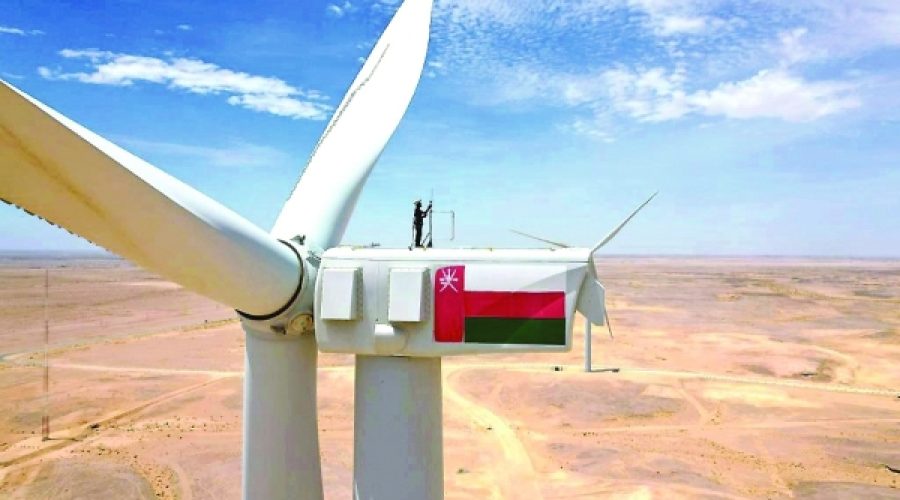
Oman plans to develop five major wind energy projects, leveraging strong wind resources in Dhofar and Al Wusta governorates. These include the Duqm, Dhofar, Mahout, Sadah, and Jaalan Bani Bu Ali wind farms.
Collectively, these projects will reduce Oman’s annual carbon emissions by over 978,000 tonnes and cut reliance on fossil fuels for electricity generation, bolstering energy security and supporting a sustainable future.
Renewable energy experts affirm Oman is making strategic strides toward a sustainable energy transformation, marked by government-backed high-quality projects. These initiatives reflect a clear vision and commitment to diversify energy sources and decrease fossil fuel dependency in line with global climate and energy security trends.
In human resource development, Mawarid Turbine and the National University of Science and Technology recently signed a partnership agreement to train about 321 Omani graduates. This national cohort will receive specialized industrial training in wind turbine manufacturing, preparing them to work at Mawarid Turbine’s factory under construction in Duqm SEZ.
This first-of-its-kind training program not only supports employment but also strengthens local content by embedding knowledge and technology within Oman’s renewable energy value chain. It aligns with Oman Vision 2040 priorities by fostering long-term national capabilities and economic diversification.
Special Analysis by Omanet | Navigate Oman’s Market
Oman’s initiative to establish a wind turbine manufacturing plant within the Duqm Special Economic Zone marks a strategic leap towards sustainable industrial diversification and energy independence. For businesses, this presents vast opportunities to engage in burgeoning clean energy supply chains and capitalize on government-backed localization programs. Smart investors and entrepreneurs should focus on emerging renewable infrastructure, skilled workforce development, and leveraging Oman’s ambition to become a regional clean energy hub, positioning themselves to benefit from long-term growth and competitive advantages in a transitioning energy landscape.