Iron Ore Miners Brace for Billions in Increased Fuel Costs: What This Means for Investment Strategies in Oman
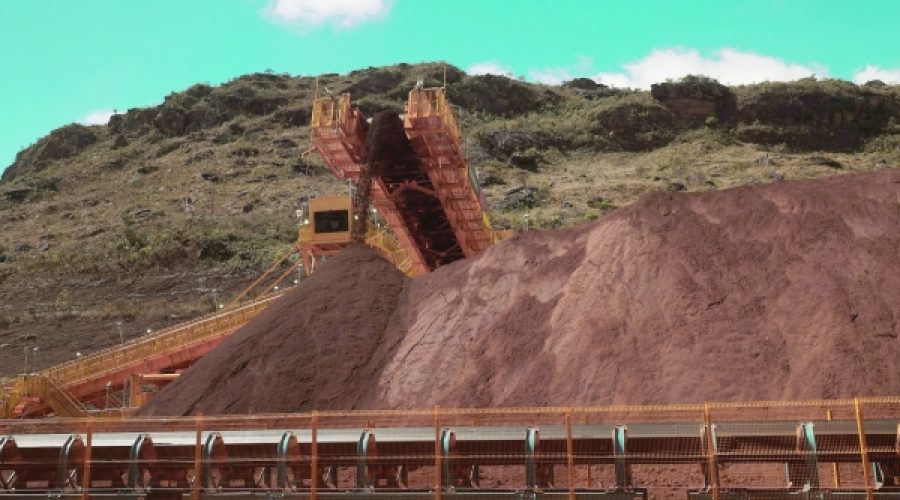
BEIJING: Iron ore miners face the potential for billions in increased fuel costs if diesel prices continue to rise, according to a senior executive at Australia’s Fortescue Metals Group.
The ongoing US-Israeli conflict with Iran has nearly halted shipments through the strategic Strait of Hormuz, leading to rising oil and gas prices and a tighter supply of diesel, which is crucial for the mining sector’s transportation needs. As of Monday, benchmark Singapore diesel swaps were trading at over $180 per barrel, a significant increase from $92.50 per barrel before the outbreak of hostilities, according to LSEG data.
Dino Otranto, Fortescue’s metals and operations CEO, stated in an interview that “a 10-cent change in the price of diesel impacts us by $70 million.” He added that for major competitors in the industry, every 10-cent fluctuation results in a half billion dollar impact on their cost structure.
While Fortescue sources most of its fuel from Southeast Asia, Otranto expressed confidence in its current fuel stocks as long as the situation in Iran does not escalate further.
As the fourth-largest iron ore supplier globally, Fortescue has set ambitious decarbonization targets among major Australian miners, a strategy that Otranto noted has already delivered fuel cost savings. He projected that the company would save at least $100 million on diesel expenses over the next year due to its commitment to electrifying operations with renewable energy, aiming to reduce diesel consumption by one billion liters over the coming years.
“We announced a very aggressive decarbonization agenda some years ago,” he remarked. “For a number of years, that plan faced criticism, but the tides are shifting… our shareholders are now urging us to accelerate these efforts.”
Additionally, Fortescue is engaged in ongoing discussions with China’s state iron ore buyer, China Mineral Resources Group, which Otranto characterized as dynamic and cooperative. — Reuters
Special Analysis by Omanet | Navigate Oman’s Market
The ongoing US-Israeli war on Iran is creating a significant risk for businesses in the region, particularly those reliant on diesel, as rising fuel costs can drastically impact operational expenses. For investors and entrepreneurs, this situation underscores the need to explore renewable energy solutions to mitigate risks associated with fuel price volatility while capitalizing on potential opportunities in decarbonization initiatives. As global dynamics shift, strategic positioning in sustainable practices may not only safeguard against fluctuations but also attract investor interest in a more eco-conscious market landscape.