GCC Accelerates Clean Energy Growth: Implications for Investors and Entrepreneurs in Oman
MUSCAT: The Gulf Cooperation Council (GCC) has made notable strides in renewable energy and climate resilience, as detailed in the Statistical Centre for the Cooperation Council for the Arab Countries of the Gulf’s 2024 climate report. This report indicates marked changes in weather patterns and sustainability initiatives throughout the region.
Notably, rainfall levels have increased by 49.4 percent in 2024 compared to the long-term average from 1980 to 2010, signaling significant shifts in regional climate trends. In contrast, data from 23 approved monitoring stations showed consistent maximum temperatures, which have remained below 49°C from 2012 to 2024.
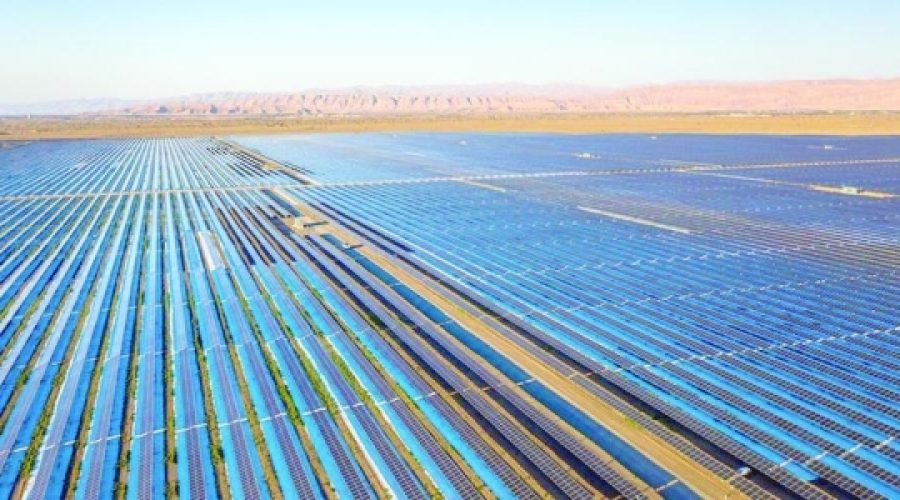
The report emphasizes the rapid expansion of solar energy, with installed capacity surging at an annual rate of 88.1 percent from 2013 to 2024. Electricity generation from solar sources climbed dramatically from 0.13 thousand gigawatt-hours in 2013 to 23.5 thousand gigawatt-hours in 2023. Additionally, wind energy capacity expanded significantly, rising from 4.8 megawatts in 2015 to 567 megawatts in 2024.
All GCC countries have implemented advanced mobile early warning systems using cellular broadcasting technology, enhancing their preparedness for extreme weather events. Climate change and adaptation education has also been integrated into school curricula, reflecting a concerted effort to elevate environmental awareness.
On the international stage, GCC nations have reaffirmed their commitments under the United Nations Framework Convention on Climate Change by submitting a total of 16 reports by November 2025. Their net-zero targets vary, with Oman aiming for 2050 in the oil and gas sector and other countries targeting 2060 for different sectors.
The report also notes an increasing dependency on China for clean energy technologies, with photovoltaic imports from the country representing 99.4 percent of total GCC imports in 2024, amounting to $2.4 billion. These findings illustrate a unified regional approach to sustainability that seeks to harmonize economic growth with environmental responsibility. — ONA
Special Analysis by Omanet | Navigate Oman’s Market
The GCC’s significant advancements in renewable energy and climate resilience present both opportunities and challenges for businesses in Oman. As solar and wind energy capacity expand, smart investors should consider investing in green technologies and collaborating with international partners, particularly from China, to harness these trends. However, the rising importance of climate adaptation efforts necessitates a proactive approach, as companies must align their strategies with the region’s sustainability goals to mitigate potential risks.