India’s Ambitious Steel Emissions Goal: How a 25% Cut and Capacity Doubling Can Impact Global Markets
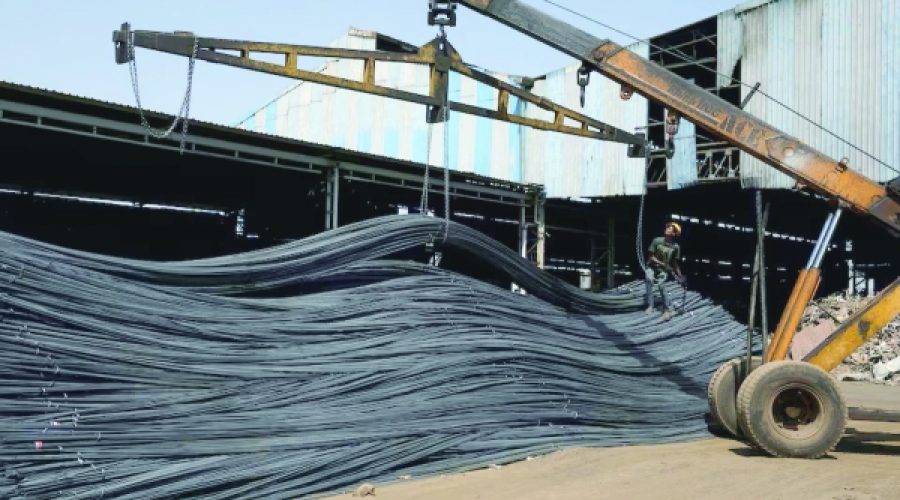
New Delhi – India’s steel industry aims to reduce carbon emissions by approximately 25% over the next decade while simultaneously decreasing its dependence on coal. This initiative forms part of the “National Steel Policy 2025,” which seeks to more than double the country’s steel output.
According to a draft cabinet note dated March 10 and reviewed by Reuters, the target is to decrease emissions from steel mills to 2 metric tons of carbon dioxide per ton of finished steel by 2035-36. Currently, steelmakers in India emit about 2.65 tons of carbon dioxide per ton of finished steel, which is around 32% higher than the global average of 2 tons. The industry contributes to 10-12% of India’s total emissions.
India is also responding to the European Union’s carbon border tariff, implemented in January, which imposes fees on imports of high-carbon goods such as steel and cement. This situation has prompted India to explore alternative export markets.
The proposed policy advocates for gas-based steelmaking, increased utilization of steel scrap, and incentives aimed at continuous emission reduction. Additionally, it seeks collaboration with the oil ministry to secure gas supplies and establish partnerships.
Despite these ambitions, the document reveals that only 21% of blast furnace capacity and 5% of direct reduced iron (DRI) capacity currently have access to gas pipeline infrastructure.
“As steelmaking capacity grows, decarbonizing the sector is crucial for meeting India’s net-zero emissions target by 2070,” the document states.
Supported by rapid economic growth and rising infrastructure investment, India plans to expand its crude steel capacity to 400 million tons by 2035-36, up from approximately 168 million tons today. The nation also aims to more than double its steel exports to 20 million tons.
This capacity expansion is expected to create jobs in the steel sector, which currently employs 2.8 million individuals and represents 2.5% of India’s nearly $4 trillion economy. To achieve its goal of 400 million tons of crude steel capacity, the country will require an investment of around 17 trillion rupees (approximately $183.41 billion), potentially generating over 3 million additional jobs by 2035-36.
Furthermore, the policy aims to reduce reliance on coking coal—an essential raw material—from 90% to 80% by 2035-36. India has identified 19 countries for potential collaboration, including Australia, Russia, Japan, Germany, and the United States.
Reuters
Special Analysis by Omanet | Navigate Oman’s Market
India’s ambitious “National Steel Policy 2025” presents significant opportunities for businesses in Oman looking to tap into India’s expanding steel market, especially as decarbonization efforts open avenues for innovative partnerships. Entrepreneurs and investors should consider strategic collaborations with Indian steel producers to align with the region’s shift towards sustainable practices, while also exploring potential export markets as India’s reliance on coal decreases. This landscape poses both a risk and an opportunity for those willing to adapt to evolving environmental standards and capitalize on emerging demands.