Impact of Iran War on Regional Economies: What Investors and Business Owners in Oman Need to Know
LONDON/COLOMBO/ISLAMABAD: Sanoj Weeratunge, owner of a Sri Lankan tour company, had hoped this year would mark a recovery from the country’s prolonged crises. However, the outbreak of war in Iran, over 2,700 miles away, coupled with a 35% hike in fuel prices by the Sri Lankan government, has triggered a nearly 30% drop in business. Speaking from his Colombo office, Weeratunge said, “We have had a very difficult road over the past six years to recover and were very hopeful that this would finally be the year where we reach pre-COVID levels. But now this economic shock will affect us.”
Sri Lanka, along with Egypt and Pakistan, is part of a group of lower-income, crisis-affected countries now facing renewed hardships as soaring energy import costs—exacerbated by the conflict—strain their fragile economies. Following a tentative ceasefire in the Gulf region this week, Colombo has reinstated fuel subsidies and secured a temporary easing of its International Monetary Fund (IMF) bailout conditions to gain some financial relief.
Next week, other nations are expected to seek similar support during the IMF and World Bank’s spring meetings in Washington. IMF Managing Director Kristalina Georgieva stated on Thursday that the institution is prepared to provide between $20 billion and $50 billion in emergency funding to address the crisis.
Former Pakistan central bank governor Reza Baqir, now a debt-distress advisor, highlighted how the conflict has impacted vulnerable countries on multiple fronts. A 40% rise in oil prices has ballooned import costs just as remittances from expatriates in the Gulf are expected to decline, tightening overall economic conditions.
As current account deficits grow and currencies weaken—Egypt’s pound, for example, has fallen over 10% since the war commenced—payments in dollar-denominated oil, food, fertilizer, and debt become increasingly expensive. These countries must cover these costs through dwindling foreign currency reserves, increased borrowing, or by cutting other imports.
Baqir emphasized the need for a credible commitment from institutions like the IMF to backstop these nations, urging swift action. Pakistan’s foreign reserves stood at $16.4 billion gross at the end of March, insufficient for three months of essential imports. Accounting for the central bank’s foreign currency liabilities renders the position negative, according to JPMorgan. Meanwhile, fuel prices in Pakistan have recently risen for the second time, schools were closed for half of March, government departments are working four-day weeks, and purchases of new furniture and air conditioners have been banned.
Adding to Islamabad’s challenges is the impending $3.5 billion loan repayment to the United Arab Emirates, which could deepen fiscal strain given Pakistan’s $7 billion IMF program. Former IMF official Jeff Franks suggested Pakistan and Egypt will stress the severity of the shock to IMF leaders during upcoming meetings.
Local populations in Pakistan and similar countries are feeling the pinch. Karachi-based food delivery driver Maviq Hussain remarked, “Everything has become expensive. It’s difficult to manage daily expenses.”
Egypt faces additional pressure from a hit to tourism, which generated $19 billion last year, alongside potential adverse effects on the Suez Canal and a heavy debt load expected to consume 60% of government revenues this year. With nearly $30 billion in payments due, representing more than half of Egypt’s foreign exchange reserves, Moody’s noted an $8 billion outflow of foreign investor funds since the conflict began.
The IMF commended Cairo’s decision to allow its currency to act as a “shock absorber,” yet the doubling of Egypt’s energy import bill signals the country may be among the busiest in Washington next week. Franks cautioned, “It is in no one’s interest to be rigid in the conditionality and allow these countries to fail.”
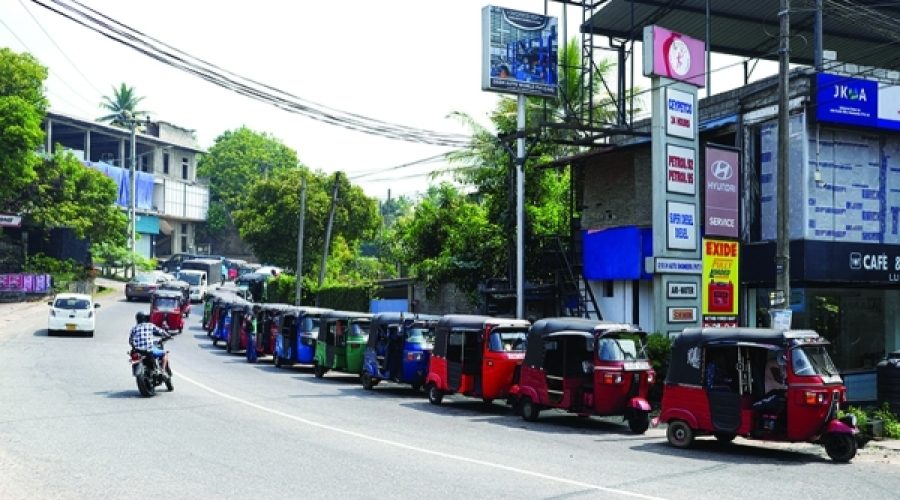
On the ground, weary citizens hope for relief from the mounting pressures. Sri Lankan father of three Kelum Dissanayaka wakes at 4 a.m. to work as a ride-hailing and delivery driver but struggles due to escalating costs and fuel rationing, forcing him to skip his tuk-tuk lease payments for two consecutive months. “It’s very difficult to live,” he said.
— Reuters
Special Analysis by Omanet | Navigate Oman’s Market
The rising energy costs and economic shocks impacting crisis-prone countries like Sri Lanka, Egypt, and Pakistan underscore the vulnerability of energy-dependent economies to geopolitical instability and global price volatility. For businesses in Oman, this signals the need to diversify supply chains and build financial resilience against external shocks. Smart investors and entrepreneurs should consider opportunities in sectors that benefit from energy transition and explore strategic partnerships that mitigate risk from volatile global markets.