Driving Digital Transformation: How Oman’s Shift Could Enhance Your Business in the Logistics Sector
As the logistics sector in the Sultanate of Oman undergoes continuous transformation, it is emerging as a vital component for both domestic and international trade, enhancing the country’s competitiveness on regional and global stages. The Directorate General of Customs plays a crucial role by improving customs procedures, leveraging modern technologies, and enhancing the skills of human resources.
These initiatives ensure the efficient and flexible movement of goods, while adhering to international standards for control, inspection, and supply chain protection. They demonstrate Oman’s commitment to advancing its logistics sector, serving the national economy, and reinforcing its status as an advanced trade and logistics center. Furthermore, these measures highlight the capability of Omani Customs to adapt to digital advancements, aligning its services with the requirements of contemporary global trade.
Digital Transformation and Customs Efficiency
The General Administration of Customs is implementing a comprehensive strategy that converts customs operations into an integrated electronic system, prominently featuring the Bayan system. This system links 74 government entities and provides over 490 electronic services to the business community, eliminating the need for physical visits to customs ports.
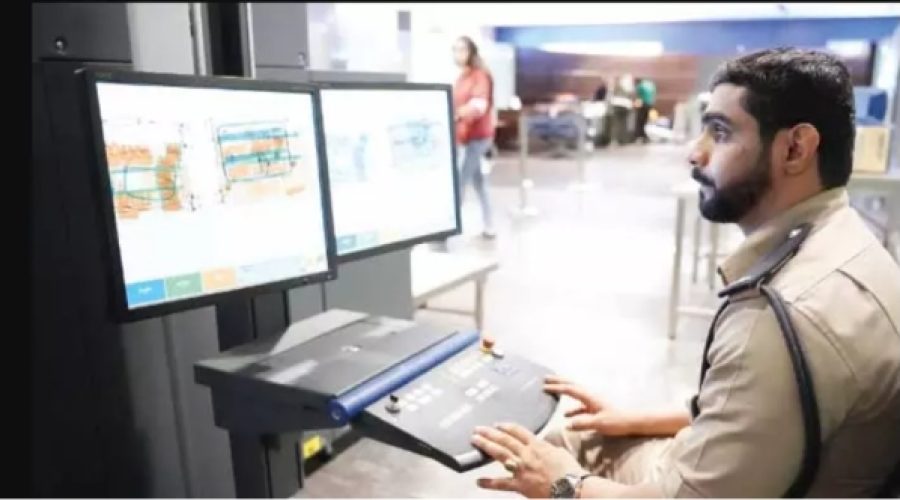
Included within this system are pre-clearance services, electronic tax payments, clearance with bank guarantees, temporary import services, and goods splitting. It also employs a risk management system and state-of-the-art inspection technology to identify prohibited or counterfeit items. These efforts have successfully reduced customs clearance times, achieving unprecedented performance metrics.
The move towards digital customs underscores the importance of connecting customs information systems with other governmental and logistical entities. This integration ensures a seamless flow of data, enhances transparency, and minimizes operational risks, while enabling real-time monitoring of customs operations, which aids faster and more accurate decision-making.
Upgrading Port Infrastructure and Facilitating Trade
Omani ports, particularly Sohar Port, have seen significant infrastructure advancements, including the modernization of customs inspection systems through electronic risk management and the development of an efficient customs audit system. These upgrades have bolstered the competitiveness of Omani ports and expedited customs procedures, positioning the Sultanate favorably in cross-border trade metrics.
The administration is also concentrating on refining control mechanisms and simplifying customs processes, especially concerning high-risk and dual-use goods. Staff training on international best practices and accurate goods classification further accelerates the release of cargo while ensuring compliance with international laws and agreements.
Secure Customs Corridor and Advanced Logistics Initiatives
The Directorate General of Customs enhances logistical integration through various initiatives, particularly the Secure Customs Corridor that connects ports with free zones and investment warehouses. This corridor has significantly reduced time and costs, enhancing the competitiveness of the transport and trade sectors.
The establishment of duty-free investment warehouses permits the long-term storage and re-export of goods. Meanwhile, the Authorized Economic Operator (AEO) program fosters strong partnerships with the private sector, promotes compliance with customs regulations, and mitigates supply chain risks. Additionally, the activation of the Electronic Air Waybill and the TIR system streamlines the transit of goods, reducing the need for frequent port stops and accelerating the flow of goods, thus strengthening Oman’s trade connectivity with global markets.
Improving the Customs Work Environment and Transparency
The Directorate General of Customs is committed to enhancing the working environment at customs ports, expediting processes, and facilitating the release of goods to bolster local and international trade. Ongoing collaboration with the private sector facilitates swift problem resolution, creating a more attractive investment climate.
Customs tariffs have been updated to align with international standards, and goods classification has been simplified, which enhances transparency and minimizes errors in customs duty assessment. Continuous training for customs personnel boosts compliance with international standards, ultimately supporting the logistics sector and maximizing economic benefits.
Strategic Partnerships Between Public and Private Sectors
The Directorate General of Customs is cementing its position as a strategic partner in enhancing Oman’s logistics sector through procedural improvements, digital solutions, and strengthened public-private sector integration. These initiatives not only facilitate international trade but also safeguard the national economy and promote sustainable development. They further elevate Oman’s status as a promising regional logistics hub, capable of competing with both regional and global markets in transport and customs clearance efficiency.
Special Analysis by Omanet | Navigate Oman’s Market
The ongoing transformation of Oman’s logistics sector represents a significant opportunity for businesses, enhancing trade efficiency and competitiveness at both regional and international levels. As the Directorate General of Customs implements advanced digital platforms like the Bayan system, investors should leverage these streamlined processes to minimize operational risks and boost supply chain effectiveness. Smart entrepreneurs must now focus on aligning their operations with these advancements to gain a competitive edge in the rapidly evolving marketplace.