Sohar Port’s Integration of Hydrogen and Carbon Capture: Key Insights for Investors in Oman’s Energy Transition
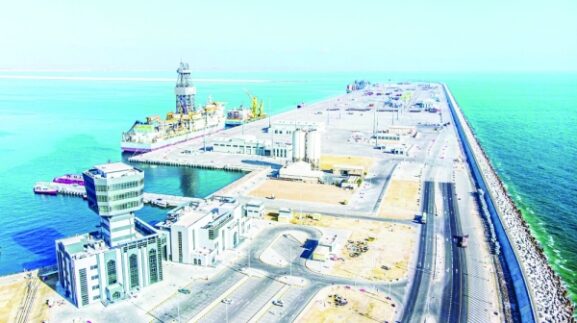
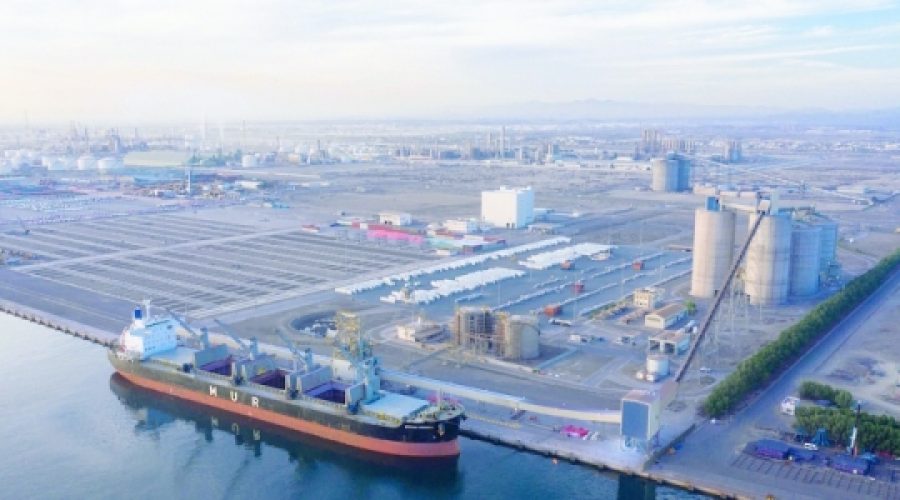
MUSCAT, APRIL 24 — Sohar Port and Freezone is actively implementing a comprehensive decarbonization and energy efficiency strategy, complete with specific targets and timelines. This initiative is part of its commitment to facilitate Oman’s transition to a low-carbon industrial economy.
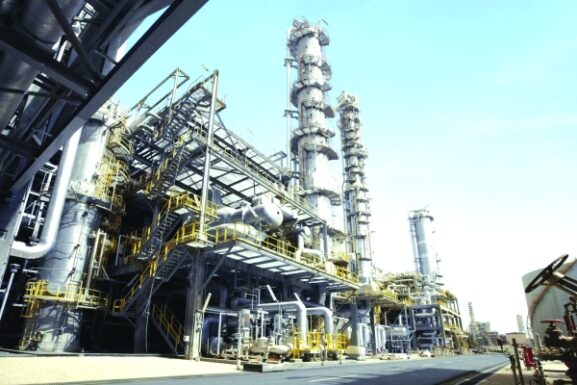
At the heart of this strategy is a significant emphasis on hydrogen and clean energy. Sohar Port aims to emerge as a clean hydrogen hub, fostering industrial decarbonization and preparing for future exports. Plans are in place to develop a 100 MW electrolysis pathway, supported by necessary infrastructure. Additionally, the port is advancing hydrogen value chains, including the exploration of natural (white) hydrogen where feasible, to foster a regional hydrogen ecosystem.
In line with these developments, Sohar Port intends to source 30% of its energy from clean sources within five years. This goal will be supported by the installation of solar photovoltaic systems on rooftops and available land.
The port is also investigating hydropower generation through its water canal network, presenting an innovative and site-specific renewable energy solution to diversify its energy portfolio.
Building upon these initiatives, the port is intensifying efforts toward industrial decarbonization and circular practices. A core objective is the potential capture of 1–2 million tonnes of CO₂ annually by 2032 through cluster-based carbon capture solutions. Additionally, the port is promoting industrial symbiosis, converting by-products into valuable inputs while incorporating circular economy principles to minimize waste and enhance resource efficiency.
Moreover, Sohar Port aims to achieve a 20% reduction in electricity consumption within the next five years. This will be accomplished through a combination of retrofitting and smart technology, including upgrades to LED lighting with sensor controls, optimization of cooling and HVAC systems, and the implementation of waste-heat recovery solutions, all aimed at reducing emissions and driving cost efficiencies.
Efforts are also being made to decarbonize logistics and shipping operations. Under the green logistics program, the port is focused on mitigating landside emissions by transitioning fleets and enhancing operational efficiencies through the adoption of electric and hybrid vehicles. The digitalization of freight operations is being leveraged to minimize idle time and improve turnaround efficiency.
On the maritime front, Sohar Port is implementing shore-to-ship power solutions, enabling vessels to plug in while at berth and significantly reduce emissions. The port is also endorsing the use of lower-carbon marine fuels, such as biofuels and LNG, as transitional options, and is incentivizing the adoption of greener vessels through frameworks like the Environmental Ship Index.
Special Analysis by Omanet | Navigate Oman’s Market
Sohar Port’s ambitious decarbonisation strategy represents a significant opportunity for businesses in Oman to align with the global shift towards sustainable practices. With the focus on clean hydrogen and circular economy initiatives, savvy investors should consider positioning themselves in renewable energy sectors and smart technologies that support this transition, while also recognizing the risks associated with evolving regulatory landscapes and competitive pressures in clean tech. As Oman advances toward a low-carbon economy, stakeholders need to embrace innovation and strategic partnerships to stay ahead of the curve.