Budget Airlines Cut Flights Amid Soaring Jet Fuel Prices: What This Means for Your Business and Travel Investments
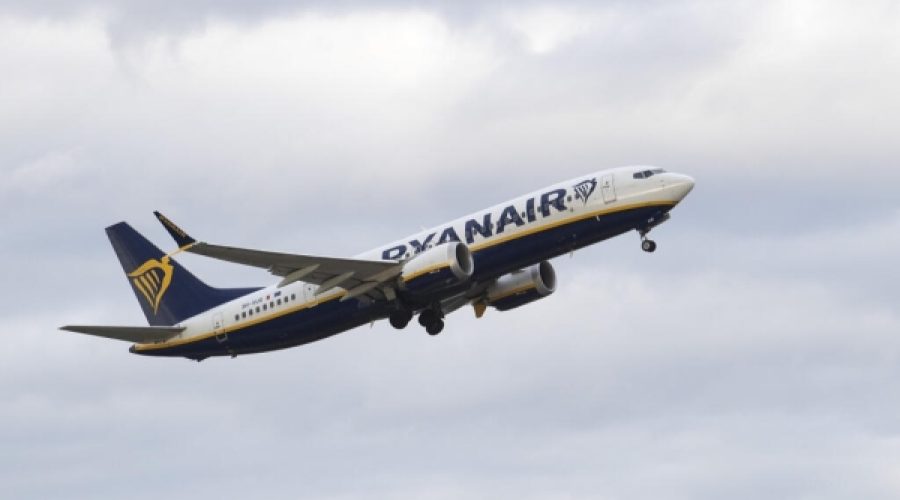
Several low-cost airlines, including Ryanair, Transavia, and Volotea, are experiencing financial strain due to soaring jet fuel prices triggered by the Middle East conflict, leading them to reduce flight schedules. The closure of the Strait of Hormuz has significantly cut oil supplies, causing jet fuel prices to surge and raising concerns about potential shortages that may force further flight cancellations.
Airlines are proactively responding to these challenges. Travel Therapy TV host Karen Schaler recently warned travelers on Instagram that thousands of flights are being cut and urged early bookings. Ryanair’s CEO Michael O’Leary has similarly expressed concern that fears of fuel shortages are deterring customers from booking flights.
Low-cost carriers, which account for just over a third of the global market, are particularly vulnerable due to their business model. They operate with lower ticket prices, leaving little room to absorb higher fuel costs. Some flight reductions reflect typical seasonal adjustments when demand falls short of expectations, noted Dudley Shanley, a financial analyst at investment bank Goodbody. However, if jet fuel prices remain elevated, he warned, further cuts will be necessary for low-cost airlines.
Before the conflict, airlines sometimes operated marginally profitable or loss-making routes. The recent jet fuel price surge is forcing tough decisions, especially as the peak summer travel season approaches. The EU’s Energy Commissioner Dan Jorgensen cautioned that many travelers are likely to face cancellations or significantly higher ticket prices.
The speed of airlines’ reactions partly depends on whether they secured fuel at fixed prices in advance—a practice more common among European carriers.
Air Transat, a Canadian low-cost airline, has reduced its May-October schedule by six percent. Southeast Asia’s largest low-cost airline, AirAsia X, also announced additional flight cuts and fare increases of up to 40 percent earlier this month, having already reduced about ten percent of its flights.
Hungarian low-cost carrier Wizz Air has avoided cutting capacity, with CEO Jozsef Varadi stating, “You don’t have to run faster than the bear, but faster than the guy next to you,” implying a strategy to maintain competitiveness amid widespread reductions.
In contrast, larger carriers like Germany’s Lufthansa have implemented substantial cuts, slashing 20,000 flights through October and suspending its regional feeder airline CityLine. France’s Air France-KLM has reduced flights by two percent at its low-cost Transavia subsidiary for May and June, while KLM itself has limited cancellations to one percent of European flights.
Ryanair recently announced it would reduce flights to and from Berlin starting in October, attributing the cuts to high costs and taxes rather than fuel prices. It is also decreasing flights from Dublin by 10 percent, citing limited airport capacity. Spain’s Volotea has trimmed nearly one percent of its summer schedule since the start of the month.
Overall, continued high jet fuel prices are forcing low-cost airlines to tighten their operations, affecting flight availability and potentially increasing travel costs for passengers in the crucial summer travel period.
Special Analysis by Omanet | Navigate Oman’s Market
The soaring jet fuel prices caused by the Middle East conflict present significant operational challenges and cost pressures for low-cost airlines, potentially leading to flight cancellations and higher ticket prices. For businesses in Oman, this signals risks in travel-dependent sectors like tourism and hospitality, but also opportunities for investors and entrepreneurs to innovate in fuel efficiency, alternative travel solutions, and logistics optimization. Smart players should closely monitor fuel price trends and diversify their portfolios to hedge against prolonged volatility in air travel demand.