UAE Exiting OPEC and OPEC+: What Investors and Businesses Need to Know About the Impact on Oil Markets and Opportunities
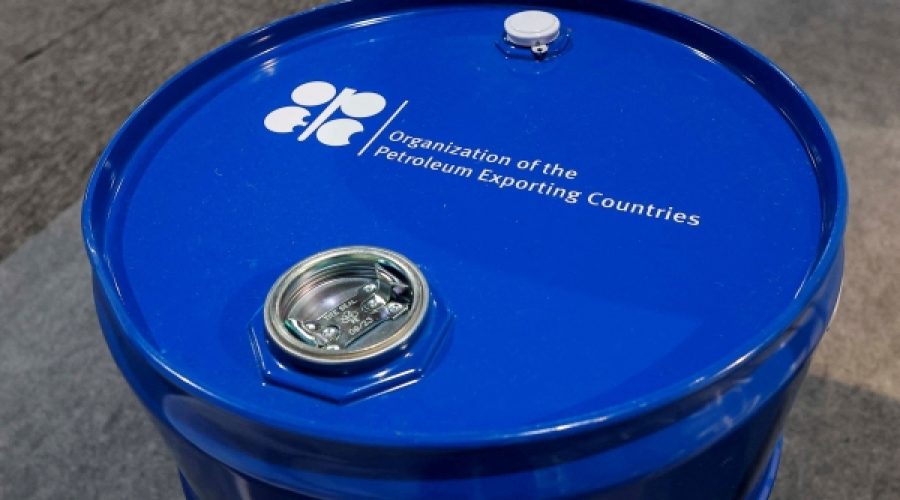
The United Arab Emirates (UAE) announced on Tuesday its decision to withdraw from OPEC and OPEC+, delivering a significant setback to these oil-exporting alliances and their de facto leader, Saudi Arabia. This move comes amid a historic global energy shock triggered by the ongoing conflict involving Iran, which has disrupted the global economy.
As a longstanding member of OPEC, the UAE’s departure could cause disarray within the organization and weaken its traditionally unified stance, despite internal disagreements over geopolitical issues and production quotas.
UAE Energy Minister Suhail Mohamed al-Mazrouei stated the decision followed a thorough review of the country’s current and future energy strategies. When asked if the UAE consulted Saudi Arabia or any other country prior to the announcement, he confirmed no such consultations occurred. “This is a policy decision made after careful consideration of production levels and energy policies,” he said.
The Gulf producers, including the UAE, have faced challenges exporting oil through the Strait of Hormuz—a crucial chokepoint between Iran and Oman through which about 20% of global crude oil and liquefied natural gas typically passes—due to Iranian threats and attacks on shipping vessels. Mazrouei indicated that the UAE’s exit would not cause a major impact on the oil market given the existing obstacles in the Strait.
President Donald Trump welcomed the UAE’s move, having previously criticized OPEC for allegedly inflating oil prices to the detriment of the global market.
Industry experts provided varied insights into the implications of the UAE’s departure:
– Gary Ross, CEO of Black Gold Investors, noted that the UAE has been producing near its maximum capacity while ignoring quotas, making Saudi Arabia the main country with spare capacity within OPEC. He remarked that Russia’s involvement helps somewhat contain supply expansion.
– Michael Brown, Senior Research Strategist at Pepperstone, emphasized that immediate market effects would likely be limited. He highlighted that ongoing conflict and Strait of Hormuz closures mean the main challenge lies in shipping oil rather than production levels. Brown added that the UAE’s pre-conflict goal of 5 million barrels per day by 2027 might now be easier to achieve, potentially stabilizing crude prices once the Middle East conflict ends.
– Ole Hansen from Saxo Bank said the market could absorb the UAE’s increased supply in the short to medium term due to depleted inventories and the need to rebuild reserves. However, he cautioned that if other producers prioritize market share above quota discipline, OPEC’s ability to manage orderly markets may be undermined.
– Jan von Gerich, Chief Markets Analyst at Nordea, stated the UAE’s intent to increase production is likely to weigh on oil prices, which he believes will reduce OPEC’s price control once the Iran situation normalizes.
– Monica Malik, Chief Economist at ADCB, sees the exit as an opportunity for the UAE to expand its global market share post-conflict and views the development as beneficial for consumers and the broader global economy.
– Jorge Leon, analyst at Rystad Energy, described the withdrawal as a pivotal shift, noting that the UAE, alongside Saudi Arabia, is among the few OPEC members with significant spare capacity—an essential factor in market influence. He warned that the long-term effect may be a structurally weaker OPEC and a potentially more volatile oil market.
– Ajay Parmar, Director of Energy and Refining at ICIS, observed that the UAE’s divergence from OPEC policy has been ongoing and predicted the move will have significant long-term consequences. He also pointed to a weakening alliance between the UAE and Saudi Arabia.
– Sergey Vakulenko, former Gazprom Neft executive at Carnegie Russia Eurasia Center, explained that the UAE’s plan to boost production by up to 30% would be difficult under OPEC restrictions. He suggested the timing of the announcement is strategic, given current high oil prices and supply shortages due to the Hormuz closure. Vakulenko also stated that without the UAE, OPEC’s strength diminishes considerably, especially since other major producers like Iran and Iraq lack substantial spare capacity.
The UAE’s exit marks a major turning point in the dynamics of global oil production and supply management, with wide-ranging consequences for OPEC, the energy market, and geopolitical relations in the Gulf region.
Special Analysis by Omanet | Navigate Oman’s Market
The UAE’s exit from OPEC and OPEC+ signals a major shift in regional energy dynamics, weakening the cartel’s ability to control oil supply and prices. For Oman, this creates both opportunities to capitalize on increased production and market share as the Gulf’s energy landscape evolves, and risks from potential market volatility and geopolitical tensions around the Strait of Hormuz. Smart investors and entrepreneurs should now closely monitor shifts in production policies and regional stability, positioning themselves to leverage growing energy demand post-conflict while hedging against supply disruptions.