Strait of Hormuz Shipping Halt: What This Means for Trade and Investment in Oman
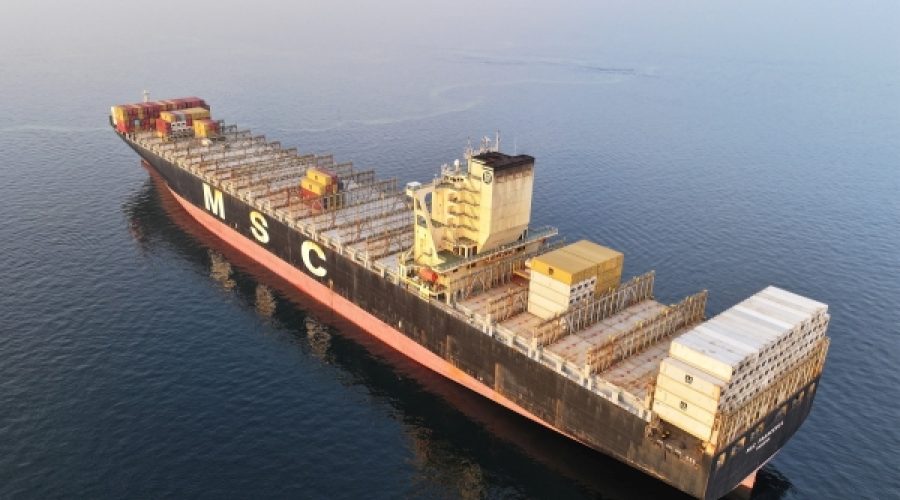
New York: Shipping traffic through the Strait of Hormuz has nearly come to a halt since February, according to the United Nations.
A newly released dashboard from the UN Conference on Trade and Development (UNCTAD) monitors shipping activity, food and energy prices, and financial markets impacted by the ongoing restrictions in the strait, a spokesman for UN Secretary-General António Guterres announced on Tuesday.
The data reveals a staggering 95.3% decline in ship transits through the Strait of Hormuz since February 28, UN spokesperson Stéphane Dujarric stated.
In addition, commodity food prices have increased by 6%, while crude oil prices in Europe have surged by 53% over the same period.
The disruption follows military actions initiated by the US and Israel against Iran on February 28, prompting Iran to effectively impose a blockade on this critical maritime passage.
This blockade has severely disrupted global trade, caused energy prices to skyrocket, and triggered urgent measures worldwide to avoid fuel shortages. The reopening of the strait remains a critical issue in ongoing negotiations aimed at ending the conflict.
Special Analysis by Omanet | Navigate Oman’s Market
The near-total halt of shipping through the Strait of Hormuz poses significant risks for Oman’s trade-dependent economy, given the strait’s strategic role in global energy supply chains. Businesses must brace for heightened supply chain disruptions and increased commodity prices, especially in energy and food sectors. Smart investors and entrepreneurs should consider diversifying supply routes and exploring alternative markets to mitigate potential volatility and capitalize on emerging logistics and energy infrastructure opportunities.