Surging Global Demand for Natural Gas: Implications for Omani Investors and Businesses
Strait of Hormuz Closure Disrupts Global LNG Supply
The closure of the Strait of Hormuz has significantly impacted the liquefied natural gas (LNG) market, cutting off a major supply source. However, the United States—currently the world’s largest LNG exporter—lacks the spare capacity to compensate for this shortfall.
A two-month halt in LNG shipments from Qatar has resulted in soaring prices across Europe and Asia, causing economic distress in nations like Italy, Taiwan, and South Korea, which rely on LNG for electricity, heating, and industrial operations.
This disruption marks the second major upheaval in global natural gas markets in under five years. The previous instance occurred in 2022 when Russia reduced its piped gas deliveries to Europe following its invasion of Ukraine.
While U.S. companies are anticipated to enhance LNG capacity in the coming months, analysts assert that these efforts will not fully make up for the loss of Qatari gas if the strait does not reopen promptly. This situation may necessitate rationing and a shift to alternative energy sources.
“All LNG exports from the U.S. are operating at full capacity,” stated Massimo Di Odoardo, vice president of gas and LNG research at Wood Mackenzie.
Since the onset of hostilities in Iran on February 28, LNG prices in Europe and Asia have surged to as much as six times the price of natural gas in the U.S., up from less than four times prior to the conflict.
The U.S. is in the process of constructing several export terminals that chill natural gas to minus 260 degrees Fahrenheit, converting it to liquid form for shipping. However, these projects, primarily located in Texas and Louisiana, entail billions in costs and lengthy construction timelines.
Natural gas accounts for approximately a quarter of global energy supply, according to the International Energy Agency. Demand has been increasing, driven by the growing use of electricity and data centers, partly fueled by the rise of artificial intelligence. Additionally, some nations are using natural gas to replace coal and to provide energy when renewable sources like solar and wind are insufficient.
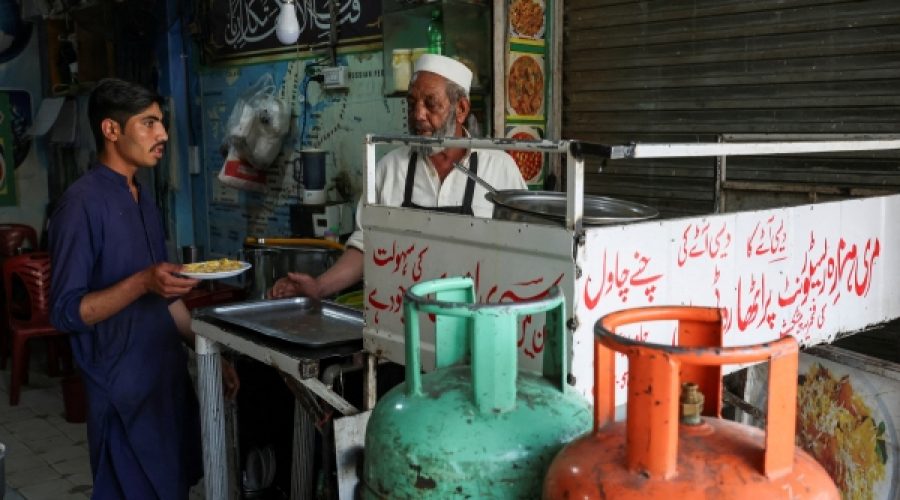
Importing LNG entails high costs, requiring countries to build terminals for re-gasification and pipelines for distribution. The ongoing conflict is exacerbating these expenses.
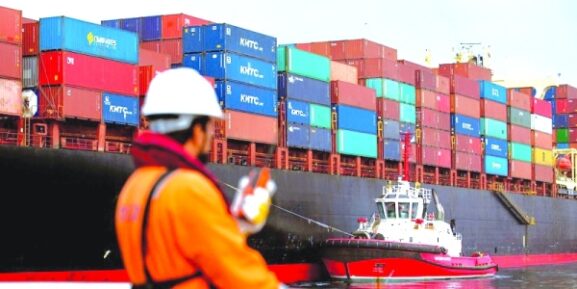
The U.S. and Iran remain locked in a standoff over the Strait of Hormuz, with the U.S. military blocking Iranian-linked vessels, while Iran is effectively impeding shipments of oil, LNG, and other goods from the Persian Gulf.
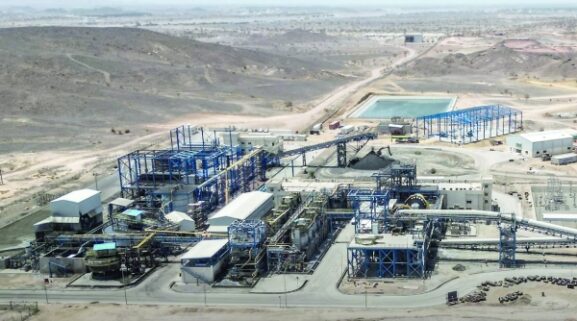
The war has led Qatar to cease LNG production at its Ras Laffan facility—critical to the region’s energy supplies. Recent missile strikes have also damaged about 17% of the plant’s operational capacity.
Gas executives express optimism about future capacity that may alleviate current pressures. Nonetheless, analysts warn that a prolonged closure of the strait, which facilitates 20% of global LNG shipments, coupled with extended repairs to Ras Laffan, could result in sustained high gas prices.
Moreover, the damage to Qatar’s gas export capabilities may delay anticipated growth in LNG supply for at least two years, according to the International Energy Agency.
North America has been a driving force behind global LNG growth, accounting for three-quarters of supply increases last year. Australia also plays a significant role as an exporter.
Energy companies are actively pursuing new gas reserves worldwide. Recently, Shell announced a $16.4 billion acquisition of ARC Resources, a Canadian natural gas producer.
In March, U.S. export terminals shipped nearly 18 billion cubic feet of LNG daily, approaching the record set in December. However, these facilities cannot significantly increase output without postponing maintenance and accelerating ongoing projects.
U.S. LNG exports are projected to rise by 18% this year and by an additional 10% next year, according to the Energy Information Administration. Five new LNG terminals are scheduled to commence operations by the end of next year.
Industry leaders believe that U.S. investment in natural gas positions the nation for a prolonged period of low domestic prices, forecasting rates to remain between $3 and $4 per million British thermal units for decades.
“From the perspective of the U.S. natural gas industry, we’re in a strong position for the foreseeable future,” remarked Karen Harbert, president and CEO of the American Gas Association.
Some analysts, however, caution that prices in the U.S. could rise to $5 per million British thermal units if energy companies complete all planned export facilities.
“Long-term, the current price point does not support the necessary supply to meet the demand from both LNG capacity expansion and gas-for-power requirements driven by data centers,” stated Mathieu Utting of Rystad Energy.
If natural gas prices increase both domestically and globally, some nations may opt to invest further in renewable energy and large-scale battery storage solutions. A report from Ember Energy indicates that China set records for solar panel exports in March, suggesting a shift in investment strategy for some countries.
The conflict’s disruptions have prompted several Asian nations to explore alternative fuels, with preliminary data indicating a 4% reduction in natural gas usage across Europe in March compared to the previous year. The region’s power sector has seen increased utilization of wind and hydroelectric resources.
“Every country dependent on LNG is reevaluating its energy relationships,” noted Julie McNamara, director of federal energy policy for the Union of Concerned Scientists. “This presents a vulnerable situation for any nation.”
This article originally appeared in The New York Times.
Special Analysis by Omanet | Navigate Oman’s Market
The closure of the Strait of Hormuz poses significant risks for businesses in Oman, as it compromises access to vital liquefied natural gas supplies and drives energy prices higher. This disruption creates opportunities for investors and entrepreneurs to explore alternative energy sources and bolster local resilience against supply shocks. Smart stakeholders should now consider diversifying energy portfolios and investing in renewable technologies to mitigate the impact of global volatility on energy markets.