New Regulations for Setting Up Gas Stations in Oman: What Investors and Business Owners Need to Know
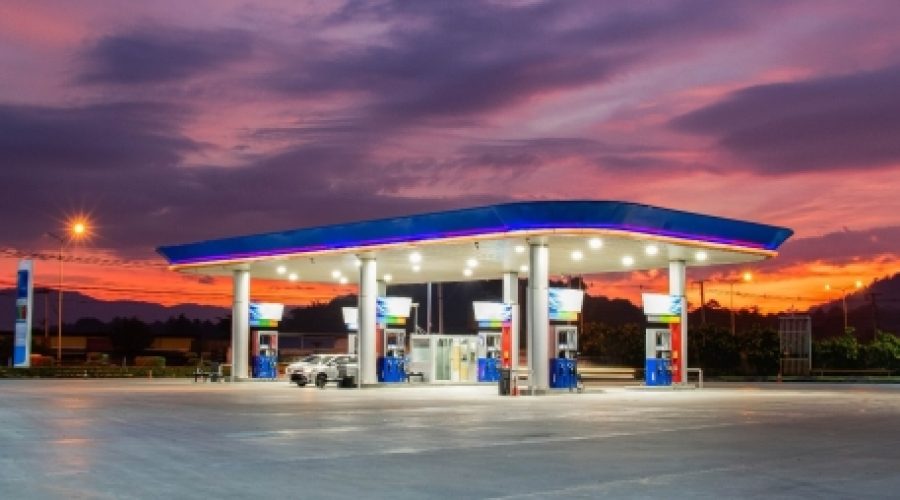
Muscat: The Ministry of Commerce, Industry and Investment Promotion (MOCIIP) will begin implementing the new regulations for gas stations, as outlined in Ministerial Resolution 142/2025. This initiative forms part of the ministry’s ongoing efforts to modernize the fuel filling station sector and improve the quality of services offered to consumers.
MOCIIP reported that it has received 16 applications for the establishment of new gas stations, issued two operating licenses, and granted six licenses for the establishment of fuel filling stations.
Nasra bint Sultan Al Habsi, Director General of Commerce at MOCIIP, emphasized that the updated regulations are a result of continuous institutional efforts aimed at enhancing service quality and advancing the infrastructure within the energy sector.
Eng. Ahmed bin Mubarak Al Balushi, Head of the Petroleum Products Licensing Section at MOCIIP, described the new regulations as a significant advancement in sector governance. He noted that these regulations align with current market dynamics and urban planning requirements.
Categories of Gas Stations
Gas stations have been categorized based on their size and service offerings into four types: integrated stations (minimum 10,000 square meters), commercial stations (3,000 square meters), smart self-service stations (800 square meters), and mobile stations providing services via mobile units.
Distance Between Stations
The regulations mandate a minimum distance of 5 kilometers between stations on the same or opposite sides of non-dual carriageway roads, with exceptions made for specific areas in Muscat Governorate, Salalah, and Sohar based on economic feasibility and regional needs. For integrated stations, the minimum distance must be 50 kilometers in the same direction, though exceptions can be granted by a competent committee based on technical and planning criteria.
Establishment Requirements
To establish a gas station, applicants must provide a title deed, lease contract, or usufruct right, and the site must be designated for commercial or commercial-residential use. Additionally, the location must meet economic feasibility, technical, and planning safety standards. The provision of services for hydrogen vehicles is also mandatory.
Basic Facilities
Integrated gas stations are required to offer essential facilities, including service and commercial amenities, vehicle parking, solar energy infrastructure, and electric vehicle charging points. The regulations also permit the addition of hydrogen refueling stations following approved guidelines.
Application Process
License applications must be submitted to marketing companies, which evaluate the sites and forward them to the relevant authorities. Applicants receive forms to secure necessary approvals, and operating licenses are issued within 30 days once all requirements are met. Licenses are valid for three years and are renewable for an additional three-year period.
The ministry highlighted that the regulations include administrative penalties, starting with warnings, followed by financial fines, and potentially leading to suspension or cancellation of licenses in severe cases. These measures aim to enhance safety, ensure balanced geographic distribution of gas stations, and guarantee adherence to approved standards by licensees.
Special Analysis by Omanet | Navigate Oman’s Market
The new regulations for gas stations in Oman signal a strategic push towards modernizing the fuel sector with an emphasis on safety, sustainability, and urban planning alignment. Businesses must adapt to the categorization system and infrastructure requirements, including electric and hydrogen vehicle support, to remain competitive. Smart investors should seize opportunities in integrated and smart self-service stations, while considering geographic and regulatory compliance as critical factors for success.