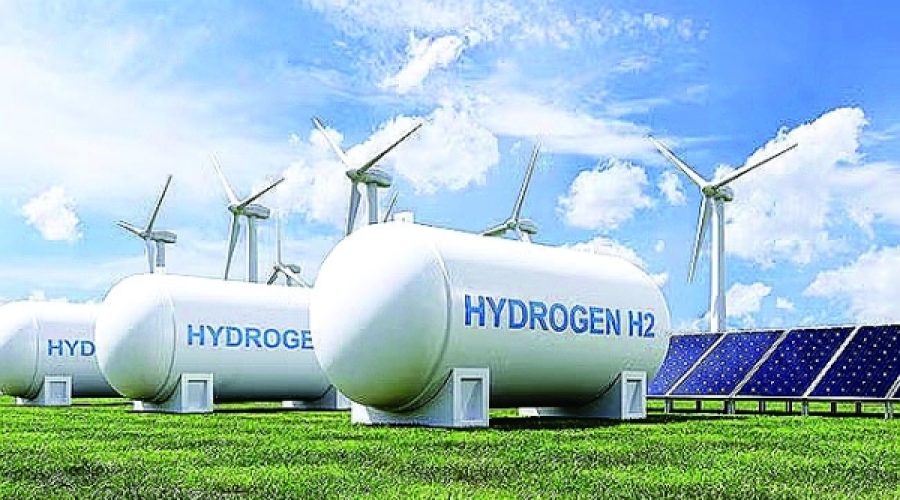
Oman Initiates Major Hydrogen-to-Power Project: Implications for Investors and Businesses in the Renewable Energy Sector
MUSCAT: In a significant development for Oman’s energy transition strategy, the Nama Power and Water Procurement Company (Nama PWP) has launched a tender for techno-economic consultancy services aimed at creating a large-scale power generation project powered by green hydrogen.
The tender seeks a consultant to conduct an initial assessment for a new independent power project (IPP) that could operate entirely on hydrogen, with an estimated generation capacity between 800 and 1,000 megawatts. This study will explore the technical feasibility, cost structures, and potential implementation pathways for integrating hydrogen-based energy generation into Oman’s national grid.
Notably, Nama PWP’s initiative marks one of the first substantial efforts by a utility in the Gulf region to evaluate hydrogen as a viable source of power at a utility scale—an area that has mainly been theoretical up to this point.
This initiative aligns with Oman’s ambitious green hydrogen program, spearheaded by Hydrom, which has primarily focused on the production of hydrogen for export and industrial use. Experts highlight that hydrogen has traditionally been considered an energy carrier rather than a direct source of electricity for domestic use, mainly due to the inefficiencies associated with converting it back to power.
However, the increasing integration of renewable energy sources—especially solar and wind—has encouraged utilities globally to explore hydrogen as a long-duration energy storage medium and a potential clean fuel for reliable electricity generation. In the context of Oman, where renewable energy capacity is anticipated to grow significantly under Oman Vision 2040, hydrogen could play a crucial role in balancing energy intermittency and lessening dependence on natural gas.
Market experts expect the study to determine whether hydrogen-fired power generation can compete economically with existing gas-based plants, as well as identify the infrastructure needed for storage, transportation, and fuel supply. Additionally, it will examine integration challenges, including grid stability and dispatch dynamics, especially in a system increasingly reliant on variable renewable energy sources.
Regionally, this project could set a precedent. While several Gulf nations have announced hydrogen strategies, most have primarily focused on exporting hydrogen—especially in the form of green ammonia—rather than utilizing it for domestic power generation. A successful hydrogen-to-power initiative in Oman could thus establish the Sultanate as a frontrunner in this emerging sector, influencing regional energy markets.
However, this initiative also raises critical policy questions. An industry observer noted, “Current regulatory and planning frameworks in Oman, overseen by the Authority for Public Services Regulation and the Ministry of Energy and Minerals, do not explicitly accommodate large-scale, grid-connected hydrogen-fired power generation. If the study indicates feasibility, it may require updates to procurement strategies, tariff structures, and fuel supply frameworks to incorporate hydrogen as a new generation fuel.”
The deadline for proposals for the techno-economic consultancy services is set for June 21, 2026.
Special Analysis by Omanet | Navigate Oman’s Market
Oman’s initiative to evaluate hydrogen as a key power generation fuel marks a pivotal shift in its energy strategy, presenting both opportunities and risks for businesses. This project could position Oman as a trailblazer in regional energy markets, attracting investment and innovation; however, firms must remain vigilant about the regulatory challenges tied to integrating hydrogen into existing frameworks. Smart investors should consider aligning their strategies with Oman’s Vision 2040, particularly in renewable energy and hydrogen technologies, to capitalize on this emerging sector.