Asyad’s Commitment to Sustainable Logistics: What It Means for Oman’s Business Growth and Investment Opportunities
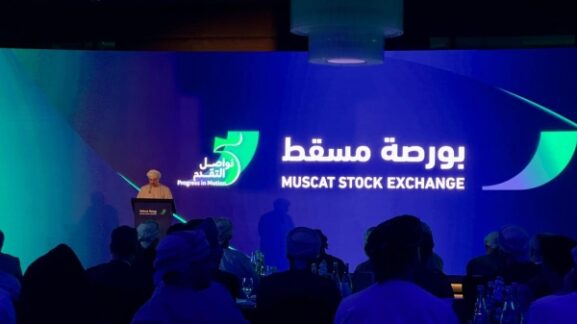
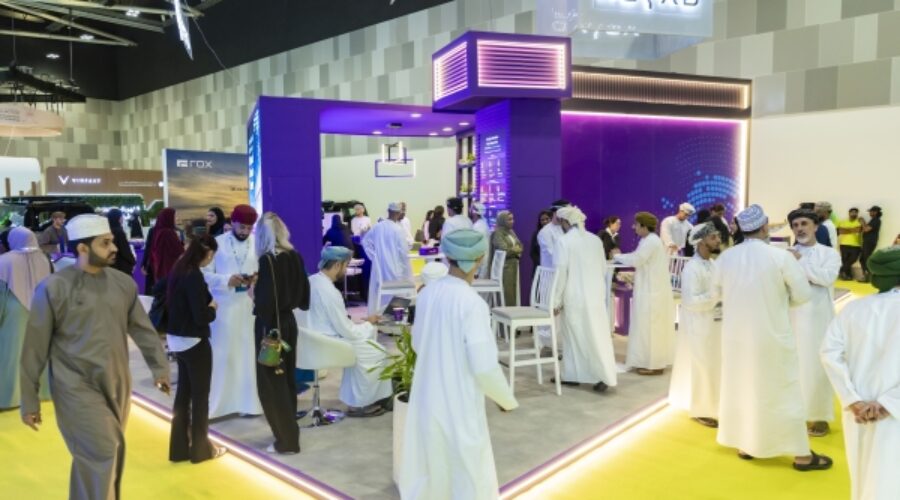
Asyad Group has commenced its participation in Oman Sustainability Week 2026 with a series of strategic initiatives and partnerships that underscore its commitment to advancing sustainable and efficient logistics systems. These efforts support Oman’s goal to achieve net zero emissions by 2050.
The Group’s involvement included the launch of a strategic white paper focused on the future of green mobility and transport decarbonization. Additionally, SOHAR Port and Freezone unveiled its inaugural Sustainability Report, while Asyad showcased its key initiatives aimed at developing lower-emission operational solutions.
At the event, Asyad Group received the Platinum Award for the third consecutive year, highlighting its ongoing dedication to integrating sustainability throughout its operations and enhancing the competitiveness of the logistics sector.
A central feature of the Group’s participation was the second edition of the Asyad Sustainability Talks. This forum gathered partners, policymakers, and industry experts to address challenges and opportunities in accelerating the transition to lower-emission logistics systems and advancing environmental, social, and governance (ESG) practices. The discussions aimed to foster practical dialogue on merging sustainability priorities with operational execution.
Essam Al Sheibany, Vice President of Sustainability at Asyad Group, contributed to discussions on building Oman’s ESG and green reporting ecosystem. Meanwhile, Nasser Al Hadhrami, Sustainability Specialist at Asyad Shipping, emphasized the importance of stakeholder collaboration to enhance sustainability standards and prepare the sector for lower-carbon transition requirements.
In collaboration with Muscat University, Asyad Group also launched a white paper titled “Towards a Low-Emission Future for Oman’s Transport Sector: Green Mobility through Hydrogen and EV Integration.” This paper offers a practical framework for reducing emissions across road, rail, maritime, and aviation transport, while supporting the competitiveness of Oman’s logistics sector and aligning with global shifts towards sustainable energy and transport.
Essam Al Sheibany stated, “Asyad adopts an approach centered on transforming sustainability ambitions into practical applications that contribute to improving operational efficiency and accelerating decarbonization efforts, thereby strengthening the logistics sector’s competitiveness and supporting Oman’s long-term objectives.”
SOHAR Port and Freezone, a vital part of Oman’s integrated logistics infrastructure, released its first Sustainability Report detailing progress in emissions management, climate resilience, energy efficiency, and ESG governance. The report also emphasizes the port’s initiatives to advance clean energy readiness through investments in green hydrogen and lower-emission infrastructure.
Abdullah Suleiman Al Abri, Vice President of Sustainability at SOHAR Port and Freezone, remarked, “Green hydrogen represents one of the key pillars within our strategic plans. We are enhancing the port’s capacity to support anticipated growth in this sector, reinforcing Oman’s position as a trusted hub for clean energy and sustainable logistics services.”
Asyad Group continues to demonstrate tangible results in sustainability, achieving a more than 3% reduction in CO₂ emissions across its operations. Similarly, Asyad Shipping reported a 3.6% decrease in CO₂ emissions from its maritime activities. Since 2019, Asyad Shipping has invested over $64 million in decarbonization initiatives aimed at reducing emissions and improving fleet efficiency.
Special Analysis by Omanet | Navigate Oman’s Market
Asyad Group’s strategic focus on sustainable logistics and decarbonization, highlighted by their leadership in green mobility and green hydrogen integration, positions Oman as a vital hub for clean energy and low-emission transport. For businesses, this shift presents significant opportunities to invest in ESG-driven innovations and green infrastructure, while also mitigating regulatory and market risks tied to carbon emissions. Smart investors and entrepreneurs should now prioritize partnerships and technologies aligned with Oman’s net zero ambitions and emerging sustainability standards to capitalize on this transformational momentum.