Stocks Surge and Oil Prices Climb: Implications for Investors Amid Growing Mideast Peace Hopes
Markets Surge as Oil Prices Rise Amid Geopolitical Tensions
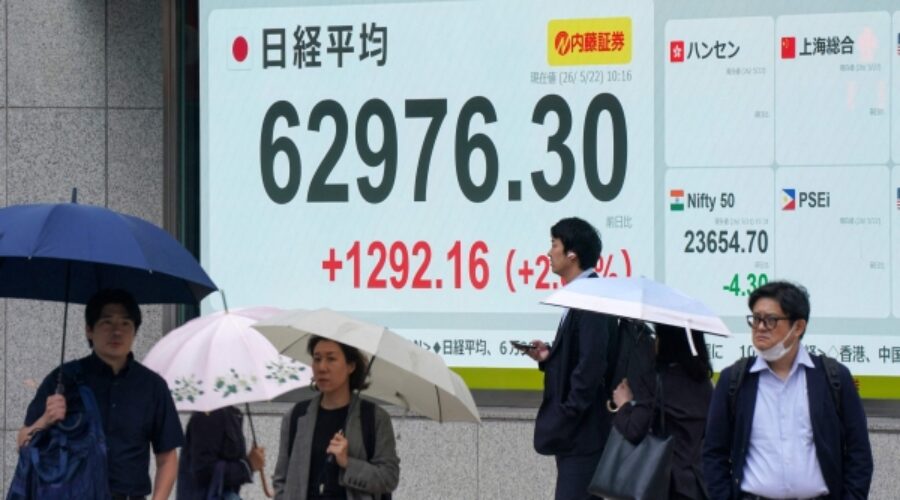
On Friday, stock markets experienced an upward trend while oil prices increased, driven by developments regarding potential peace efforts in the Middle East. This rally is occurring against a backdrop of corporate earnings positivity and enthusiasm surrounding artificial intelligence, which has propelled stock indexes to unprecedented levels.
Wall Street saw broad gains, with the Dow Jones Industrial Average reaching a record high on Thursday. Despite concerns that rising energy prices could exacerbate inflation and prompt central banks to raise interest rates, investor sentiment remains optimistic.
Chris Waller, a Governor of the US Federal Reserve, joined a growing number of policymakers advocating for a signal from the Fed regarding potential interest rate hikes. Earlier this week, inflation fears contributed to the yield on 30-year Treasury bonds reaching its highest level since 2007, while long-term debt yields in the UK and Japan have also surged to levels last seen in the last century.
This increase in borrowing costs may compel governments to reduce spending at a time when economic activity is already slowing due to heightened energy costs.
European markets also reported gains following a positive conclusion in Asia, buoyed by the impressive earnings report from AI chip manufacturer Nvidia, which significantly surpassed analyst expectations.
Matt Britzman, a senior equity analyst at Hargreaves Lansdown, observed, “Nobody really knows where these negotiations between the US and Iran are heading, but for now, markets often respond to potential geopolitical breakthroughs with cautious optimism.”
A senior official from the UAE indicated that there is a “50-50” chance of a US-Iran agreement that would alleviate restrictions on the Strait of Hormuz, a crucial passage for one-fifth of the world’s energy supply. US Secretary of State Marco Rubio mentioned that discussions aimed at concluding the war could gain momentum, potentially with assistance from Pakistani mediators.
President Donald Trump expressed this week that negotiations are at a “borderline” position, caught between reaching an agreement and the possibility of renewed military actions. A significant point of contention remains the Strait of Hormuz.
Fatih Birol, head of the International Energy Agency, warned on Friday that oil markets could enter a “red zone” by July or August if there is no progress in resolving the conflict and restoring Gulf oil shipments.
Kathleen Brooks, research director at XTB trading group, noted, “The market continues to believe that a deal between the US and Iran is plausible, despite receiving mixed signals from both sides.”
In Europe, a recent survey revealed an unexpected rise in German business morale for May, suggesting that Europe’s largest economy may be coping better with the fallout from the Iran war than previously anticipated. The Ifo institute’s confidence barometer increased to 84.9 points from 84.5 in April, marking its first rise since the onset of the Mideast conflict and surpassing analysts’ forecasts for a slight decline.
Financial markets in London and the United States will be closed on Monday for holidays, while markets in continental Europe will remain open.
Special Analysis by Omanet | Navigate Oman’s Market
The recent uptick in global markets, driven by optimism surrounding corporate earnings and AI, signals a pivotal moment for businesses in Oman. With oil prices on the rise and geopolitical stability in flux, savvy investors should prepare for both opportunities in energy exports and risks stemming from inflationary pressures that may lead to tighter monetary policies. Strategically positioning to leverage technological advancements while monitoring shifts in global oil dynamics will be essential for entrepreneurs in this evolving landscape.