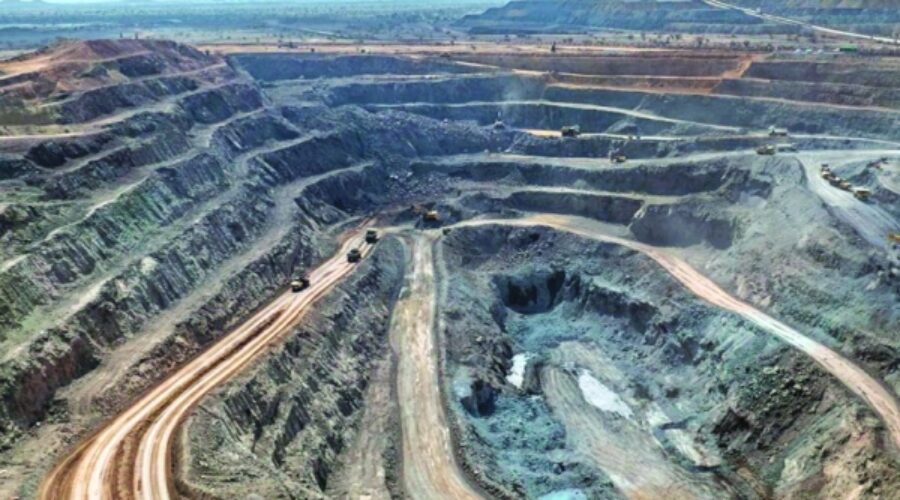
Investment Opportunities in Oman’s Mining Sector: What It Means for Investors and Entrepreneurs
MUSCAT, June 17 – The Sultanate of Oman is actively expanding its mining concession areas to attract high-quality investments, aiming to boost the mining sector’s contribution to the national GDP and fulfill the objectives of “Oman Vision 2040,” which focuses on diversifying the country’s income sources.
The introduction of new concession zones this year reflects growing investor confidence and strong international partnerships in Oman’s mining market. The year 2025 marked a significant transformation in the sector with the signing of several mining concession agreements for copper, chromium, and salt. These developments are expected to enhance future revenues and elevate the sector’s GDP contribution.
Raya bint Abdullah al Abri, Director of the Concessions Department at the Ministry of Energy and Minerals, explained that the new concession system offers expansive investment opportunities by allocating zones larger than 1,000 square kilometers. This approach addresses the limitations of the previous system’s smaller land allocations and suits the exploration needs of various minerals.
She further noted that concession agreements provide investors with legal terms spanning 20 to 30 years, ensuring the stability required for substantial capital investment and long-term project development.
Al Abri added that the Ministry follows an annual plan to introduce three to four new concession areas. The selection process is based on the availability of infrastructure, logistics, road access, and preliminary data on prospective mineral resources in each area.
Investors applying for concessions must submit detailed technical exploration work programs, including remote sensing studies, geological surveys, drilling operations, and seismic assessments. This procedure guarantees a scientifically and technically sound evaluation of the mineral potential in the proposed zones.
Ministry data revealed that total mineral ore production in 2025 reached approximately 64.9 million tonnes, marking a 9% decrease from the previous year. This decline is mainly due to an 8.7 million tonne reduction in building materials production, which constitutes 46% of total output, alongside delays by some mining companies in submitting their monthly production reports.
Similarly, mineral ore sales fell by 9%, totaling about 59.8 million tonnes. The decrease was also linked to a reduction of 8.8 million tonnes in building materials sales, attributed to the reporting delays from certain companies.
In contrast, the total value of mineral ore sales rose sharply to around RO 159 million, a 30% increase compared to 2024. Oman notably regained prominence as a copper producer, exporter, and seller, with copper sales surging by 392% in 2025 versus the previous year. This growth was driven by enhanced operational performance, higher production efficiency at copper mining sites, and the benefit of rising global copper prices coupled with increased industrial demand.
By the end of 2025, 13 companies operated across 27 mining concession areas, which contain key minerals such as copper, chromium, potash, dolomite, gypsum, limestone, nickel, and cobalt. The sector saw six new concession agreements signed last year, alongside production levels reaching approximately 65 million tonnes, sales near 60 million tonnes, investment values hitting RO 105 million, and copper ore exports totaling 95,000 tonnes. Additionally, digital service provision through the “Taqah” platform reached 80%.
These advancements underscore Oman’s strategic push to develop its mining sector as a vital contributor to the national economy.
Special Analysis by Omanet | Navigate Oman’s Market
Oman’s strategic expansion of mining concession areas and long-term investment stability signals a robust commitment to diversifying its economy under Vision 2040. For businesses, this creates significant opportunities in mineral sectors like copper, chromium, and potash, driven by rising global demand and government-backed infrastructure support. Smart investors should capitalize on the increasing value of mineral sales, especially copper, while preparing for operational efficiency and compliance with technical exploration standards to secure long-term growth.