Oman Inflation Rises 3.8% in May: What Does This Mean for Your Business and Investments?
Muscat: Oman’s Consumer Price Index (CPI) increased by 3.8 percent in May 2026 compared to the same month last year, according to data released by the National Centre for Statistics and Information (NCSI).
The average inflation rate for the period from January to May 2026 rose by 2.8 percent, based on the 2018 base year.
Among the various categories, the miscellaneous personal goods and services group experienced the largest price surge at 9.6 percent. This was followed by transport, which rose by 9.2 percent, and food and non-alcoholic beverages, which increased by 6.6 percent.
Prices for restaurants and hotels went up by 4.7 percent, while furniture, household equipment, and routine maintenance costs rose by 3.1 percent. Education expenses climbed by 2.2 percent, health-related costs by 1.8 percent, and recreation and culture by 0.3 percent.
In contrast, prices for clothing and footwear, communication, and tobacco remained relatively stable. The housing sector, including water, electricity, gas, and other fuels, saw a slight decline of 0.3 percent.
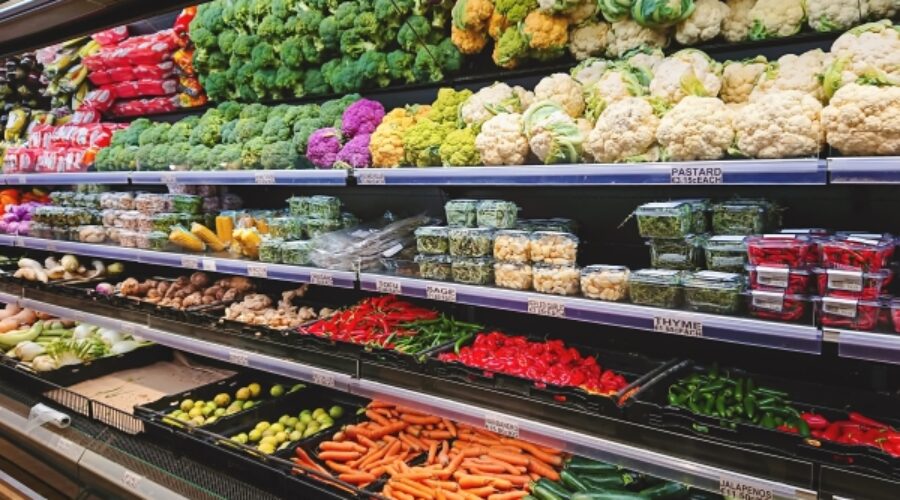
Within the food and non-alcoholic beverages category, vegetables recorded the highest increase at 24.9 percent, followed by fruits at 16.7 percent, and meat at 5.1 percent. Other rises included non-alcoholic beverages by 3.6 percent, milk, cheese, and eggs by 2.6 percent, sugar, jam, honey, and confectionery by 2.5 percent, and other food products by 1.9 percent. Bread and cereals prices increased by 1 percent, oils and fats by 0.8 percent, and fish and seafood by 0.3 percent.
Regionally, Al Dhahirah reported the highest inflation rate at 4.8 percent, followed by Al Dakhiliyah at 4.4 percent and Muscat at 4.2 percent. Al Buraimi saw an increase of 3.9 percent, Al Wusta rose by 3.5 percent, while South Al Batinah and Musandam each recorded inflation rates of 3.4 percent. North Al Sharqiyah and South Al Sharqiyah posted increases of 3.2 percent, and the lowest inflation rates were observed in North Al Batinah and Dhofar at 2.3 percent.
Special Analysis by Omanet | Navigate Oman’s Market
The 3.8% rise in Oman’s Consumer Price Index signals heightened inflationary pressures, particularly in essential sectors like food, transport, and personal goods. For businesses, this presents both a cost challenge and an opportunity to innovate in pricing and supply chain management. Smart investors and entrepreneurs should now focus on sectors resilient to inflation and explore value-driven solutions to meet evolving consumer needs.