Oman’s Smart City Ambitions: How 6.7 GW Power Demand Will Impact Business Opportunities
MUSCAT: Oman’s ambitious plans for smart cities and urban development projects are projected to generate a demand for approximately 6.7 gigawatts (GW) of additional power generation capacity in the long term. This necessitates significant expansion and modernization of the Sultanate’s electricity transmission infrastructure, as reported by the Oman Electricity Transmission Company (OETC).
The state-owned grid operator is establishing the groundwork to integrate a series of strategic urban developments—currently at varying stages of planning and implementation and supported by the Ministry of Housing and Urban Planning—into its long-term grid development strategy.
OETC emphasized its crucial role in incorporating these smart cities into a reliable, efficient, and future-ready power grid through its 5-Year Annual Transmission Capability Strategy (2026-2030).
The integration efforts will prioritize enhancing transmission networks to accommodate renewable energy sources such as solar and wind projects. This will enable decentralized power generation, the development of electric vehicle (EV) charging infrastructure, and increased grid capacity through new transmission lines and reactive power compensation systems.
The company noted that the upcoming developments will require innovative smart grid solutions to support rising electricity demand while ensuring reliability and efficiency.
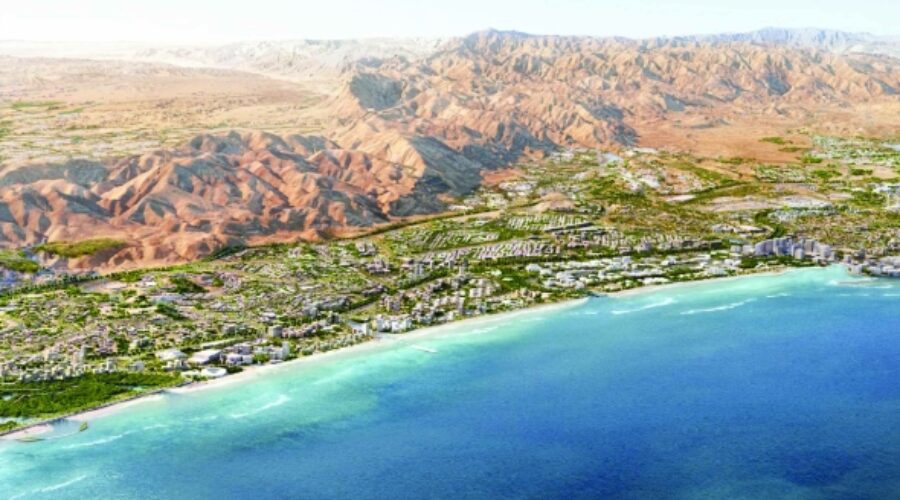
Among the significant drivers of future electricity demand is the Greater Muscat Structure Plan, which is anticipated to require over 5 GW of power capacity by 2040. This extensive urban framework aims to transform the capital region into a smart and resilient metropolis with integrated renewable energy, artificial intelligence-enhanced urban services, and advanced transportation networks.
Additionally, the Sultan Haitham City, Oman’s first fully integrated smart city development, is expected to demand around 105 MW by 2040. This project is grounded in sustainability principles, featuring net-zero buildings, digital infrastructure, green spaces, and electric mobility solutions.
Other major urban initiatives highlighted by OETC include:
- Greater Salalah Structure Plan: A future hub for regional trade and tourism focused on green infrastructure and wind energy integration, projected to require over 200 MW by 2040.
- Greater Nizwa Structure Plan: A sustainable expansion of the historic city emphasizing eco-tourism and modern urban services, with an estimated demand of over 400 MW by 2040.
- Ibri Structure Plan: A logistics and renewable energy-centered development supporting solar initiatives, requiring more than 350 MW by 2040.
- New City in Suhar: An industrial and residential city designed to bolster Suhar’s status as a regional logistics and trade center, with projected demand exceeding 240 MW by 2040.
- Al Khuwair Downtown: A transit-oriented urban regeneration effort in Muscat featuring mixed-use development and smart mobility, expected to demand around 400 MW by 2040.
OETC is also preparing for additional planned developments, including the Sur Structure Plan for sustainable coastal urban growth, Al Jabal Al Aali, a mountain city concept grounded in net-zero principles for energy, water, food, and waste, along with A’Thuraya City, a premium environmentally focused urban project in Muscat. Additionally, the Al Rustaq Structure Plan will provide a comprehensive development framework extending to 2045.
Special Analysis by Omanet | Navigate Oman’s Market
Oman’s ambitious smart city projects signal significant growth opportunities for businesses, particularly in renewable energy, infrastructure, and smart technologies. The demand for 6.7 GW of new power capacity presents a critical chance for investors to engage in innovative energy solutions and grid modernization, while also posing the risk of infrastructure strains if not managed effectively. Smart investors should consider positioning themselves in sectors tied to sustainability and urban technology, as these developments align with global trends toward climate resilience and efficient urban living.