Maximizing Flavor and Profit: 4 Essential Tips for Grilling the Perfect Chicken in Your Restaurant
Transforming Chicken Breasts: A Culinary Guide for Summer
For culinary enthusiasts who revel in spending hours at the farmers’ market and crafting elaborate three-course meals, boneless, skinless chicken breasts may seem lackluster. Once regarded as a compromise for the sake of lean protein, these cuts often pale in comparison to more indulgent options like beef belly and bone marrow.
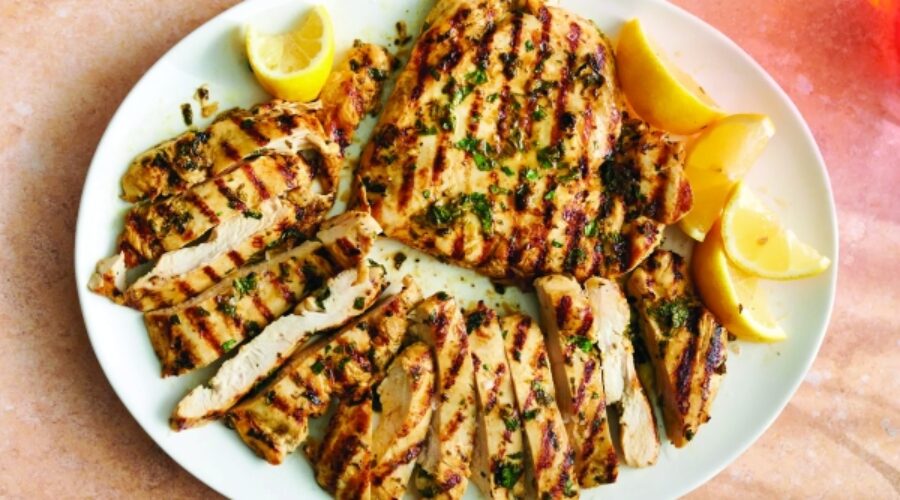
However, a new recipe has emerged to elevate the humble chicken breast. Featuring a smoky blend of lemon and olive oil, paired with charred garlic and fresh parsley, this preparation method transforms the chicken into a dish that rivals the satisfaction of fried drumsticks and saucy wings. The lean breast meat, when marinated, offers a brightness reminiscent of a clear summer sky.
While many culinary professionals dismiss chicken breasts as bland—some notable chefs, like Tom Colicchio, have voiced strong opinions against them—Dennis Mao, founder of Jidori Chicken, appreciates their potential. “If cooked properly, the breast can be really good,” he asserts. “It has a light flavor and is very clean.”
Mao emphasizes that the size of the chicken affects its flavor. The small birds he raises, weighing between four to eight ounces, deliver a taste that is often lacking in larger, commercially available options, which tend to become dry and monotonous in texture.
Yet, the quality of chicken is influenced by various factors, not just its breed or rearing conditions. Mao advises consumers to look for the freshest meat available to experience a significant difference in taste. Ideal choices are those labeled with recent “use before” or “sell by” dates. Additionally, terms like “fresh” or “keep refrigerated” indicate that the chicken has not been frozen, which can diminish its quality.
For those seeking to enhance supermarket chicken breasts, here are some practical tips:
-
Thin the Meat: Instead of butterflying the breast, cut it to a third of its original thickness by creating two slits from the top down without cutting all the way through. This technique results in thinner planks that can be pounded to an even layer. The varied orientation of the fibers provides a more interesting texture.
-
Quick Marinade: Marinades infuse flavor primarily on the surface. With thinner breasts, a brief marinade of 15 to 30 minutes—just enough time to preheat the grill—will suffice. Olive oil acts as a flavor carrier, enhancing the aromas of garlic, lemon zest, and pepper while keeping the meat moist.
-
Heat the Grill: Many home cooks do not preheat their grills sufficiently. A hotter grill ensures a better char while maintaining a juicy center. The ideal temperature is reached when a hand can be held five inches above the grate for three to five seconds.
-
Timing is Key: Thin chicken planks cook quickly, typically in about five minutes. They should be removed from the grill when they are just opaque with a slight blush of pink. If unsure, a paring knife can be used to check doneness; if needed, the meat can be returned to the grill for a brief period.
This preparation method transforms chicken breasts into a flavorful dish that appeals even to those skeptical of this cut. Whether served hot off the grill or enjoyed cold in the days that follow, the meal bursts with richness and zest.
Special Analysis by Omanet | Navigate Oman’s Market
The rising demand for high-quality, fresh ingredients in culinary trends presents significant opportunities for businesses in Oman, particularly in the organic farming and premium food supply sectors. Smart investors should consider leveraging this shift towards gourmet experiences by exploring partnerships with local farmers or investing in food startups that prioritize sustainability and quality. However, they must also be aware of the potential risks, including fluctuations in consumer preferences and competition in the upscale food market.