Hormuz Traffic Slowdown: Implications for Trade and Investment Opportunities in Oman
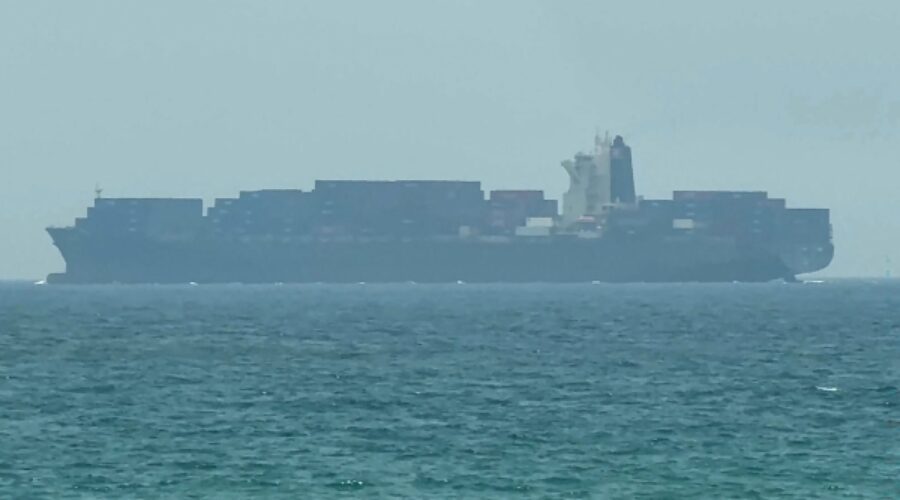
SINGAPORE: The number of vessels transiting the Strait of Hormuz has dropped to a multi-week low, according to shipping data. This decline follows renewed strikes between the U.S. and Iran, along with rising safety concerns stemming from recent attacks on ships in the Middle East.
On Sunday, only six vessels passed through the strait, marking the lowest volume recorded in five weeks, as reported by ship-tracking company Kpler. Among those that exited were the Very Large Crude Carrier Humanity, which was transporting 2 million barrels of Iranian oil, and the tanker Capetan Andreas, carrying approximately 500,000 barrels of Kuwaiti oil products. In contrast, three empty tankers entered the Gulf to load oil, with many of them turning off their transponders during their passage through the strait.
Notably, no liquefied natural gas tankers were recorded entering the strait over the weekend according to available tracking data. One tanker managed by the Abu Dhabi National Oil Company exited between July 10 and July 12, heading for Dahej port in India.
Additionally, U.S. forces have conducted further strikes against Iran, targeting numerous locations with precision munitions, as stated by Central Command. U.S. President Donald Trump affirmed on Sunday that the Strait of Hormuz remains open for commercial traffic, despite claims from Iran that it had closed the strait following an incident involving a vessel that traveled an unauthorized route.
On Monday, Iran’s Revolutionary Guards reported that their navy intercepted two ships in the Strait of Hormuz by disabling their systems, although the names of those vessels were not disclosed.
Special Analysis by Omanet | Navigate Oman’s Market
The decline in vessel transits through the Strait of Hormuz signals heightened geopolitical tensions that could disrupt oil supply routes, posing a significant risk for businesses in Oman reliant on energy exports. Smart investors should consider diversifying their portfolios to mitigate potential supply chain disruptions while exploring opportunities in alternative energy sectors as global demand shifts. This situation underscores the importance of proactive risk management strategies for navigating Oman’s evolving market landscape.