Hydrom Advances Oman’s Hydrogen Ambitions: What This Means for Investors and Business Growth
MUSCAT, DECEMBER 1, 2025 — Hydrom, the key driver of Oman’s energy transition, reaffirmed its ambitious long-term vision during the opening day of the 2025 Green Hydrogen Summit Oman (GHSO).
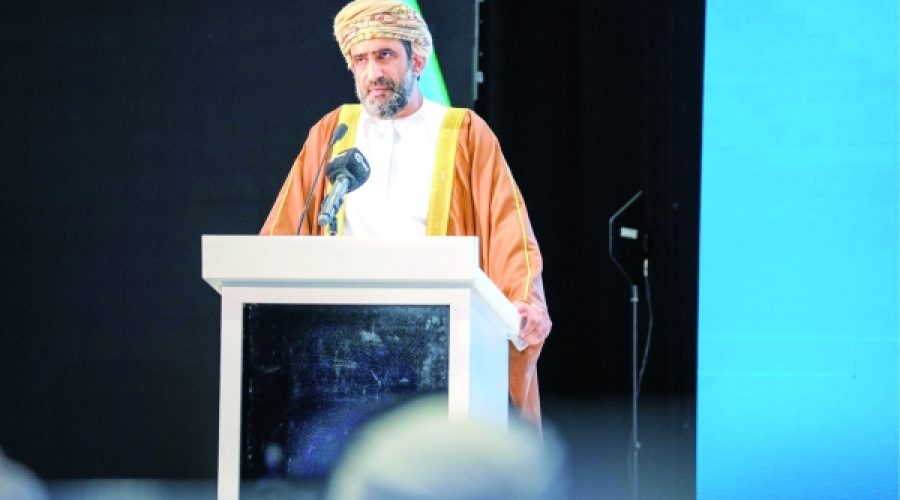
Eng. Abdulaziz al Shidhani, Managing Director of Hydrom, highlighted the swift evolution of global sentiment around green hydrogen. He recalled, “Two years ago, at the previous Green Hydrogen Summit Oman, there was immense global enthusiasm. The promise seemed vast, momentum was worldwide, and expectations were extraordinarily high.” However, he noted, “As time passed, market enthusiasm tempered, timelines extended, and many began questioning the pace of the hydrogen transition.”
For Oman, the approach remained measured and purposeful. Last year, during Hydrogen’s Investors Day, Oman made a decisive choice. “While many paused to reevaluate, Oman chose to stay the course—progressing steadily, deliberately, and with clear purpose,” al Shidhani explained. He emphasized that Oman’s commitment stems from a fundamental understanding: green hydrogen is not a short-term opportunity but a long-term national priority and global necessity.
Oman’s green hydrogen strategy is anchored in a national vision that addresses the “competitive trilemma” in hydrogen production by balancing cost, execution, and market proximity. “While most markets solve for two variables, Oman targets all three. Our abundant renewable resources provide cost advantages, governance and infrastructure ensure execution certainty, and our geographic location connects us directly to key demand centers,” he said. This synergy, he added, is vital to Oman’s sustainable competitiveness.
Among Hydrom’s key milestones is the signing of the world’s first liquid hydrogen corridor in Q2 2025. Al Shidhani detailed the significance: “This corridor, established through collaboration among 11 partners across the entire value chain, enables the production, liquefaction, shipping from Oman to Amsterdam, regasification, and integration into the Netherlands and Germany’s hydrogen pipeline networks, reaching end users.”
Additionally, he revealed ongoing preparations for establishing an Oman-South Korea hydrogen corridor, following a recent memorandum of understanding (MOU) between the two countries focused on green energy transition.
In terms of project status, al Shidhani confirmed that despite the withdrawal of two projects—BP Oman Block Duqm and POSCO–ENGIE Block—Oman is firmly on track to reach its goal of producing 1 million tonnes of green hydrogen by 2030–31. The current portfolio includes nine projects: two concluded by mutual agreement, six under development, and one under construction. Notable projects include Amnah, YAMNA, ENACTUS, GEO, ACME, HyPort, and Salalah H2, primarily located in Al Duqm and Salalah.
The ACME project’s first phase in Al Duqm has commenced construction, marking Oman’s first large-scale hydrogen development to do so. It aims to produce 100,000 tonnes of green ammonia and 17,000 tonnes of green hydrogen annually by 2027.
Al Shidhani also highlighted recent government incentives totaling $3.6 billion to support hydrogen projects. These include nearly 50% reductions in land fees during development, with a further 50% cut upon entering the Front-End Engineering Design (FEED) phase, and royalty reductions from 3% to 1%, delivering savings of approximately $3.12 billion across six major projects. Contractual frameworks have been enhanced to allow operational flexibility, phased implementation, and monetization of surplus power. He underlined Oman’s exceptional renewable potential, saying the country’s wind and solar resources could generate “one hundred times the country’s grid demand.”
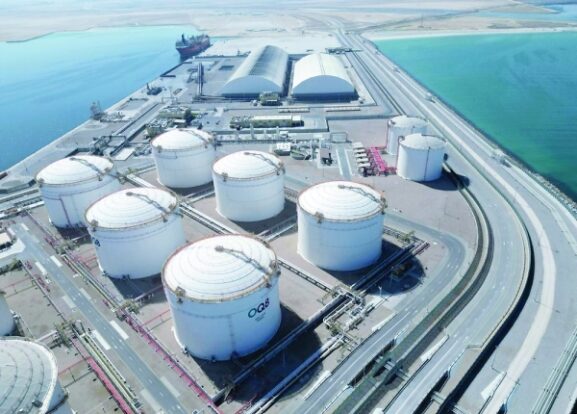
Beyond individual projects, the broader hydrogen ecosystem in Oman is advancing robustly. The national infrastructure and supply chain have seen rapid growth, exemplified by Mawarid Turbine Company initiating Oman’s first wind turbine manufacturing plant, with an anticipated annual capacity of up to 1,000 megawatts. Furthermore, OQGN, Belgium’s Fluxys, and ERNE have agreed on developing a national hydrogen pipeline network aligned with the government’s shared infrastructure vision.
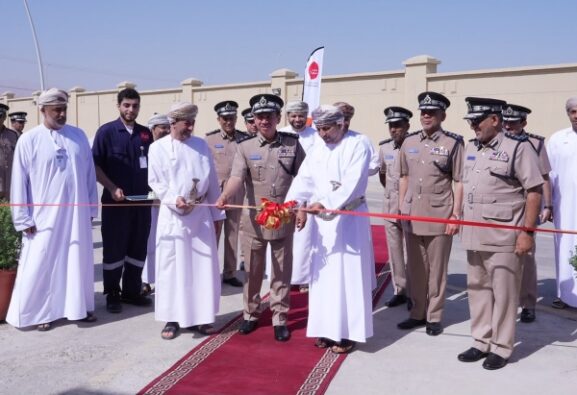
Additionally, Oman launched its first hydrogen refueling station earlier this year. Al Shidhani noted growing local demand pathways in green steel production, mobility, and substitution of grey hydrogen in downstream industries.
These developments underpin Oman’s steadfast commitment to establishing itself as a global hub for green hydrogen production and sustainable energy leadership.
Special Analysis by Omanet | Navigate Oman’s Market
Oman’s steadfast commitment to green hydrogen amidst global market cooling positions the country as a strategic leader in the energy transition, leveraging its cost advantages, governance, and geographic proximity to key markets. For businesses, this signals a long-term growth opportunity in renewable energy infrastructure and supply chains, while investors should consider the expanding ecosystem, government incentives, and emerging export corridors as catalysts for sustainable returns. Entrepreneurs can capitalize on niche sectors like green steel, mobility, and hydrogen refueling, aligning with Oman’s vision to produce 1 million tonnes of green hydrogen by 2030-31.