Oman’s First Synthetic Fuels Project in Sohar Freezone: Implications for Investors and Entrepreneurs in the Energy Sector
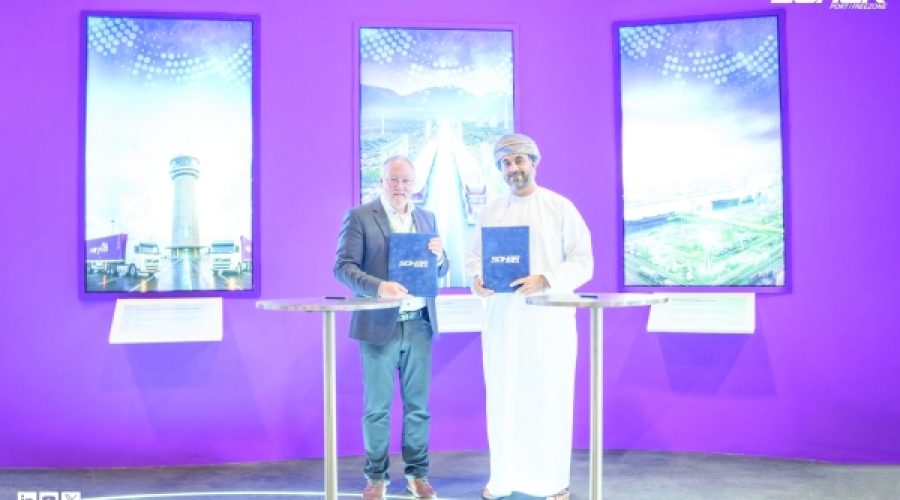
MUSCAT, DECEMBER 4 – Sohar Port and Freezone (SOHAR) has announced the signing of a Letter of Intent with Empa, the Swiss Federal Laboratories for Materials Science and Technology, to explore the feasibility of establishing a synthetic fuels facility in the freezone.
According to SOHAR, the primary aim is to assess the potential for the first stage of a Renewable Fuels of Non-Biological Origin (RFNBOs) facility, which would be a pioneering development in the Sultanate of Oman.
RFNBOs are synthetic, low-carbon fuels, including green hydrogen, green ammonia, e-methanol, e-kerosene, and synthetic methane. These fuels are produced utilizing renewable electricity and non-biological inputs, such as water and captured carbon dioxide (CO₂). Unlike traditional biofuels, RFNBOs depend solely on processes like electrolysis and chemical synthesis powered by renewable energy sources and must adhere to stringent EU sustainability and traceability regulations under RED II/III. Such facilities are crucial for decarbonizing sectors that are difficult to abate, such as aviation, shipping, steel, and chemicals, by providing clean, storable, and transportable fuels created entirely without biomass.
Dr. Abdullah Al Abri, Vice President of Sustainability at SOHAR, signed the Letter of Intent during the recently concluded Green Hydrogen Summit Oman (GHSO).
“This initiative supports Oman’s energy transition and fosters global collaboration on low-carbon fuel technologies,” SOHAR stated. “Both parties will evaluate land, infrastructure, and resource requirements as part of the prefeasibility study, with SOHAR identified as a potential site. The agreement also encompasses high-level engagements with investors and government partners throughout 2026.”
The partnership illustrates SOHAR’s commitment to sustainable industrial solutions and enhances its position as a regional hub for future clean-energy systems.
Empa, a global leader in sustainable energy research, will contribute its extensive experience in developing low-carbon and carbon-neutral fuels. Empa conducts applied research on hydrogen, synthetic methane, Power-to-X pathways, and advanced biofuels, integrating production, storage, and end-use technologies. Additionally, the organization pioneers advancements in CO₂ capture, conversion, and circular-carbon processes, enabling the creation of synthetic hydrocarbons and e-fuels from renewable electricity.
For SOHAR, this agreement with Empa is part of a broader strategy to achieve decarbonization and advance energy-transition goals. In addition to utilizing biofuels for its tugboats, the port is actively engaging in the hydrogen economy through partnerships with local and international entities. SOHAR is evaluating and planning to develop green and low-carbon hydrogen value chains, including potentially producing up to 350 MW of hydrogen through electrolysis to supply various industries, including steel production and heavy-duty applications in the freezone.
Moreover, SOHAR has bolstered its low-carbon strategy by joining the Alliance for Industry Decarbonization (AFID), reflecting its commitment to incorporating renewable energy sources—especially solar and green hydrogen—and circular-economy practices across its industrial and logistics operations.
Most recently, in September, SOHAR entered into an agreement with investors and technical partners for a significant “shore power” infrastructure project at its container-terminal quay. This initiative will allow docked vessels to connect to the onshore electricity grid, reducing their reliance on auxiliary engines, thereby significantly decreasing fuel consumption, greenhouse gas emissions, air pollutants, and noise levels around the port.
Special Analysis by Omanet | Navigate Oman’s Market
The agreement between Sohar Port and Empa signals a pivotal shift towards low-carbon economy initiatives in Oman, opening avenues for renewable fuel innovations that could position the nation as a key player in the global energy transition. Businesses must now consider the strategic opportunity to invest in sustainable technologies, as appetite for clean energy will likely grow, creating both risks and rewards. Investors and entrepreneurs should closely monitor developments in this sector to capitalize on potential partnerships and advancements in green hydrogen and synthetic fuels.