India Central Bank Cuts Rates Amid US Trade Deal Uncertainty: What This Means for Investors and Businesses
Mumbai: India’s central bank has reduced interest rates in response to low inflation, aiming to support the world’s fastest-growing major economy amidst the challenges posed by US President Donald Trump’s tariff measures.
The Reserve Bank of India (RBI) announced on Friday a cut of five basis points in its benchmark repo rate, lowering it to 5.25 percent. This decision was reached unanimously by the RBI’s monetary policy committee.
Although some analysts expected the rate to remain unchanged—considering previous cuts totaling over 100 basis points this year and a GDP growth reaching a six-quarter high in the July-September quarter—a majority saw justification for easing rates due to diminishing price pressures and increasing economic risks tied to the US tariffs.
India, the world’s fifth-largest economy, is currently facing steep tariffs of 50 percent on most goods. Exporters have warned of significant order cancellations and widespread job losses as a result. While Indian officials remain hopeful of finalizing the first phase of a trade agreement with the US by year-end, no breakthrough has yet been announced.
Experts estimate that ongoing tariffs could reduce India’s economic growth by between 60 and 80 basis points in the current fiscal year.
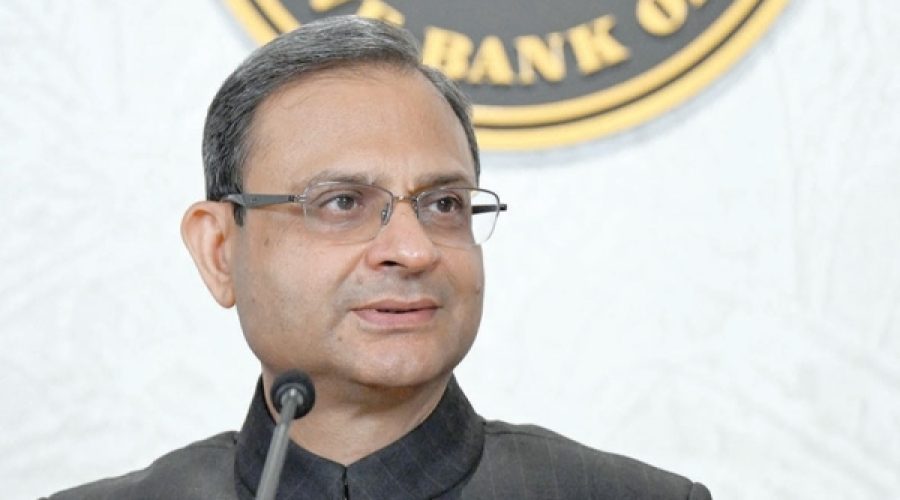
RBI Governor Sanjay Malhotra also revealed that the monetary policy committee decided to purchase government securities worth more than $111 million from the open market. Additionally, a three-year dollar-rupee buy-sell swap transaction of $5 billion is planned for this month to address evolving liquidity conditions.
Malhotra emphasized that the RBI is maintaining a "neutral stance," indicating potential room for further rate reductions.
This year, Indian policymakers have confronted numerous challenges, including a slowdown in growth, a weakening rupee, and declining exports. In response, Prime Minister Narendra Modi has implemented significant consumption tax cuts and advanced labor law reforms following the country’s economic growth falling to a four-year low in the fiscal year ending March 31.
The easing of inflation enabled the RBI to initiate its first rate cut in nearly five years back in February, followed by two additional reductions in April and June, before holding rates steady at the last two policy meetings. — AFP
Special Analysis by Omanet | Navigate Oman’s Market
India’s latest rate cut signals ongoing monetary easing amidst global trade tensions, highlighting the country’s vulnerability to external shocks like US tariffs. For Omani businesses, this underscores the importance of diversifying trade partners and supply chains to mitigate risks linked to India’s economic volatility. Smart investors should watch for opportunities in sectors benefiting from India’s growth stimulus and stable inflation, while remaining cautious of export dependency on the Indian market.