Oman Hosts Workshop on International Labour Standards: Key Implications for Businesses and Investors
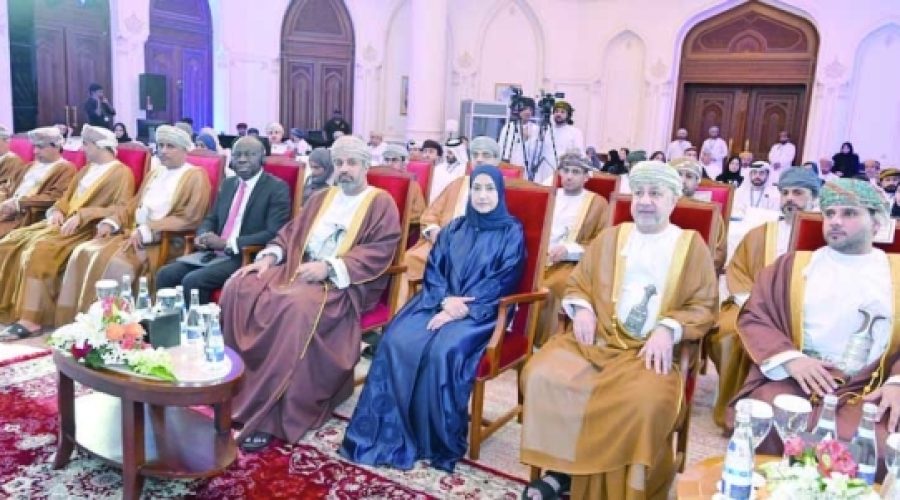
MUSCAT: A three-day regional workshop titled “International Labour Standards: Building Local Policies and Capacities” opened in Muscat on Monday, gathering experts from the International Labour Organisation (ILO), government officials, private sector representatives, and specialists from Oman and the wider region.
Organised by the Ministry of Labour, the event was inaugurated under the patronage of Dr Mahad bin Said Baowain, Minister of Labour. The workshop seeks to support the harmonisation of national legislation with international labour standards, enhance institutional capacity in labour policy development, and encourage the sharing of regional best practices to improve work environments and social protection systems.
In his opening remarks, Khalid bin Salim al Ghammari, Under-Secretary of the Ministry of Labour for Labour, highlighted the significant global shifts in employment patterns, occupations, and labour relations. He emphasized that these changes demand balanced policies that foster economic growth while protecting workers’ rights and noted that international labour standards are fundamental to sustainable and inclusive development.
Al Ghammari underscored Oman’s strategic collaboration with the ILO, grounded in the principle that people are central to development. This partnership supports Oman Vision 2040 and aligns with the United Nations Sustainable Development Goals, especially Goal 8, which promotes decent work and economic growth. He further noted Oman’s ratification of five international labour conventions and the recent updates to its legislative framework through the new Labour Law and Social Protection Law, issued via Royal Decrees No 53/2023 and No 52/2023, respectively.
He also detailed the Ministry’s commitment to empowering the national workforce through skills development, digital innovations, and data-driven policy-making, stating that the workshop demonstrates a dedication to capacity building and forward-looking dialogue.
Gilbert Houngbo, Director-General of the ILO, described the programme as an expression of the region’s increasing focus on rights-based modernisation, social dialogue, and institutional excellence. He called international labour standards a long-established pillar of social justice and economic stability since the ILO’s inception in 1919, and noted that this initiative is the first of its kind in the region.
Houngbo highlighted the rising regional efforts to uphold core labour principles, particularly in social dialogue, combating forced labour, and improving occupational safety and health. He affirmed that the workshop will enhance member states, employers, and workers’ organisations’ capacity to effectively engage with international labour standards and compliance mechanisms.
Social partners also voiced their support for the initiative. Faisal bin Abdullah al Rawas, Chairman of the Oman Chamber of Commerce and Industry, expressed optimism that the workshop would aid in reviewing current legislation and strengthen cooperation among tripartite partners. Meanwhile, Nabhan bin Ahmed al Batashi, Chairman of the General Federation of Oman Workers, emphasized the importance of ongoing policy development to adapt to economic changes, viewing ILO involvement as a clear testament to Oman’s dedication to international standards.
Sanaa bint Abdulrahman al Khanjariyah, Chairperson of the Al Rahma Association for Maternal and Child Welfare, highlighted the increasing contribution of civil society organisations in enhancing working conditions and safeguarding workers’ rights, calling them vital partners in sustaining progress. — ONA
Special Analysis by Omanet | Navigate Oman’s Market
Oman’s alignment with international labour standards underpins a strategic shift towards sustainable economic growth and enhanced worker protection, presenting opportunities for businesses to benefit from a more stable and skilled workforce. Smart investors and entrepreneurs should consider the potential for innovation in workforce development and social protection sectors, while anticipating regulatory advancements that elevate compliance and competitive advantage in the regional market. This commitment to modern labour policies also signals a risk mitigation framework that can improve investor confidence and foster long-term economic resilience.