Jabal Al Akhdar Sees RO9 Million Development Projects: Key Opportunities for Investors and Entrepreneurs in Oman
The Wilayat of Al Jabal Al Akhdar is currently seeing the implementation of a comprehensive package of development, service, and tourism projects spearheaded by Al Dakhiliyah Governorate, with a total investment of approximately RO9 million. These initiatives aim to enhance infrastructure, bolster tourism attractions, and improve the quality of life for citizens, residents, and visitors alike.
Sultan bin Mansour al Ghafaili, Wali of Al Jabal Al Akhdar, highlighted key projects underway, including the upgrade of the wilayat’s main entrance and the dualization of the main road, which is nearing completion of the consultancy phase. Additional efforts are focused on paving internal roads and advancing other road projects currently in the tendering process. These developments are designed to improve the road network’s efficiency, boost traffic safety, and facilitate better access to tourist and residential areas.
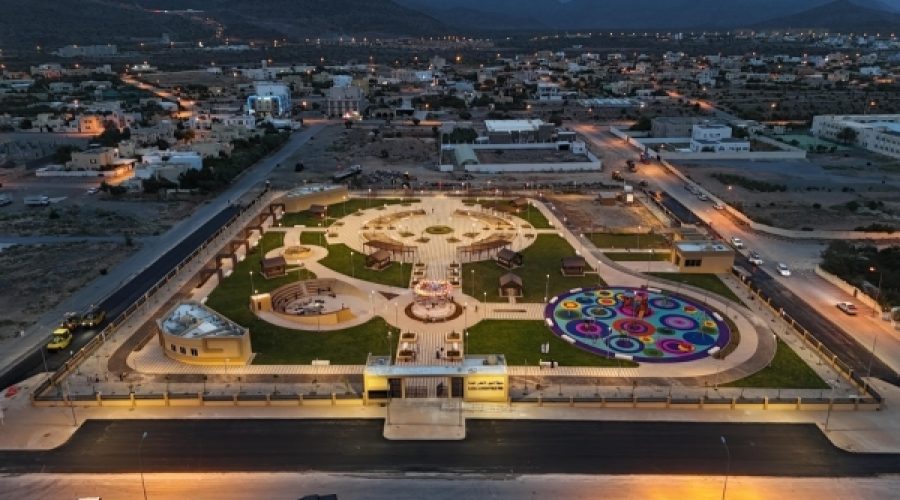
Several service and community projects have already been completed, such as Al Jabal Al Akhdar Park, which provides an urban recreational space that enhances residents’ quality of life. Another significant development is the Celebrations and Festivals Square—an integrated venue that offers an organized setting for events and seasonal activities. This facility also supports entrepreneurs and small to medium enterprises with comprehensive services, thereby driving tourism and economic activity in the wilayat.
The wali also noted several private-sector investments underway, particularly the establishment of an integrated commercial complex in the Hail Al Yemen area. This development features a three-star hotel, an educational garden, an entertainment centre, and a commercial market, all contributing to the diversification of tourism and leisure offerings for visitors.
Additional investment projects include an open-air 3D arena in Saih Qitnah, Da’an Al Basiteen Park, and the operational Saih Qitnah Park, which offers recreational facilities, a restaurant, and a mountain viewpoint—leveraging the wilayat’s unique natural landscape.
Among the major strategic projects is the Al Jabal Al Aali Tourism City, a landmark investment with an estimated cost of around RO1.2 billion. Spanning over 11.8 square kilometers at an altitude of approximately 2,400 meters, the project will feature more than 2,500 residential units to house around 10,000 people, alongside a hotel system with over 2,000 rooms. It will also include the region’s highest golf course, covering about 1.5 million square meters, and more than 10 architectural, cultural, and tourism landmarks.
The development emphasizes sustainability and the green economy by utilizing renewable energy and implementing low-emission smart mobility solutions. It is expected to generate substantial employment opportunities and stimulate the local economy. Furthermore, a cable car project linking Al Dakhiliyah Governorate with South Al Batinah Governorate is planned to enhance access to this key tourism destination.
The wali concluded by reaffirming Al Dakhiliyah Governorate’s commitment to projects that respect the unique mountain environment, deliver high added value, diversify income sources, and promote sustainable employment, especially within tourism sectors and small and medium enterprises. These efforts reinforce Al Jabal Al Akhdar’s status as a premier tourism and development destination in the Sultanate of Oman.
Special Analysis by Omanet | Navigate Oman’s Market
The comprehensive development and tourism projects in Al Jabal Al Akhdar, including major infrastructure upgrades and the ambitious Al Jabal al Aali Tourism City, signal significant opportunities for businesses in Oman’s tourism, hospitality, and SME sectors. Smart investors should consider the rising demand for sustainable and eco-friendly tourism, as these projects emphasize green economy principles and aim to diversify income sources while boosting local employment. However, ensuring environmental preservation amid rapid development will be critical to maintaining the region’s unique appeal and long-term economic viability.